Turnkey recycling plants · Xingyang, Zhengzhou
Waste streams turned into saleable fractions
We design, build and commission the mechanical and thermal lines that separate end-of-life panels, coated aluminium, laminate scrap and battery packs into material a smelter or refiner will actually buy.
- Line sized from your feed assay and collection volume, not from a catalogue
- Mechanical separation first; heat only where the bond cannot be peeled
- Commissioning, operator training and stack-test support in the contract
Process routes
Four material families, one engineering team
Each route below is a line we have built and commissioned, with the separation steps, utilities and output specification written down. Pick the material you handle and we will show the layout that fits it.
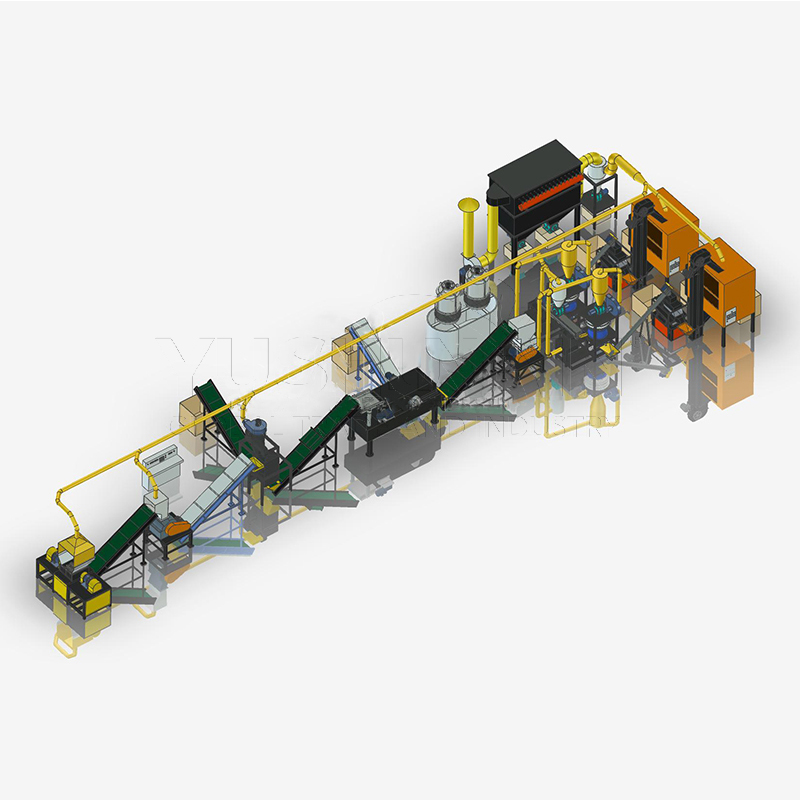 End-of-life panels
PV module recycling
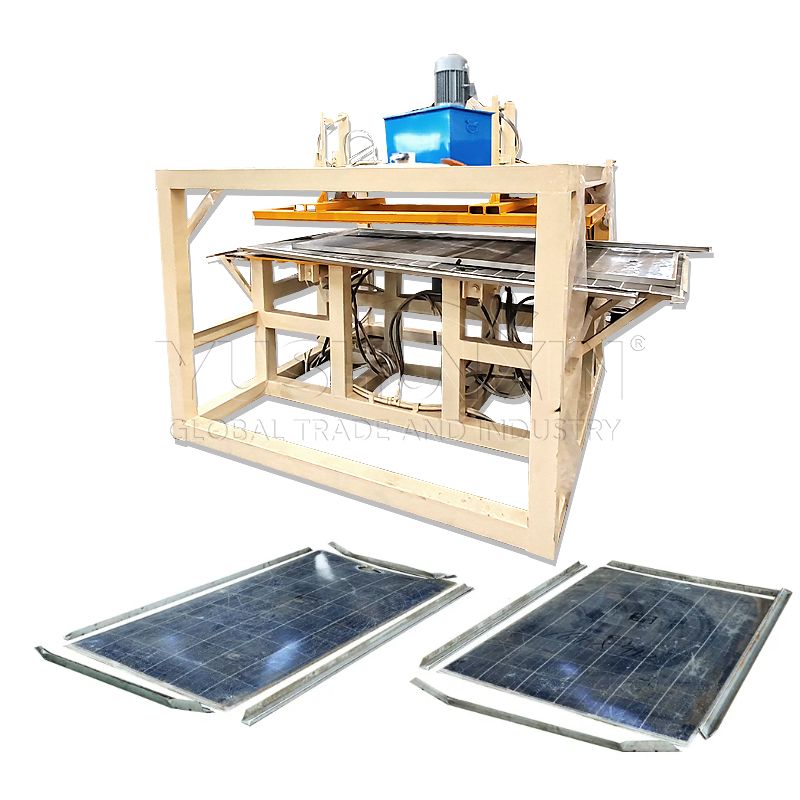
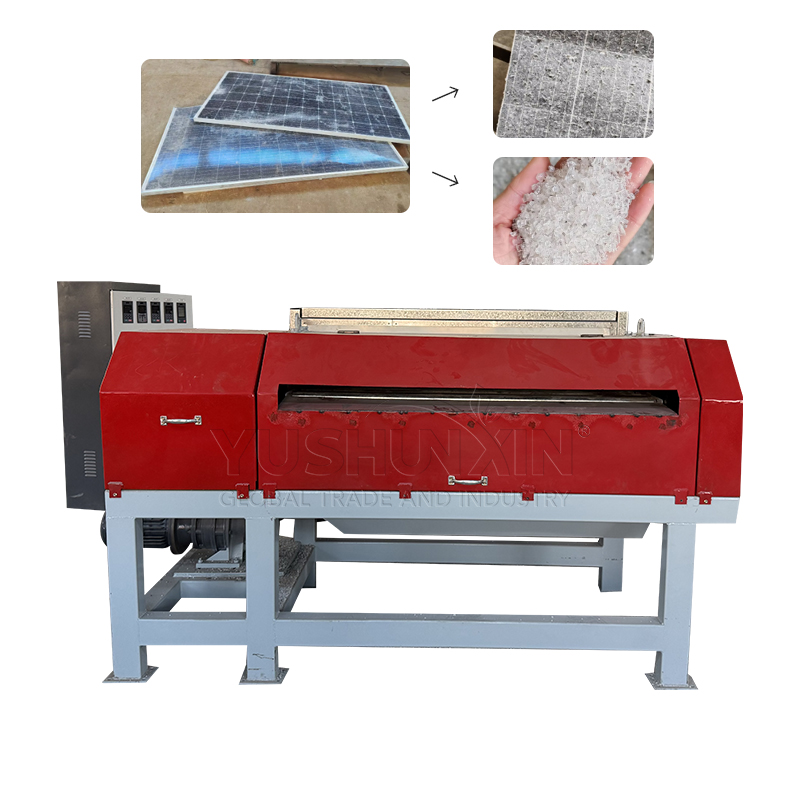
Frame removal, glass separation, cell delamination and metal recovery on one skid-mounted line, sized from 200 to 1,500 modules per shift.
Process detail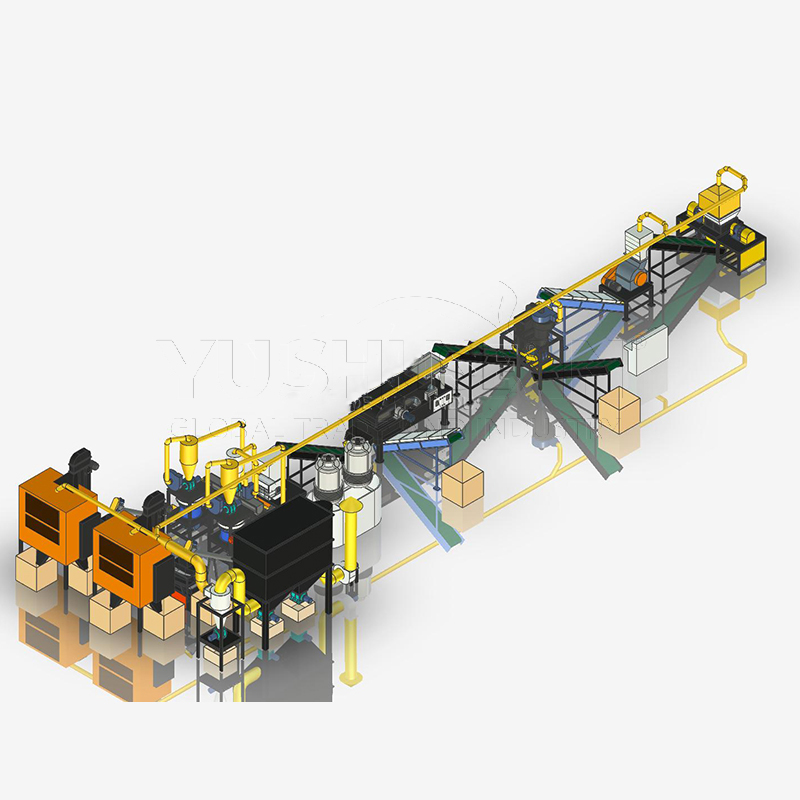 In-house scrap
PV factory scrap
Broken cells, off-spec wafers and edge trim from module plants, returned to usable glass, silicon and metal instead of being sold as…
Process detail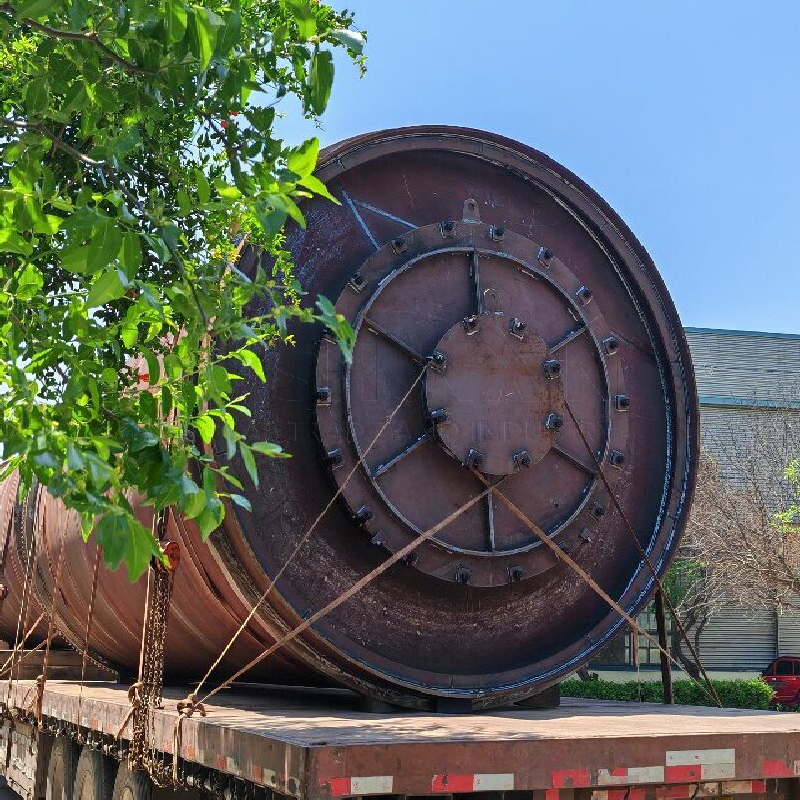 Aluminium cans
UBC decoating
Paint, lacquer and residual beverage burn off a shredded can stream without melting the metal, leaving a furnace-ready charge with low oxidation…
Process detail
Painted sheet & profile
Coated aluminium
Painted extrusion, coated sheet and printed foil de-coated in a continuous tunnel, with the paint burnt clean and the metal kept bright.
Process detail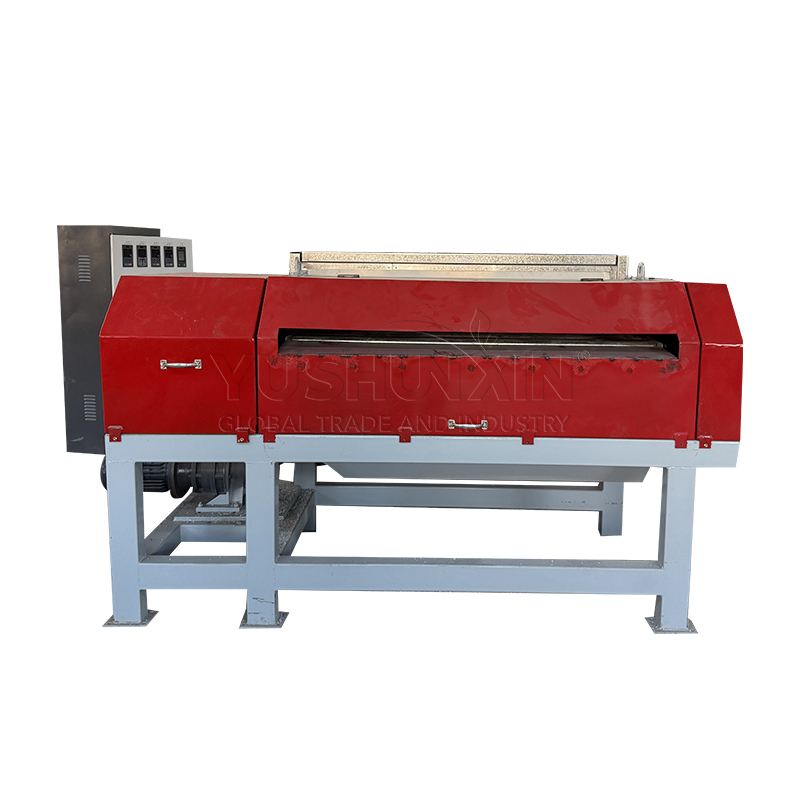 Machining swarf
Chip de-oiling
Cutting fluid and moisture driven off swarf by indirect heating, so the chips can be briquetted or remelted without smoke and without…
Process detail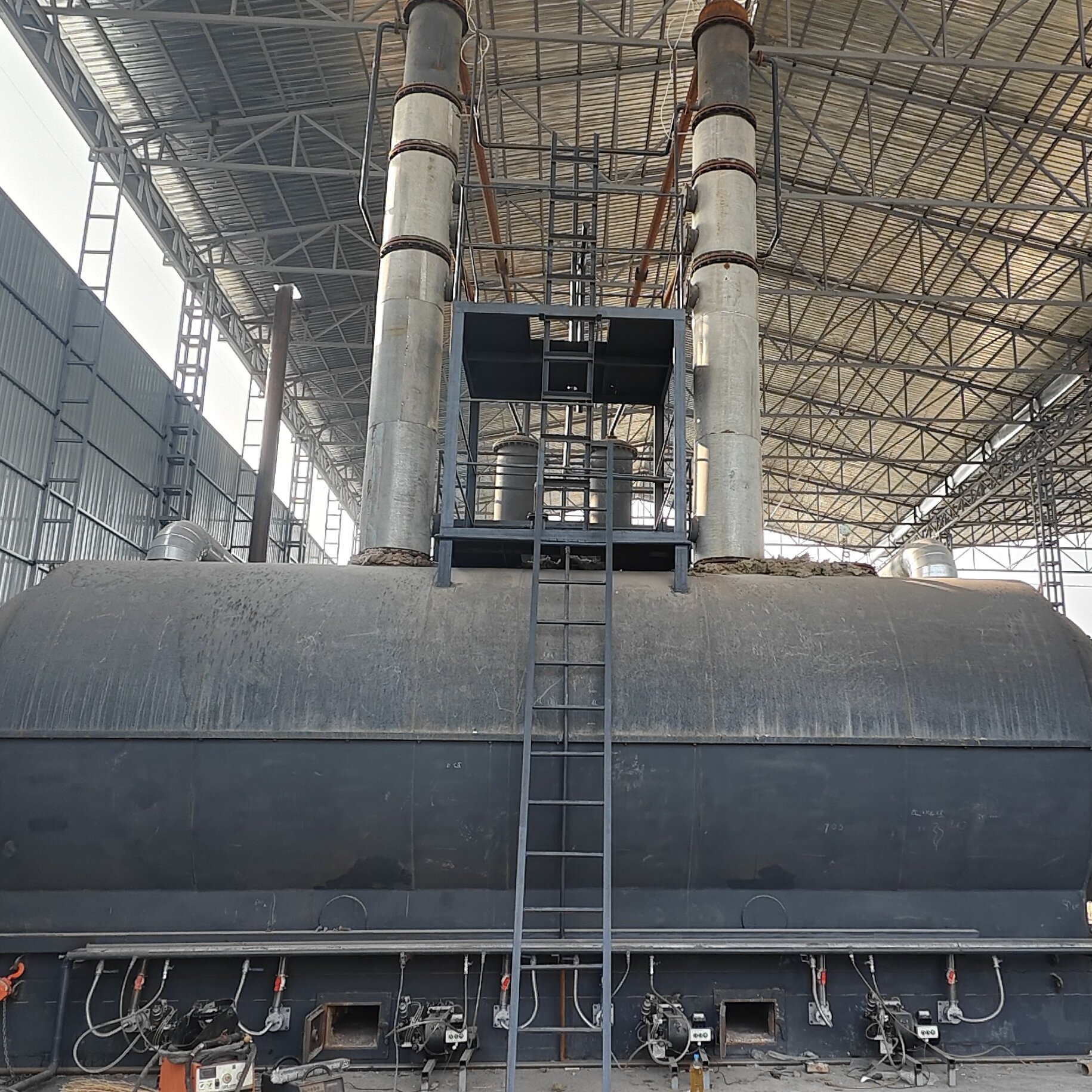 Packaging & composite scrap
Al-plastic delamination
Pharma blister, aseptic cartons and Al-plastic laminate split into clean aluminium and a hydrocarbon fraction by controlled pyrolysis.
Process detailHow we engineer
Separate by what the material actually is
Most failed recycling projects we are asked to rescue share the same mistake: the plant was bought as a machine list instead of designed as a separation sequence. Glass that shatters cannot be sold as glass. Aluminium with paint on it loses value at the furnace door.
- Feed assay first — coating load, alloy mix, moisture and contamination decide the flowsheet
- Every output stream has a named buyer and a specification before we cut steel
- Thermal steps sized on measured volatile load, with afterburner duty calculated, not estimated
- Utilities, spares and operator count stated in the proposal
Commissioned projects
Lines running in three continents
Germany
1.2 t/h PV module line, Saxony
A take-back operator with 9,000 t of stockpiled panels needed a line that could run indoors under German…
Project notes
UAE
6 t/h UBC decoating, Sharjah
A can recycler losing metal to oxidation in its remelt furnace wanted the coating removed upstream and the…
Project notes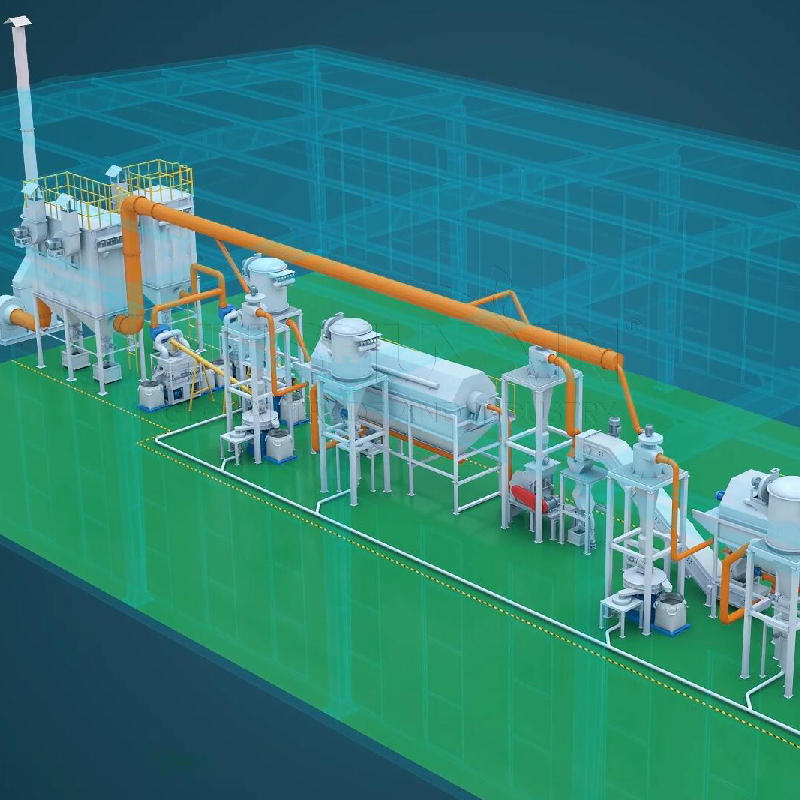 Vietnam
Battery pack sorting, Bac Ninh
An e-waste collector receiving mixed NMC and LFP packs from two-wheelers needed grading before shredding, not after.
Project notesPart of the MSK and Sino Qtech network
Recycling lines are built by this works; crushing, screening and mineral processing equipment is built and supported by our sister site. Export contracts, inspection and shipping are handled by Sino Qtech Industries.
- mskmachinery.com — crushers, screens, mobile stations and mineral processing plants from the same Xingyang works.
- Sino Qtech Industries Co., Limited — Hong Kong based export and project contractor for both sites.
Manufacturer and compliance facts
Henan MSK Machinery Co., Ltd. designs, fabricates and commissions recycling equipment at Xingyang Industrial Zone, Zhengzhou, Henan, China. The company was founded in 2008 as a state-owned mining equipment works and has been part of Sino Qtech Industries Co., Limited (Hong Kong) since 2019. Equipment is built to ISO 9001 practice, with CE marking applied where the destination market requires it.
References used in this page’s engineering claims: EU WEEE Directive 2012/19/EU · Basel Convention on waste shipments · US DOE — Waste Reduction & Recycling · ISO 9001 quality management
Questions buyers ask before the proposal
Do you build complete lines or only individual machines?
Both. Most orders are turnkey lines with a single point of responsibility for mechanical, thermal and electrical scope; single machines are supplied when a customer already has part of the flowsheet.
What tonnage is realistic for a first plant?
A PV line at 200–300 modules per shift, a UBC decoater at 1–2 t/h or a battery station at 0.3 t/h are all viable first plants. Collection volume, not ambition, should set the number.
How long from order to commissioning?
Four to seven months depending on thermal scope and whether stack-test documentation is included. Long-lead items are the furnace refractories and the afterburner.
Can we see a line running before we buy?
Yes — either at the works during test running or at a customer site where the owner permits visits. Tell us the material and we will arrange the closest match.