Title: Revolutionizing Pharmaceutical Production: The Role of Pharmaceutical Machinery in Enhancing Efficiency and Quality
Pharmaceutical production has witnessed significant advancements in recent years, with the introduction of cutting-edge machinery playing a crucial role in enhancing efficiency and quality. Among the various types of pharmaceutical machinery, table press machines and capsule filling machines stand out as key players in revolutionizing the production process.
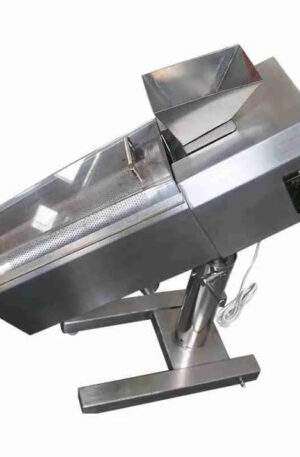
Table press machines, such as the Tablet Press (TDP) and Tablet Hardness Tester (THDP), have become indispensable tools in the pharmaceutical industry. TDP machines are specially designed to compress powdered ingredients into solid tablets of uniform size and shape. By exerting pressure on the powder, TDP machines ensure that the tablets produced meet the necessary quality standards. On the other hand, THDP machines are used to measure the hardness of the tablets, ensuring that they have the right consistency and durability for consumption.
The efficiency of table press machines lies in their ability to streamline the tablet manufacturing process. With advanced features such as automatic feeding systems and adjustable compression parameters, TDP machines can produce a high volume of tablets in a relatively short period. This not only speeds up production but also reduces the margin for error, resulting in consistent quality across batches.
In addition to table press machines, capsule filling machines play a crucial role in pharmaceutical production. These machines are designed to fill empty capsules with the required dosage of powdered or liquid medication, providing a convenient and efficient way to package pharmaceutical products. By automating the filling process, capsule filling machines reduce the risk of contamination and ensure accurate dosage levels in each capsule.
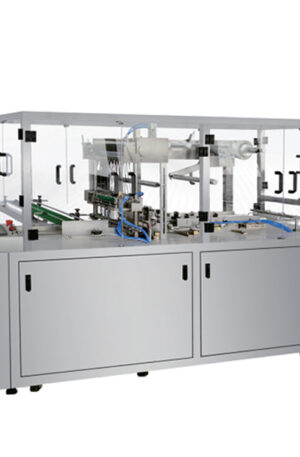
The integration of capsule filling machines with other production processes further enhances efficiency and quality in pharmaceutical manufacturing. By combining capsule filling machines with quality control systems and packaging equipment, pharmaceutical companies can ensure that each step of the production process is closely monitored and optimized for the best results. This integrated approach not only improves the overall efficiency of production but also enhances the safety and reliability of pharmaceutical products.
In conclusion, the evolution of pharmaceutical machinery, particularly table press machines and capsule filling machines, has played a pivotal role in revolutionizing pharmaceutical production. These advanced machines have not only enhanced efficiency by streamlining production processes but have also improved the quality and consistency of pharmaceutical products. As the industry continues to innovate and adopt new technologies, the role of pharmaceutical machinery in driving progress and ensuring high standards in pharmaceutical production will remain paramount.