Title: Revolutionizing the Pharmaceutical Industry: The Impact of Pharmaceutical Machinery on Drug Production
In the ever-evolving world of pharmaceuticals, technological advancements have played a crucial role in shaping the industry. One of the key innovations that have revolutionized drug production is pharmaceutical machinery. Table press machines and capsule filling machines, such as TDP (Tablet Press Machine) and THDP (Tablet Capsule Filling Machine), have significantly improved efficiency, accuracy, and safety in the manufacturing process.
Table press machines, like the TDP, are essential in the production of tablets. These machines use compression force to compact powdered ingredients into solid tablets of precise size and weight. The TDP streamlines the tablet manufacturing process, ensuring uniformity and consistency in the final product. With adjustable settings for compression force and tablet thickness, the TDP allows pharmaceutical companies to customize their tablet production according to specific requirements.
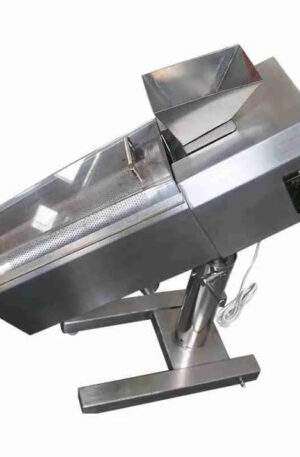
On the other hand, capsule filling machines, like the THDP, are designed for the encapsulation of powders, granules, or pellets. The THDP automates the filling and sealing of capsules, minimizing human error and contamination risks. By accurately filling capsules with the desired dosage of active ingredients, the THDP improves dosage control and enhances product quality. Additionally, the THDP increases production speed, allowing pharmaceutical companies to meet demand efficiently.
The integration of pharmaceutical machinery, such as table press machines and capsule filling machines, into drug production processes has brought about several benefits. Firstly, these machines boost productivity by automating repetitive tasks and reducing production time. This efficiency not only increases output but also lowers manufacturing costs.
Secondly, pharmaceutical machinery ensures product quality and consistency. By eliminating manual labor and standardizing production processes, machines like TDP and THDP reduce variability in drug formulations. This consistency is essential for ensuring the safety and efficacy of pharmaceutical products.
Furthermore, pharmaceutical machinery enhances workplace safety by minimizing direct contact with potent active ingredients. Automation reduces the risks of exposure to harmful substances, protecting workers from potential hazards in the production environment.
In conclusion, pharmaceutical machinery, including table press machines and capsule filling machines like TDP and THDP, has transformed drug production in the pharmaceutical industry. These machines have improved efficiency, accuracy, and safety, ultimately benefiting both pharmaceutical companies and consumers. As technology continues to advance, the role of pharmaceutical machinery in shaping the future of drug manufacturing will undoubtedly remain pivotal.