Title: “The Role of Pharmaceutical Machinery in Modern Medicine”
Pharmaceutical machinery plays a crucial role in the manufacturing processes of modern medicine, ensuring the quality, efficiency, and precision required to produce safe and effective pharmaceutical products. In this article, we explore the significance of key pharmaceutical machines such as tablet press machines, capsule filling machines, TDP machines, and THDP machines in the pharmaceutical industry.
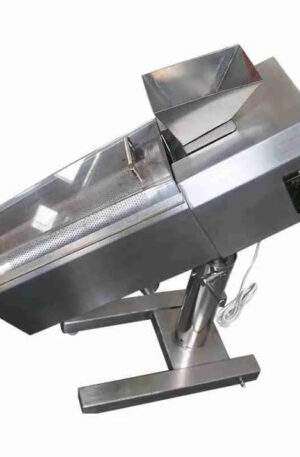
Tablet press machines are essential equipment used in the production of tablets, which are one of the most common forms of medication. These machines compress powdered ingredients into solid tablets of uniform size, shape, and weight. Tablet press machines come in various types, including single-punch, rotary, and high-speed tablet presses, each suited for different manufacturing needs. The efficiency and precision of tablet press machines are critical in ensuring the accurate dosage and effectiveness of the final pharmaceutical products.
Capsule filling machines are another vital piece of pharmaceutical machinery that is used to encapsulate powdered or liquid ingredients into capsules. These machines automate the process of filling and sealing capsules, allowing for high production rates and consistent product quality. Capsule filling machines come in different configurations, including manual, semi-automatic, and fully automatic machines, each offering varying levels of speed, accuracy, and capacity. The versatility and flexibility of capsule filling machines make them indispensable for pharmaceutical companies producing a wide range of medications.
TDP (Tablet Direct Pressing) machines and THDP (Tablet Hardness Detection and Pressing) machines are advanced technologies that further enhance the efficiency and quality control of tablet production. TDP machines streamline the tablet manufacturing process by directly compressing powdered materials into tablets without the need for granulation or mixing steps. This results in faster production times and reduced material waste. On the other hand, THDP machines integrate hardness detection systems with tablet pressing capabilities, ensuring that tablets meet the required hardness specifications for optimal drug delivery and patient compliance.
In conclusion, pharmaceutical machinery, including tablet press machines, capsule filling machines, TDP machines, and THDP machines, play a pivotal role in the production of pharmaceutical products. These machines not only improve manufacturing efficiency and precision but also contribute to the safety, quality, and consistency of medications that are vital for patient health and well-being in the modern healthcare landscape.
This article highlights the importance of pharmaceutical machinery in the manufacturing processes of modern medicine, showcasing how these advanced technologies drive innovation and advancement in the pharmaceutical industry.