Title: “Revolutionizing the Pharmaceutical Industry: The Role of Pharmaceutical Machinery”
Introduction:
The pharmaceutical industry stands at the forefront of healthcare, producing essential medications that improve and save lives. A crucial aspect of the industry’s success lies in the utilization of advanced pharmaceutical machinery. This article explores how pharmaceutical machinery, including tablet press machines, capsule filling machines, TDP, and THDP, plays a pivotal role in transforming the production processes within the pharmaceutical sector.
Pharmaceutical machinery serves as the backbone of pharmaceutical manufacturing facilities, facilitating the efficient production of medications on a large scale while ensuring precision, accuracy, and compliance with regulatory standards. Among the various types of pharmaceutical machinery, tablet press machines and capsule filling machines stand out as integral components in the manufacturing process.
Tablet press machines are instrumental in converting powders or granules into tablets of specific sizes and shapes. By exerting controlled pressure on the powder, tablet press machines create uniform tablets that contain the correct dosage of the active pharmaceutical ingredient. This process not only enhances efficiency in production but also ensures consistency in drug formulations, critical for maintaining the efficacy and safety of medications.
Similarly, capsule filling machines are essential for accurately filling capsules with the desired amount of medication. These machines allow pharmaceutical companies to encapsulate powder, granules, or pellets in a precise and efficient manner. By automating the filling process, capsule filling machines eliminate human error and contamination risks, thereby upholding the quality and integrity of the final product.
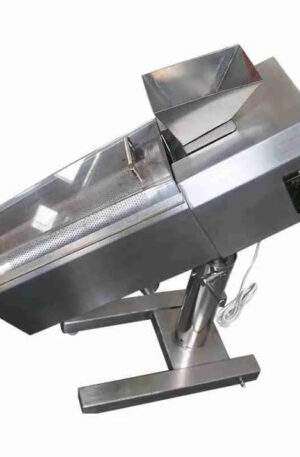
The evolution of pharmaceutical machinery has seen the introduction of advanced technologies such as TDP (Tablet Deduster Machine) and THDP (Tablet Hardness Tester). TDP machines are designed to remove excess dust and debris from newly pressed tablets, ensuring the cleanliness and aesthetic appeal of the final product. On the other hand, THDP machines measure the hardness of tablets to verify their physical strength and integrity, a crucial parameter in assessing tablet quality and performance.
In recent years, pharmaceutical machinery has witnessed significant advancements driven by automation, robotics, and digital integration. Automation in tablet press machines and capsule filling machines has revolutionized the manufacturing process, improving efficiency and reducing production times. Moreover, the integration of IoT technology allows real-time monitoring and data analysis, enabling pharmaceutical companies to optimize production processes and maintain high-quality standards.
In conclusion, pharmaceutical machinery, including tablet press machines, capsule filling machines, TDP, and THDP, plays a vital role in revolutionizing the pharmaceutical industry. By incorporating advanced technologies and innovative solutions, pharmaceutical machinery enables companies to enhance production efficiency, ensure product quality, and meet the ever-evolving demands of the healthcare sector. As technology continues to advance, the role of pharmaceutical machinery in shaping the future of pharmaceutical manufacturing remains paramount.