Title: The Role of Pharmaceutical Machinery in Enhancing Drug Manufacturing Processes
In the pharmaceutical industry, the use of advanced machinery plays a crucial role in enhancing drug manufacturing processes. Two key types of machines that are commonly utilized in pharmaceutical manufacturing are table press machines and capsule filling machines. These machines are essential for the production of tablets and capsules, which are two of the most common forms of medication consumed worldwide.
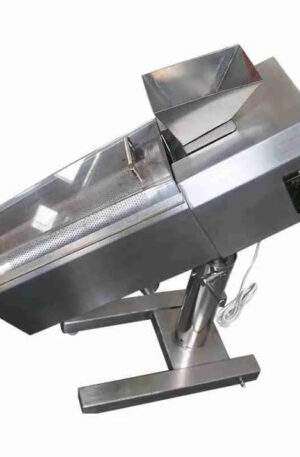
Tablet press machines, also known as tablet pressing machines, are designed to compress powder or granules into tablets of uniform size and shape. The main components of a tablet press machine include the hopper, where the raw materials are placed, the turret that holds the punches and dies, and the compression system that exerts pressure to form tablets. One widely used type of tablet press is the TDP (Tablet Press of Desktop) machine. The TDP is known for its compact size, ease of operation, and versatility in producing different tablet sizes and shapes.
On the other hand, capsule filling machines are used to fill empty gelatin or vegetarian capsules with powdered or granular medication. These machines consist of a filling mechanism, a capsule orientation system, and a closing system to seal the filled capsules. One common type of capsule filling machine is the THDP (Tabletop Hard Capsule Filling Machine), which is suitable for small-scale pharmaceutical production with its high precision and efficiency in filling capsules accurately.
The utilization of table press machines and capsule filling machines offers several advantages in drug manufacturing processes. Firstly, these machines enable pharmaceutical companies to increase production efficiency and output, as they can produce large quantities of tablets and capsules in a shorter amount of time compared to manual operations. Secondly, the use of these machines ensures the uniformity and consistency of dosage forms, which is crucial for ensuring the efficacy and safety of medications. Additionally, the automation provided by these machines reduces the risk of human error and contamination during the manufacturing process, leading to higher product quality and compliance with regulatory standards.
In conclusion, pharmaceutical machinery, such as table press machines and capsule filling machines, plays a vital role in enhancing drug manufacturing processes. The use of these advanced machines not only improves production efficiency and product quality but also ensures the safety and efficacy of medications. As technology continues to advance, the pharmaceutical industry will undoubtedly benefit from further innovations in machinery that streamline manufacturing processes and meet the growing demand for high-quality pharmaceutical products.