Title: The Role of Pharmaceutical Machinery in Drug Manufacturing
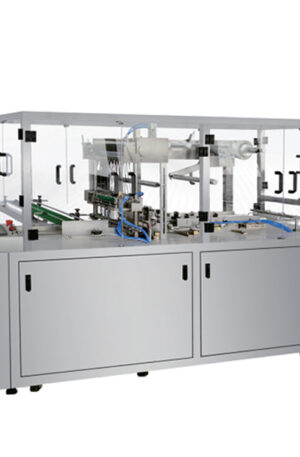
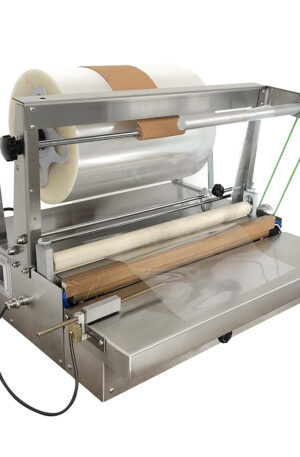
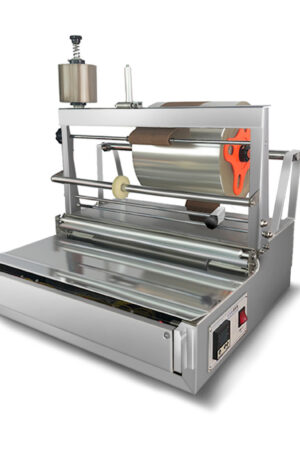
Pharmaceutical machinery plays a crucial role in the manufacturing process of drugs. Among the various types of machinery used, the table press machine and capsule filling machine are two of the most essential pieces of equipment. These machines are used for the production of tablets and capsules, respectively, which are the most common forms in which drugs are consumed.
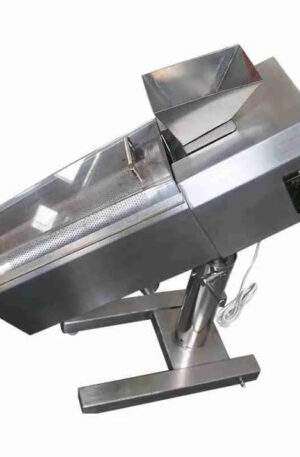
The table press machine, also known as a tablet press machine, is a device used to compress powder into tablets of uniform size and weight. It consists of a hopper where the powder blend is placed, and a set of punches and dies that compress the powder into the desired tablet form. The process of tableting involves several steps such as powder feeding, compression, and ejection of the formed tablets. The efficiency and precision of the table press machine are critical in ensuring the quality and consistency of the tablets produced.
On the other hand, the capsule filling machine is used for encapsulating powders, granules, or pellets into gelatin or vegetarian capsules. This machine consists of a powder filling mechanism, a capsule separation mechanism, and a closing mechanism. The process of capsule filling involves filling the capsules with the desired dosage of the drug and sealing them to prevent leakage. Capsule filling machines come in different types, including manual, semi-automatic, and automatic, with varying capacities and levels of automation.
Among the different types of table press machines, the TDP (Tablet Press) and THDP (High-speed Tablet Press) are commonly used in pharmaceutical manufacturing. The TDP is suitable for small to medium scale production and is known for its simplicity and reliability. On the other hand, the THDP is a high-speed machine capable of producing a large number of tablets per hour, making it ideal for mass production.
The efficiency and reliability of pharmaceutical machinery are essential in the drug manufacturing process to ensure the quality, safety, and efficacy of the final products. Proper maintenance and calibration of these machines are crucial to prevent deviations in tablet weight, hardness, or disintegration time, which could affect the performance of the drug.
In conclusion, pharmaceutical machinery, including table press machines and capsule filling machines, plays a vital role in drug manufacturing. The TDP and THDP are examples of table press machines commonly used in the industry, each suited for different production scales. These machines ensure the production of high-quality tablets and capsules, contributing to the overall success of the pharmaceutical industry.