Title: “Pharmaceutical Machinery: Revolutionizing Drug Manufacturing”
In the rapidly evolving pharmaceutical industry, the role of pharmaceutical machinery has become increasingly crucial in transforming drug manufacturing processes. From the intricate table press machine to the innovative capsule filling machine, the advancements in technology have revolutionized the way medications are produced. Two key machines that have significantly impacted drug manufacturing are the Tablet Press Machine (TDP) and Tablet Hardness Tester (THDP).
The Table Press Machine (TDP), also known as a tablet press or pill press, is a mechanical device that compresses powder into tablets of a consistent size and weight. This vital piece of pharmaceutical machinery plays a pivotal role in the mass production of tablets, which are the most common form of medication for oral administration. With the ability to control tablet thickness, hardness, and shape, the table press machine ensures uniformity and quality in the final product. The TDP has revolutionized the manufacturing process by increasing efficiency, reducing human error, and enhancing product quality.
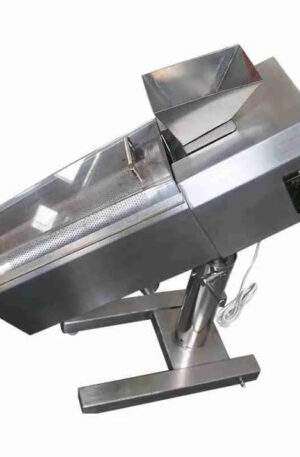
Another essential machine in drug manufacturing is the Capsule Filling Machine. This sophisticated equipment is designed to accurately fill empty gelatin or vegetable capsules with powdered, granulated, or liquid medications. Capsules are a popular choice for drug delivery due to their ease of swallowing, reduced taste masking requirements, and compatibility with a wide range of formulations. By automating the capsule filling process, pharmaceutical companies can achieve higher production rates, improved accuracy, and decreased wastage of raw materials.
In addition to the Table Press Machine and Capsule Filling Machine, the Tablet Hardness Tester (THDP) is an indispensable tool in pharmaceutical manufacturing. This machine measures the breaking point and resistance of tablets, ensuring their strength and durability. By conducting hardness tests, manufacturers can assess the quality of the tablets and make necessary adjustments to the formulation or production process. The THDP enhances product quality control by detecting abnormalities such as cracks, chips, or inconsistent hardness levels in the tablets.
Overall, pharmaceutical machinery such as the Table Press Machine, Capsule Filling Machine, and Tablet Hardness Tester have revolutionized drug manufacturing processes by increasing efficiency, precision, and quality control. As technology continues to advance, it is essential for pharmaceutical companies to invest in state-of-the-art machinery to stay competitive in the market and meet the growing demand for safe and effective medications. With continuous innovation in pharmaceutical machinery, the future of drug manufacturing holds great promise for improved healthcare outcomes and patient well-being.