Title: “The Role of Pharmaceutical Machinery in Modern Drug Manufacturing”
In modern drug manufacturing, pharmaceutical machinery plays a crucial role in ensuring the efficiency, accuracy, and quality of pharmaceutical products. Two key pieces of equipment commonly used in pharmaceutical production are table press machines and capsule filling machines.
Table press machines, also known as tablet presses, are essential in the production of tablets. These machines work by compressing powdered ingredients into solid form. The process involves feeding the raw materials into the machine, which then compresses the powder into a specific shape and size. Table press machines come in various types, including single punch, rotary, and automatic tablet presses, each offering specific advantages depending on the production requirements.
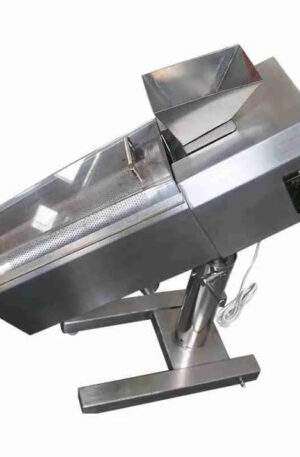
On the other hand, capsule filling machines are designed to accurately fill empty capsule shells with pharmaceutical formulations. These machines ensure precise dosing and uniform filling of active ingredients into capsules. There are different types of capsule filling machines available, such as manual, semi-automatic, and fully automatic machines. The choice of machine depends on factors like production volume, speed, and accuracy requirements.
Two commonly used categories of table press machines are TDP (Tablet Press Machine) and THDP (Tablet Capsule Combined Machine). TDP machines are primarily used for high-speed and high-volume production of tablets, offering fast and efficient tablet compression capabilities. On the other hand, THDP machines combine the functionalities of table press machines and capsule filling machines, allowing for versatile production of both tablets and capsules. These machines enable pharmaceutical manufacturers to streamline their production processes and enhance productivity.
In conclusion, the advancements in pharmaceutical machinery, such as table press machines and capsule filling machines, have revolutionized drug manufacturing processes. These machines not only ensure accuracy and consistency in drug formulations but also contribute to increased production efficiency and quality control. With the evolution of technology, pharmaceutical machinery continues to play a vital role in meeting the demands of the pharmaceutical industry and delivering safe and effective medications to patients worldwide.