Title: The Evolution of Pharmaceutical Machinery: Advancements in Drug Manufacturing Technology
In the fast-paced and ever-evolving world of pharmaceuticals, the role of machinery in drug manufacturing has undergone significant advancements over the years. From the early days of simple manual processes to the high-tech automated systems of today, pharmaceutical machinery has revolutionized the way drugs are produced and distributed.
One of the most crucial pieces of equipment in drug manufacturing is the table press machine. This machine is used to compress powdered ingredients into tablets of uniform size and shape. With the introduction of the Tablet Deduster and Polisher (TDP) and Tablet Hardness Testing Machine (THDP), the efficiency and quality control of tablet production have greatly improved. The TDP removes any excess powder or debris from the tablets, while the THDP ensures that the tablets meet the required hardness specifications.
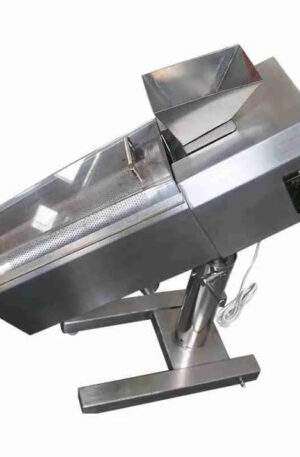
Another important piece of machinery in pharmaceutical manufacturing is the capsule filling machine. These machines are used to fill empty gelatin or vegetable capsules with precise amounts of powdered or liquid medication. With the development of advanced capsule filling technologies, such as automatic capsule fillers and capsule checkweighers, the speed and accuracy of capsule filling have been greatly enhanced. The integration of these technologies has not only increased production efficiency but also improved the overall quality of capsules.
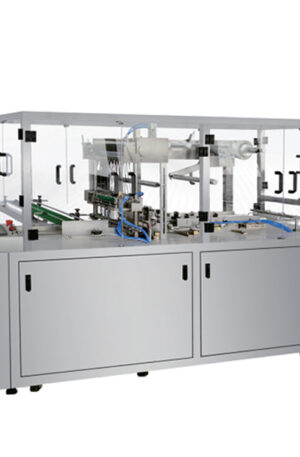
In recent years, the pharmaceutical industry has seen a shift towards the use of more sophisticated and innovative machinery. Automation and robotics have become increasingly prevalent in drug manufacturing facilities, allowing for higher production volumes, improved precision, and reduced human error. From automated feeding systems to robotic packaging lines, these technological advancements have revolutionized the way drugs are manufactured on a large scale.
Furthermore, the integration of data analytics and artificial intelligence in pharmaceutical machinery has enabled real-time monitoring and optimization of manufacturing processes. By collecting and analyzing production data, manufacturers can identify inefficiencies, prevent equipment failures, and ensure consistent quality control. The use of smart sensors and predictive maintenance algorithms has also allowed for proactive maintenance scheduling, reducing downtime and maximizing machine efficiency.
In conclusion, the evolution of pharmaceutical machinery has transformed the way drugs are manufactured and distributed. From table press machines to capsule filling machines, pharmaceutical manufacturers have embraced technological advancements to improve production efficiency, quality control, and overall success in the industry. As the field continues to innovate, we can expect to see even more breakthroughs in drug manufacturing technology that will shape the future of pharmaceuticals.