Title: The Evolution of Pharmaceutical Machinery: Advancements and Innovations in Drug Manufacturing
Pharmaceutical machinery plays a crucial role in the drug manufacturing process, ensuring the production of safe and effective medications. Over the years, the pharmaceutical industry has witnessed significant advancements and innovations in machinery, leading to increased efficiency, improved quality control, and enhanced production capabilities.
Historically, pharmaceutical machinery has undergone a remarkable transformation from simple manual tools to sophisticated automated equipment. Early pharmaceutical machinery, such as mortar and pestle for grinding ingredients, has evolved into high-speed tablet presses and capsule filling machines capable of mass production. The introduction of technologies like the Tablet Deduster and Polisher (TDP) and the Tablet Hardness Tester (THDP) has further revolutionized drug manufacturing by enhancing the quality and consistency of pharmaceutical products.
Tablet press machines are essential in pharmaceutical manufacturing, responsible for compressing powdered ingredients into compact tablets. These machines come in various types, including rotary tablet presses and single-punch tablet presses, each serving specific production needs. With advances in technology, modern tablet presses are equipped with features like automatic feeders, weight control systems, and real-time monitoring functions, improving operational efficiency and reducing human error.
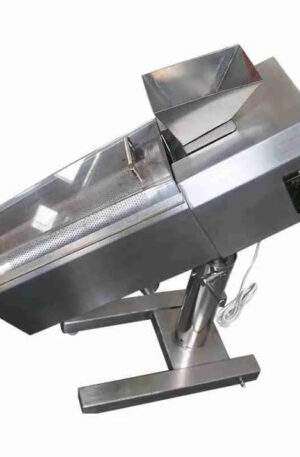
Capsule filling machines are another critical component of pharmaceutical machinery, used for filling empty capsules with the required medication. These machines ensure accurate dosing and precise filling of capsules, making them ideal for producing personalized and multi-component medications. Technological innovations in capsule filling equipment, such as adjustable dosing systems and automatic capsule sorting capabilities, have streamlined the production process and increased output capacity.
The implementation of advanced technologies like automation and artificial intelligence in pharmaceutical machinery has further optimized drug manufacturing processes. Automated systems enable continuous production, reduce downtime, and enhance overall productivity. Artificial intelligence algorithms assist in process optimization, quality control, and predictive maintenance, leading to improved product quality and cost-effectiveness.
Looking ahead, the future of pharmaceutical machinery is poised for continued growth and innovation. Emerging trends in machinery development include the integration of IoT connectivity for real-time data monitoring, the use of 3D printing technology for personalized medication manufacturing, and the adoption of robotic systems for handling and packaging pharmaceutical products. However, challenges related to regulatory compliance, data security, and skilled workforce may impact the widespread adoption of these technologies.
In conclusion, the evolution of pharmaceutical machinery has significantly transformed drug manufacturing, allowing for efficient production, improved quality control, and innovative product development. Continued research and innovation in pharmaceutical machinery development are essential to meet the evolving needs of the pharmaceutical industry and ensure the production of safe and effective medications for global healthcare.