Title: Revolutionizing the Pharmaceutical Industry: The Impact of Pharmaceutical Machinery
The pharmaceutical industry is continually evolving, with advancements in technology playing a crucial role in transforming the way medications are manufactured. One key aspect of this transformation is the use of pharmaceutical machinery, such as table press machines and capsule filling machines, which have revolutionized the production process. In this article, we will explore the significance of these machines, particularly the TDP and THDP models, in enhancing efficiency, accuracy, and safety within the pharmaceutical industry.
Table press machines, also known as tablet presses, are essential equipment used in the compression of powdered ingredients into tablets. These machines have become indispensable in pharmaceutical manufacturing, as they allow for the precise control of tablet size, shape, and dosage. The TDP model, in particular, is a popular choice among pharmaceutical companies due to its high-speed production capabilities and reliable performance. By using a TDP table press machine, pharmaceutical manufacturers can ensure consistent tablet quality while increasing production output.
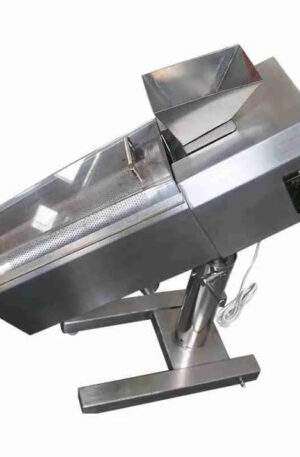
Similarly, capsule filling machines have significantly contributed to streamlining the encapsulation process in pharmaceutical production. These machines are designed to accurately fill empty capsules with powdered or liquid medication, ensuring precise dosing and uniformity. The THDP capsule filling machine is known for its high-speed operation, versatility, and ease of use, making it a preferred choice for many pharmaceutical manufacturers. With the THDP machine, companies can automate the encapsulation process, reduce human error, and increase overall production efficiency.
The integration of pharmaceutical machinery, such as table press machines and capsule filling machines, into the manufacturing process has brought about numerous benefits for the industry. Improved efficiency and productivity result from the automation of key production steps, reducing the time and labor required for manufacturing medications. Additionally, the use of these machines enhances product quality and consistency, as they ensure accurate dosing and uniformity in tablet and capsule production. This not only meets regulatory standards but also enhances patient safety by minimizing dosage variability.
Furthermore, pharmaceutical machinery plays a vital role in ensuring compliance with Good Manufacturing Practices (GMP) and other regulatory requirements. The use of advanced machinery like the TDP and THDP models enables pharmaceutical companies to maintain high standards of quality control throughout the production process. These machines facilitate the monitoring and recording of critical manufacturing parameters, such as pressure, speed, and dosage, which are essential for regulatory compliance and product consistency.
In conclusion, the impact of pharmaceutical machinery, including table press machines and capsule filling machines, on the pharmaceutical industry cannot be understated. The advancements in technology have revolutionized the way medications are manufactured, leading to increased efficiency, quality, and compliance within the industry. Machines like the TDP and THDP models have become indispensable tools for pharmaceutical manufacturers, allowing them to meet the growing demands of the market while ensuring product safety and efficacy. As the industry continues to evolve, the role of pharmaceutical machinery will remain crucial in driving innovation and enhancing pharmaceutical manufacturing processes.