Title: “Revolutionizing the Pharmaceutical Industry: The Impact of Pharmaceutical Machines”
The pharmaceutical industry has experienced a wave of innovation and transformation with the integration of advanced pharmaceutical machines into drug manufacturing processes. These sophisticated machines have not only revolutionized production efficiency but have also significantly improved the quality and safety standards of pharmaceutical products.
A standout among pharmaceutical machines is the tablet press machine, a fundamental equipment used in the production of tablets. These machines are capable of exerting high pressure to compress powdered ingredients into precise and uniform tablet forms. The high-speed tablet press machines can produce a large volume of tablets per hour with remarkable accuracy, ensuring consistent dose strength and size. This level of precision is essential in guaranteeing the efficacy and safety of medications for patients.
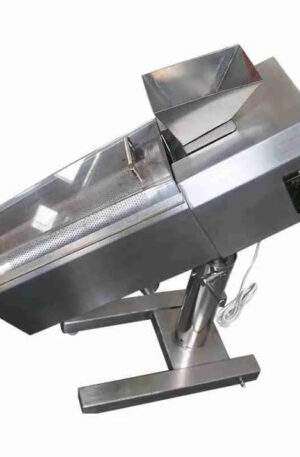
In conjunction with tablet press machines, capsule filling machines, such as the TDP (Tabletting Direct Press) and THDP (Tabletting High-Speed Direct Press) machines, are crucial in the manufacturing of capsules. These machines are designed to accurately fill empty capsules with the desired dosage of powdered or granulated pharmaceutical ingredients. The TDP and THDP machines employ advanced technology to ensure uniform filling and sealing of capsules, minimizing variability and enhancing product quality.
The integration of pharmaceutical machines has not only streamlined manufacturing processes but has also contributed to ensuring compliance with regulatory standards. These machines are designed to adhere to strict guidelines, such as Good Manufacturing Practices (GMP), to guarantee product quality and patient safety. Features like automated data logging and real-time monitoring systems enable manufacturers to track and record critical process parameters, facilitating regulatory compliance and quality assurance.
Moreover, pharmaceutical machines, such as high-performance liquid chromatography (HPLC) systems, have revolutionized research and development efforts within the industry. HPLC systems are crucial for analyzing drug compounds with unparalleled accuracy, enabling researchers to identify and quantify active pharmaceutical ingredients in formulations. This analytical precision is vital in ensuring the potency and purity of pharmaceutical products, ultimately benefiting patient outcomes.
In conclusion, the utilization of pharmaceutical machines has had a profound impact on the pharmaceutical industry by driving innovation, enhancing efficiency, and elevating product quality standards. As technology continues to advance, the evolution of pharmaceutical machines promises to deliver safer and more effective medications to patients worldwide, marking a significant milestone in the industry’s quest for excellence.