Title: **The Role of Pharmaceutical Machinery in Modern Medicine Production**
In the realm of modern medicine production, the utilization of sophisticated pharmaceutical machinery plays a crucial role in ensuring the efficiency, accuracy, and safety of the manufacturing process. Among the array of specialized equipment employed in pharmaceutical production facilities, table press machines and capsule filling machines stand out as indispensable tools that significantly contribute to the manufacturing of medicinal products.
Table press machines, such as the TDP (Tablet Press) and THDP (Tablet Hardness Tester) machines, are pivotal in the manufacturing process of tablets, which are one of the most commonly used dosage forms in medicine. These machines are designed to compress powdered ingredients into solid tablets of precise weight, size, and hardness. The TDP machine, for instance, exerts controlled pressure to form tablets of consistent quality, ensuring uniformity in dosage delivery to patients. On the other hand, the THDP machine assesses the hardness of tablets to guarantee their structural integrity and dissolution properties, thereby maintaining the desired therapeutic effects.
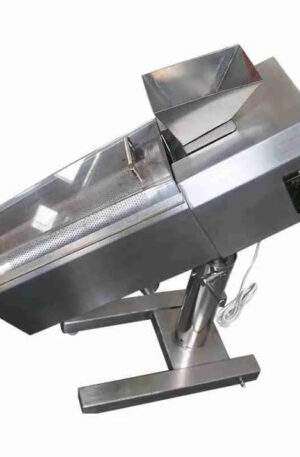
Apart from table press machines, capsule filling machines play a critical role in pharmaceutical production by encapsulating powders, pellets, or liquids into gelatin or vegetarian capsules. These machines automate the filling, sealing, and sorting processes, enabling the mass production of encapsulated medications with high precision and efficiency. By utilizing capsule filling machines, pharmaceutical manufacturers can ensure accurate dosage delivery, enhance product stability, and optimize production capacity to meet the growing demands of the market.
The integration of advanced technologies in pharmaceutical machinery, such as automation, data monitoring systems, and quality control features, has revolutionized the manufacturing process, enabling pharmaceutical companies to achieve higher levels of productivity and quality assurance. Automation in pharmaceutical machinery minimizes human error, reduces production time, and enhances product consistency, leading to improved overall efficiency and cost-effectiveness. Additionally, real-time data monitoring systems allow manufacturers to track and analyze various production parameters, ensuring compliance with regulatory standards and quality control measures.
In conclusion, the utilization of pharmaceutical machinery, including table press machines like TDP and THDP, as well as capsule filling machines, has become indispensable in modern medicine production. These specialized machines ensure the accurate formulation, efficient manufacturing, and consistent quality of medicinal products, ultimately benefiting both pharmaceutical manufacturers and end-users. By investing in advanced pharmaceutical machinery and embracing technological innovations, the pharmaceutical industry can continue to meet the evolving healthcare needs of society and uphold the highest standards of product safety and efficacy.