Title: Revolutionizing the Pharmaceutical Industry: The Evolution of Pharmaceutical Machinery
In the ever-evolving field of pharmaceuticals, the importance of advanced machinery cannot be overstated. The development and integration of cutting-edge technology have transformed the way medicines are produced, making the process more efficient, precise, and cost-effective. Two key pieces of equipment that have played a significant role in this transformation are table press machines and capsule filling machines.
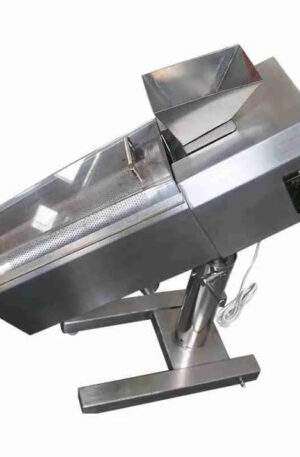
Table press machines, such as TDP (Tablet Press) and THDP (Tablet Hydraulic Press), are essential in the pharmaceutical manufacturing process. These machines are used to compress powdered ingredients into tablet form. The evolution of table press machines has led to increased automation, higher production speeds, and improved accuracy in dosage control. Modern table press machines are equipped with advanced features such as automatic feeding systems, real-time monitoring sensors, and customizable settings for different tablet sizes and shapes.
Capsule filling machines are another crucial component in pharmaceutical manufacturing. These machines are used to fill empty capsules with the desired medication in powder or pellet form. The development of high-speed capsule filling machines has revolutionized the production of capsules, enabling pharmaceutical companies to meet the growing demand for oral solid dosage forms. The latest capsule filling machines are equipped with precision dosing systems, dust control mechanisms, and automatic cleaning processes for increased efficiency and product quality.
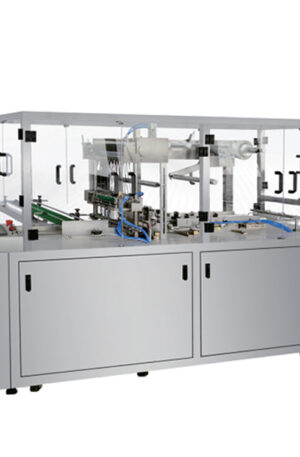
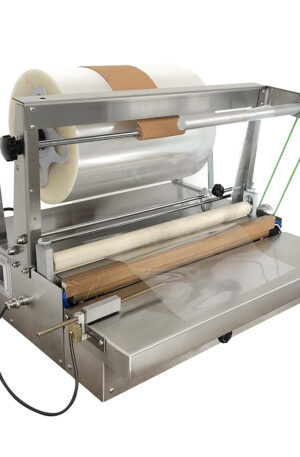
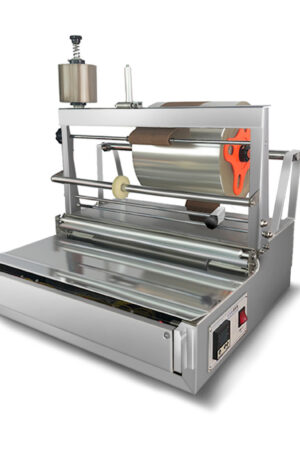
The integration of table press machines and capsule filling machines in pharmaceutical production lines has resulted in significant improvements in product quality, production efficiency, and regulatory compliance. By automating key steps in the manufacturing process, pharmaceutical companies can reduce human error, minimize product variability, and ensure batch-to-batch consistency. This level of automation not only streamlines production but also enhances safety measures by reducing the risk of contamination and cross-contamination.
Furthermore, the evolution of pharmaceutical machinery has led to enhanced flexibility in manufacturing processes. With the ability to adjust machine settings and parameters, pharmaceutical companies can easily adapt to changing production requirements and create customized formulations for different medications. This flexibility allows for rapid scalability and diversification of product offerings, ultimately driving innovation and market competitiveness.
In conclusion, the evolution of pharmaceutical machinery, particularly table press machines and capsule filling machines, has significantly impacted the pharmaceutical industry. Advancements in technology have revolutionized manufacturing processes, leading to increased efficiency, accuracy, and flexibility in drug production. By investing in state-of-the-art machinery, pharmaceutical companies can stay ahead of the competition, meet regulatory standards, and deliver high-quality medications to consumers worldwide.
Overall Word Count: 419 words.