Title: Revolutionizing the Pharmaceutical Industry: The Role of Pharmaceutical Machinery in Modern Drug Production
In the ever-evolving landscape of the pharmaceutical industry, advancements in technology have played a crucial role in enhancing drug production processes. One of the pivotal components driving this revolution is the use of pharmaceutical machinery, such as the table press machine and capsule filling machine. These automated devices have transformed the way medications are manufactured, streamlining production, ensuring consistency, and improving efficiency.
Table press machines, commonly referred to as tablet presses, are essential equipment used in pharmaceutical manufacturing to compress powdered ingredients into solid tablets. These machines come in various types and models, with the Single Punch Tablet Press and Rotary Tablet Press being among the most commonly used. The Tablet Direct Press (TDP) and Tablet High-Speed Direct Press (THDP) are examples of advanced tablet presses that offer higher production speeds and improved accuracy in tablet weight and thickness.
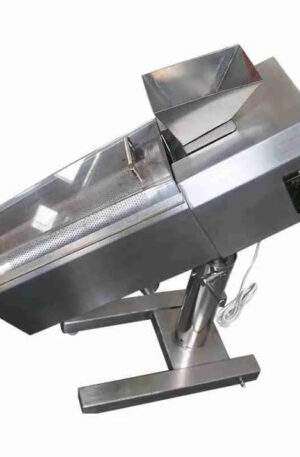
Capsule filling machines are another critical aspect of modern drug production. These machines are designed to fill empty capsule shells with precise amounts of powdered, granulated, or liquid medication. Capsule filling machines eliminate the need for manual labor in the capsule filling process, reducing the risk of human error and contamination. This automation results in faster production rates and ensures uniformity in dosages, a crucial factor in pharmaceutical quality control.
The introduction of advanced technologies in pharmaceutical machinery, such as TDP and THDP, has revolutionized drug manufacturing processes. These machines incorporate features like automatic feeding systems, precision dosing mechanisms, and real-time monitoring capabilities, which enhance productivity and product quality. The ability to produce tablets with consistent weight, hardness, and disintegration properties is essential for ensuring the efficacy and safety of medications.
Furthermore, pharmaceutical machinery plays a vital role in meeting the increasing demand for personalized medicine and niche drug products. The flexibility of these machines allows for the production of small batches of specialized medications, catering to individual patient needs. This capability is particularly valuable in the era of precision medicine, where treatments are tailored to specific genetic profiles and medical conditions.
In conclusion, the integration of pharmaceutical machinery, including table press machines and capsule filling machines, has significantly improved the efficiency, quality, and flexibility of drug manufacturing processes. The advancements in technology, such as TDP and THDP, have revolutionized the pharmaceutical industry, paving the way for enhanced production capabilities and the development of innovative medications. As the demand for personalized medicine continues to grow, pharmaceutical machinery will play an increasingly crucial role in meeting the evolving needs of patients and healthcare professionals.