Title: The Role of Pharmaceutical Machinery in Modern Medicine Production
In the realm of pharmaceutical manufacturing, the efficiency and precision of machinery play a crucial role in ensuring the quality and consistency of medications. Among the various types of pharmaceutical machinery utilized in the production process, table press machines and capsule filling machines stand out as indispensable tools. This article explores the significance of these machines, with a focus on the TDP (Tablet Press) and THDP (Tablet Hardness Testing) machines.
Tablet press machines, commonly known as tableting machines, are at the heart of tablet manufacturing. These machines are designed to compress powdered materials into tablets of uniform size, shape, and weight. The process of tablet compression involves the use of punches and dies to exert high pressure on the powders, thus forming the tablets. The TDP series of table press machines, such as TDP-5 and TDP-6s, are widely used in the pharmaceutical industry for their efficiency and reliability in producing high-quality tablets.
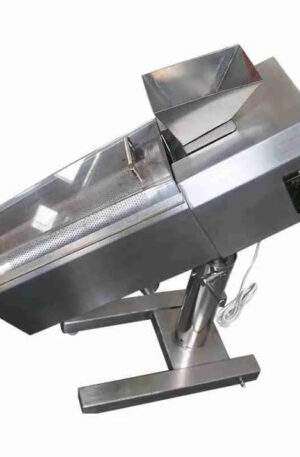
On the other hand, capsule filling machines are essential for encapsulating powdered or liquid medications into gelatin or vegetarian capsules. These machines automate the process of filling and sealing capsules, ensuring accurate dosing and preventing cross-contamination. With the advancement of technology, modern capsule filling machines offer adjustable dosing options, precision filling mechanisms, and high-speed production capabilities. Pharmaceutical companies rely on these machines to streamline their capsule manufacturing processes and meet the increasing demand for oral solid dosage forms.
In addition to table press and capsule filling machines, tablet hardness testing plays a critical role in pharmaceutical quality control. Tablet hardness, which refers to the force required to break a tablet, is a key indicator of tablet strength and durability. The THDP machine is specifically designed to measure the hardness of tablets by applying controlled force to the samples. By ensuring that tablets meet the required hardness specifications, pharmaceutical companies can guarantee the efficacy and safety of their products.
In conclusion, pharmaceutical machinery, including table press machines, capsule filling machines, and hardness testing devices, plays a vital role in the production of modern medicines. These machines enhance manufacturing efficiency, ensure product quality, and uphold regulatory standards in the pharmaceutical industry. As the demand for pharmaceutical products continues to grow, the reliance on state-of-the-art machinery to meet these demands will only increase.
This article highlights the pivotal role of pharmaceutical machinery, specifically table press machines, capsule filling machines, TDP, and THDP machines, in driving innovation and excellence in medicine production.