Title: **The Role of Pharmaceutical Machinery in Drug Manufacturing Processes**
Pharmaceutical machinery plays a crucial role in the drug manufacturing process by automating and streamlining various production stages. Two key machines used in the pharmaceutical industry are the table press machine and the capsule filling machine.
The table press machine, also known as a tablet press or pill press, is essential for the production of tablets. It functions by compressing powdered ingredients into solid tablets of precise shapes and sizes. The machine operates by filling the powder into a die cavity and then applying a high level of pressure to form the tablet. The tablets produced by the table press machine can vary in shape, size, and hardness, depending on the specific requirements of the drug being manufactured.
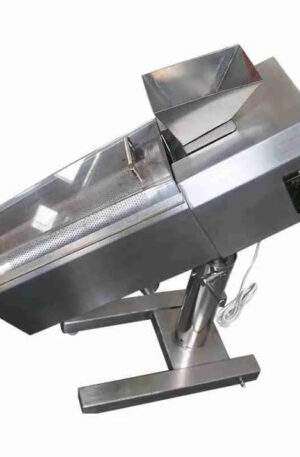
On the other hand, the capsule filling machine is used to fill empty gelatin or vegetarian capsules with the active pharmaceutical ingredients (APIs) to create oral dosage forms. This machine ensures accurate and consistent filling of capsules to meet dosage specifications. The capsule filling process involves several steps, including sorting empty capsules, filling them with the desired amount of drug powder, and sealing the filled capsules for packaging and distribution.
In tablet manufacturing, the term “TDP” (Tablet Press Machine) and “THDP” (Tablet Press High Speed Double Press) are commonly used to refer to the capacity and speed of the tablet press machines. TDP machines are typically used for small to medium-scale production, while THDP machines are designed for high-speed production to meet the demands of large pharmaceutical companies. The choice of machine depends on factors such as production volume, tablet size, and required output speed.
Efficiency, accuracy, and hygiene are critical considerations when selecting pharmaceutical machinery. The machines must comply with regulatory standards and Good Manufacturing Practices (GMP) to ensure the quality, safety, and efficacy of the final drug products. Regular maintenance and calibration are essential to prevent cross-contamination and ensure the machines’ optimal performance.
In conclusion, pharmaceutical machinery, such as table press and capsule filling machines, plays a vital role in drug manufacturing processes. These machines enable pharmaceutical companies to produce tablets and capsules efficiently, accurately, and in compliance with regulatory requirements. Understanding the functions and specifications of these machines, including TDP and THDP capabilities, is essential for optimizing drug production and maintaining high standards of quality in the pharmaceutical industry.