Title: “Revolutionizing Pharmaceutical Production: The Impact of Pharmaceutical Machinery”
Introduction:
Pharmaceutical machinery has ushered in a new era of drug manufacturing, transforming the way medications are produced and revolutionizing the pharmaceutical industry. In this article, we will explore the critical role of pharmaceutical machinery, focusing on key equipment such as table press machines, capsule filling machines, TDP (Tablet Press Machine), and THDP (Tablet Hardness Testing Machine) in shaping the future of pharmaceutical production.
Importance of Pharmaceutical Machinery:
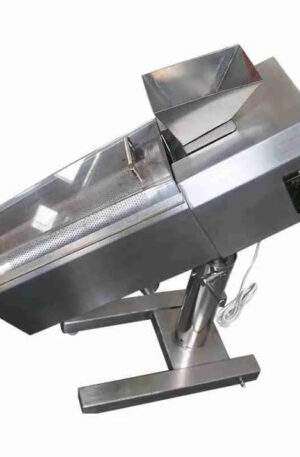
Pharmaceutical machinery encompasses a diverse range of equipment essential for drug manufacturing, including table press machines and capsule filling machines. These machines play a crucial role in ensuring the precision and efficiency of the production process, ultimately impacting the quality, safety, and efficacy of pharmaceutical products. Table press machines, for example, are used to compress powdered ingredients into tablets of precise measurements, shapes, and dosages, while capsule filling machines automate the filling of capsules with medication, optimizing the manufacturing process.
Impact on the Pharmaceutical Industry:
The introduction of advanced pharmaceutical machinery has significantly enhanced the speed and productivity of drug manufacturing operations within the pharmaceutical industry. Table press machines and capsule filling machines have enabled pharmaceutical companies to meet the increasing demand for medications on a larger scale, ensuring efficient production processes and consistent product quality. Additionally, the integration of technological innovations such as TDP and THDP machines has improved the automation and digitization of pharmaceutical manufacturing, reducing human error and maximizing operational efficiency.
Technological Advancements Shaping the Future:
The future of pharmaceutical production is driven by continuous technological advancements in machinery, including TDP and THDP machines. These cutting-edge devices are transforming the drug manufacturing landscape, enabling real-time monitoring, analysis, and optimization of production processes. The utilization of data analytics and IoT technology in pharmaceutical machinery is facilitating improved quality control and regulatory compliance in pharmaceutical manufacturing operations. Furthermore, the emergence of modular manufacturing systems and sustainability initiatives, coupled with advanced equipment like TDP and THDP machines, is paving the way for environmentally conscious and personalized medicine production practices.
Conclusion:
In conclusion, pharmaceutical machinery, including table press machines, capsule filling machines, TDP, and THDP machines, is an indispensable component of modern drug manufacturing processes, driving innovation, efficiency, and quality in the pharmaceutical industry. As technology continues to advance, the role of pharmaceutical machinery will become increasingly prominent in shaping the future of pharmaceutical production, ensuring the delivery of safe, effective, and sustainable medications to patients worldwide.