Title: Pharmaceutical Machinery: Revolutionizing the Manufacturing Process
Pharmaceutical machinery plays a vital role in the manufacturing process of medicines, ensuring precision, efficiency, and safety. Among the various types of pharmaceutical machinery, table press machines and capsule filling machines are two key components that have revolutionized the industry.
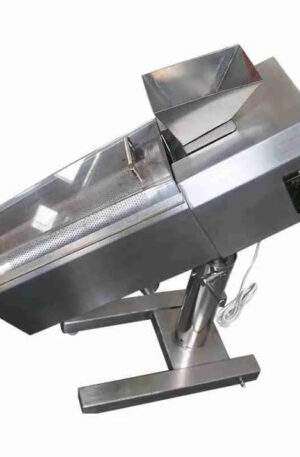
Tablet press machines, commonly referred to as tableting machines, are essential in the production of tablets. These machines compress powders into solid doses of medication. The Tablet Deduster Machine is a crucial part of this process, as it removes excess powder from the tablet surface to improve the quality of the final product. The Tablet Press Machine, also known as TDP (Tablet Press Machine) or THDP (High-speed Tablet Press Machine), is responsible for compressing the powder mixture into tablet form with accurate weight and dimensions.
On the other hand, capsule filling machines are used to fill empty capsules with the desired medication. These machines come in various configurations, including manual, semi-automatic, and fully automatic models. The Semi-Automatic Capsule Filling Machine allows for precise filling of capsules with a manual process, while the Automatic Capsule Filling Machine can fill hundreds of capsules per minute with minimal human intervention.
The advancements in pharmaceutical machinery have significantly improved the manufacturing process of medicines. These machines offer high production efficiency, reduced labor costs, and enhanced product quality. The automation of processes through machines like the Tablet Press Machine and Capsule Filling Machine has also increased the overall output and consistency of pharmaceutical products.
Moreover, pharmaceutical machinery plays a crucial role in ensuring compliance with regulatory standards. Modern machines are designed to meet Good Manufacturing Practices (GMP) guidelines to maintain the safety and efficacy of medicines. They incorporate features such as stainless steel construction, precision dosing mechanisms, and automated cleaning processes to prevent cross-contamination and ensure product integrity.
In conclusion, pharmaceutical machinery, including table press machines and capsule filling machines, has revolutionized the manufacturing process of medicines. These machines offer precision, efficiency, and compliance with regulatory standards, making them indispensable in the pharmaceutical industry. The continuous advancement of technology in pharmaceutical machinery continues to drive innovation and improve the overall quality of pharmaceutical products.