Title: The Evolution of Pharmaceutical Machinery: Innovations Driving Drug Development
The pharmaceutical industry has undergone significant advancements over the years, with technology playing a crucial role in revolutionizing the way drugs are developed and produced. One of the key aspects of this evolution is the continuous innovation in pharmaceutical machinery, particularly the table press machine and capsule filling machine.
Tablet press machines, also known as tablet compressing machines, are essential equipment in the pharmaceutical manufacturing process. These machines are used to compress powder or granules into tablets of uniform size and shape. The evolution of table press machines has seen the development of high-speed, automatic machines that can produce thousands of tablets per hour. Modern table press machines are equipped with advanced features such as adjustable compression force, electronic controls, and automated cleaning systems, improving efficiency and accuracy in tablet production.
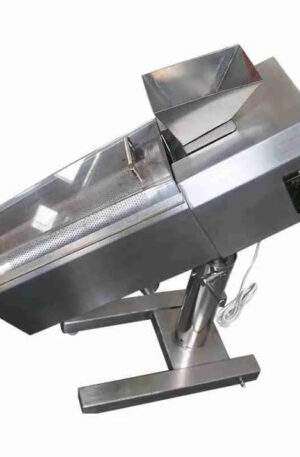
On the other hand, capsule filling machines play a critical role in encapsulating drugs in a precise and efficient manner. These machines fill empty capsules with the required dosage of medication, ensuring consistency in dosing and quality. Technological advancements in capsule filling machines have led to the development of semi-automatic and fully automatic machines that can fill hundreds of capsules per minute. The introduction of technologies such as tamping pin technology (TDP) and dosator technology (THDP) has further improved the accuracy and speed of capsule filling processes.
The integration of digital technologies and automation in pharmaceutical machinery has enabled pharmaceutical companies to streamline their production processes, reduce human error, and increase productivity. Robotics and artificial intelligence (AI) have been increasingly incorporated into pharmaceutical machinery, allowing for real-time monitoring, data analysis, and predictive maintenance. These advancements have not only improved the efficiency of drug manufacturing but also enhanced the quality and safety of pharmaceutical products.
In conclusion, the evolution of pharmaceutical machinery, particularly in the development of table press machines and capsule filling machines, has significantly contributed to the advancement of drug development and production. The introduction of high-speed, automated machines with advanced features such as TDP and THDP technology has transformed the pharmaceutical manufacturing industry, making processes more efficient, accurate, and reliable. As technology continues to progress, the future of pharmaceutical machinery holds promise for further innovations that will drive drug development to new heights.