Title: The Role of Pharmaceutical Machinery in Modern Medicine Industry
In the ever-evolving landscape of the pharmaceutical industry, the role of advanced pharmaceutical machinery is becoming increasingly vital in driving innovation, efficiency, and compliance with stringent quality standards. Pharmaceutical machinery encompasses a broad spectrum of equipment, ranging from mixing and blending machines to tablet press machines, capsule filling machines, and advanced technologies like TDP (Tablet Deduster Machine) and THDP (Tablet Hardness Tester Machine). These machines play a crucial role in various stages of drug production, ensuring the safety, efficacy, and quality of pharmaceutical products.
One of the key functions of pharmaceutical machinery is the tablet press machine, which is essential for the compression of powdered drug formulations into solid tablets. Tablet press machines, also known as tableting machines, come in various types such as single-punch tablet press, rotary tablet press, and high-speed tablet press, each with specific capabilities and production capacities. These machines provide precise control over the tablet size, weight, hardness, and thickness, ensuring that each tablet meets the required specifications for optimal drug delivery and bioavailability.
Capsule filling machines are another essential component of pharmaceutical machinery, particularly for the production of encapsulated medications. These machines automate the process of filling empty gelatin or vegetarian capsules with the desired drug formulation, enabling efficient and standardized production of pharmaceutical products in capsule form. Capsule filling machines come in different configurations, such as manual capsule filling machines for small-scale production and automatic capsule filling machines for high-volume manufacturing, offering versatility and flexibility to pharmaceutical manufacturers.
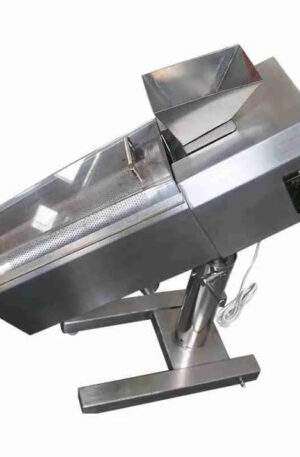
Moreover, the integration of advanced technologies like TDP (Tablet Deduster Machine) and THDP (Tablet Hardness Tester Machine) has further enhanced the efficiency and quality control measures in pharmaceutical manufacturing. TDP machines are utilized to remove excess dust and debris from tablets after the compression process, ensuring the cleanliness and aesthetic appeal of the final product. On the other hand, THDP machines are designed to measure the hardness and breaking point of tablets, providing valuable data on the mechanical strength and integrity of the tablets.
In conclusion, the utilization of sophisticated pharmaceutical machinery, including tablet press machines, capsule filling machines, TDP, and THDP, plays a pivotal role in driving innovation, quality assurance, and operational efficiency in the modern medicine industry. As pharmaceutical companies strive to meet the increasingly complex demands of regulatory authorities and consumers, investing in state-of-the-art pharmaceutical machinery becomes not only a necessity but also a strategic advantage in delivering high-quality medications to patients worldwide.