Title: The Impact of Pharmaceutical Machinery on Modern Healthcare
Pharmaceutical machinery plays a crucial role in the production of medicines and healthcare products. In recent years, technological advancements have revolutionized the pharmaceutical industry, making processes more efficient and effective. Key equipment such as table press machines, capsule filling machines, TDP (Tablet Compression Machine), and THDP (High-Speed Tablet Press) have transformed the way medications are manufactured, impacting modern healthcare in various ways.
Table press machines, also known as tablet presses, are essential in the pharmaceutical manufacturing process. These machines are used to compress powder formulations into tablets of specific sizes and shapes. With the help of table press machines, pharmaceutical companies can produce large quantities of tablets accurately and efficiently, ensuring uniformity in dosages and quality of the final product.
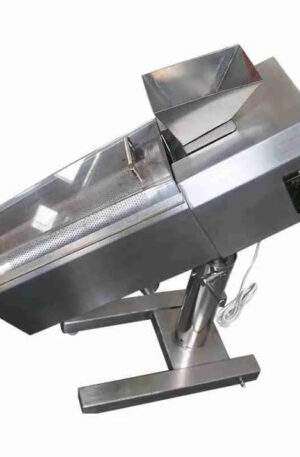
Capsule filling machines are another vital piece of pharmaceutical equipment. These machines automate the process of filling empty capsules with powdered or liquid medications. By using capsule filling machines, pharmaceutical companies can improve production speed and accuracy, resulting in consistent dosages and reduced chances of human error in the filling process.
TDP (Tablet Compression Machine) and THDP (High-Speed Tablet Press) are advanced tablet press machines that further enhance the efficiency of tablet production. These machines have high-speed capabilities, allowing pharmaceutical companies to mass-produce tablets at a rapid pace. The precision and speed of TDP and THDP machines contribute to meeting the increasing demand for pharmaceutical products worldwide.
The impact of pharmaceutical machinery on modern healthcare is multifaceted. Firstly, the use of advanced machinery in pharmaceutical production ensures the quality and safety of medications, reducing the risk of errors in dosage or formulation. Secondly, the efficiency of pharmaceutical machinery enables companies to meet the growing demand for medicines, particularly during times of health crises or pandemics.
Moreover, technological advancements in pharmaceutical machinery have led to the development of innovative drug delivery systems and formulations. For example, the use of specialized machinery allows for the production of extended-release tablets, which provide controlled drug release over an extended period, improving patient compliance and treatment outcomes.
In conclusion, pharmaceutical machinery, including table press machines, capsule filling machines, TDP, and THDP, plays a significant role in modern healthcare. These advanced machines have transformed pharmaceutical production processes, ensuring the quality, efficiency, and innovation in the manufacturing of medicines. As technology continues to advance, the impact of pharmaceutical machinery on healthcare is expected to further revolutionize the industry, leading to improved treatment options and better patient outcomes.