Title: Revolutionizing the Pharmaceutical Industry: The Role of Pharmaceutical Machinery
In the rapidly evolving pharmaceutical industry, technological advancements play a crucial role in ensuring the efficiency and quality of drug manufacturing processes. One of the key components driving this evolution is the use of pharmaceutical machinery. Among the various types of pharmaceutical machinery, table press machines and capsule filling machines stand out as essential tools in the production of medications.
Table press machines, also known as tablet presses, are integral to the production of tablets, which are one of the most common forms of medication. These machines utilize compression force to compact powdered ingredients into specific shapes and sizes. The Tablet press machine is equipped with different parts like the hopper, feeder, turret, and tooling system, which work together to ensure precise dosing and uniformity in tablet weight and size. Advanced models of table press machines, such as the TDP (Tablet Press Machine) and THDP (Tablet High-speed Press Machine), offer enhanced speed and accuracy in tablet production, meeting the high demands of the pharmaceutical market.
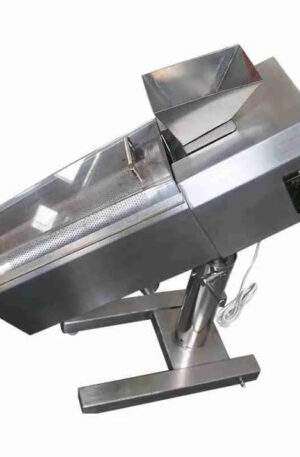
In contrast, capsule filling machines are designed to accurately fill empty capsules with the desired dosage of powdered or granulated medication. These machines consist of a tamping and dosing system that ensures uniform filling of capsules. The capsules filled by these machines provide a convenient and efficient way of administering medications, especially for patients who have difficulty swallowing tablets. Both manual and automatic capsule filling machines are available in the market, with automatic machines like TDP models offering higher production capacities and improved efficiency.
Overall, the integration of table press machines and capsule filling machines in pharmaceutical manufacturing has revolutionized the industry by streamlining production processes, enhancing drug quality, and increasing productivity. These machines have not only improved the speed and accuracy of medication production but also ensured consistency in dosing and formulation. Furthermore, the technological advancements in pharmaceutical machinery, such as the development of TDP and THDP models, have allowed manufacturers to meet the growing demand for a diverse range of medications while maintaining high standards of quality control.
In conclusion, pharmaceutical machinery, particularly table press machines and capsule filling machines, continues to play a pivotal role in the advancement of the pharmaceutical industry. With the ongoing technological innovations and improvements in these machines, the future of drug manufacturing holds promising prospects for enhanced efficiency, quality, and innovation.
(Word Count: 371)