“Revolutionizing the Pharmaceutical Industry: The Impact of Pharmaceutical Machinery”

Title: Revolutionizing the Pharmaceutical Industry: The Impact of Pharmaceutical Machinery

In the ever-evolving world of pharmaceuticals, the utilization of advanced machinery has significantly transformed the manufacturing process, resulting in enhanced efficiency and accuracy. Two key pieces of equipment that have revolutionized the pharmaceutical industry are the table press machine and the capsule filling machine. These machines play a vital role in the production of medications, ensuring precise dosages and high-quality products for patients worldwide.

Table press machines, such as the TDP (Tablet Press) and THDP (Tablet Hardness Tester), are essential in the tablet manufacturing process. The TDP is used to compress powdered ingredients into solid tablets of uniform shape and size. It operates by exerting high pressure on the powder, compacting it into a tablet form. The TDP ensures consistency in dosage and quality, making it a crucial component in pharmaceutical production.

On the other hand, capsule filling machines are instrumental in encapsulating powdered or liquid medications. These machines streamline the process of filling and sealing capsules, allowing for rapid and efficient production. The automated nature of capsule filling machines significantly increases productivity while maintaining accuracy in dosage. By utilizing these machines, pharmaceutical companies can meet the growing demand for various medications while adhering to stringent quality standards.

The TDP and capsule filling machines have not only improved efficiency but also enhanced safety in pharmaceutical manufacturing. With precise control over dosage and production processes, the risk of errors and contamination is significantly reduced. This ensures that patients receive medications that meet strict quality standards, ultimately enhancing the effectiveness of treatment protocols.

Moreover, the integration of technology and automation in pharmaceutical machinery has led to further advancements in the industry. Modern machines are equipped with innovative features such as real-time monitoring, data analysis, and remote operation capabilities. These technological upgrades not only improve production efficiency but also enable pharmaceutical companies to adapt to changing market demands swiftly.

In conclusion, the table press machine and capsule filling machine have played a pivotal role in revolutionizing the pharmaceutical industry. These advanced pieces of machinery have not only increased production efficiency but have also elevated the quality and safety standards of pharmaceutical products. As technology continues to advance, the integration of innovative features in pharmaceutical machinery will continue to shape the future of medication manufacturing, providing patients with reliable and effective treatment options.

Title: The Role of Pharmaceutical Machinery in Modern Drug Manufacturing

Title: The Role of Pharmaceutical Machinery in Modern Drug Manufacturing

In the realm of pharmaceutical manufacturing, the use of advanced machinery plays a vital role in ensuring efficiency, accuracy, and safety in the production of medications. Among the various types of pharmaceutical machinery utilized in drug manufacturing processes, table press machines and capsule filling machines stand out as essential tools. Specifically, machines such as TDP (Tablet Press) and THDP (Tablet Hardness Testing Machine) have revolutionized the way drugs are formulated and produced in the modern pharmaceutical industry.

Tablet press machines, commonly known as tablet presses, are a cornerstone of pharmaceutical manufacturing. These machines are used to compress powder formulations into solid tablets of precise shapes, sizes, and weights. The intricate design of table press machines allows for the automation of the tablet production process, resulting in high-speed and high-volume manufacturing capabilities. With the ability to control parameters such as compression force, tablet thickness, and density, table press machines ensure consistent quality across each tablet produced.

On the other hand, capsule filling machines are instrumental in encapsulating powdered or liquid drug formulations into gelatin or vegetarian capsules. These machines streamline the process of filling and sealing capsules, providing a convenient and standardized method of dosage delivery. Capsule filling machines are versatile and can accommodate various capsule sizes, allowing for the production of different dosage strengths and formulations.

One of the key players in the tablet press machine market is TDP, which offers a range of high-quality table press machines to pharmaceutical manufacturers worldwide. TDP machines are renowned for their reliability, precision, and ease of operation, making them a preferred choice for many drug manufacturing facilities. Similarly, THDP machines are critical in ensuring the quality and integrity of tablets produced. These machines help manufacturers test the hardness and durability of tablets, ensuring that each tablet meets the required specifications for effective drug delivery.

In conclusion, the utilization of pharmaceutical machinery such as table press machines and capsule filling machines has transformed the landscape of drug manufacturing. The precision, speed, and efficiency offered by these machines contribute to the production of high-quality medications that meet stringent regulatory standards. With innovative technologies like TDP and THDP continuing to enhance pharmaceutical machinery, the future of drug manufacturing looks promising, with improved capabilities and outcomes for both manufacturers and patients.

This article highlights the importance of pharmaceutical machinery, including table press machines and capsule filling machines, in the modern drug manufacturing process, emphasizing their role in ensuring efficiency, accuracy, and safety in medication production.

“Revolutionizing Pharmaceutical Production: The Role of Pharmaceutical Machinery”

Title: Revolutionizing Pharmaceutical Production: The Role of Pharmaceutical Machinery

In the fast-paced world of pharmaceutical manufacturing, the utilization of cutting-edge technology and advanced machinery plays a pivotal role in ensuring efficiency, precision, and safety in the production process. Among the most crucial components of pharmaceutical machinery are table press machines and capsule filling machines. These machines are instrumental in the manufacturing of various forms of pharmaceutical products, ranging from tablets to capsules, and are essential in meeting the growing demands of the industry.

Table press machines, also known as tablet presses, are indispensable in the process of tablet production. These machines operate by compressing powdered ingredients into solid tablets of precise weight and dimensions. The key to the efficiency of table press machines lies in their ability to control variables such as compression force, tablet thickness, and production speed. This precision is essential in ensuring the consistency and quality of the tablets produced, which is critical in pharmaceutical manufacturing.

One of the widely used table press machines in the pharmaceutical industry is the Tablet Press Machine TDP series, including models like TDP-1.5, TDP-5, and TDP-6. These machines are known for their compact design, ease of operation, and high production capacity. The TDP series offers pharmaceutical manufacturers the flexibility to produce a wide range of tablet sizes and shapes, making them versatile and cost-effective solutions for pharmaceutical production facilities.

In conjunction with table press machines, capsule filling machines are another essential component of pharmaceutical machinery. These machines are designed to accurately fill empty capsules with powdered or granular materials, allowing for the efficient and precise encapsulation of pharmaceutical formulations. The THDP series of capsule filling machines are among the most advanced models available in the market. These machines are equipped with features such as automatic capsule loading, precise dosing mechanisms, and high-speed production capabilities, making them ideal for large-scale pharmaceutical manufacturing operations.

The integration of table press machines and capsule filling machines in pharmaceutical production facilities has revolutionized the way medications are manufactured. By streamlining the production process, improving efficiency, and ensuring quality control, these machines have become indispensable tools for pharmaceutical manufacturers worldwide. The advancement of technology in pharmaceutical machinery continues to drive innovation in the industry, paving the way for the development of new and improved drug delivery systems and formulations.

In conclusion, the role of pharmaceutical machinery, particularly table press machines and capsule filling machines, in pharmaceutical production cannot be overstated. These machines have enabled pharmaceutical manufacturers to meet the growing demands of the industry while maintaining high standards of quality and efficiency. As technology continues to advance, the future of pharmaceutical manufacturing looks increasingly promising, thanks to the constant evolution and enhancement of pharmaceutical machinery.

Word Count: 457

“The Evolution of Pharmaceutical Machinery: Advancements in Drug Manufacturing Technology”

Title: The Evolution of Pharmaceutical Machinery: Advancements in Drug Manufacturing Technology

The pharmaceutical industry has seen remarkable progress in drug manufacturing technology over the years, particularly in the development of advanced pharmaceutical machinery. Key to this evolution are innovations in equipment such as table press machines and capsule filling machines, which have significantly improved the efficiency and precision of drug manufacturing processes.

Tablet press machines, commonly known as tableting machines, play a crucial role in the production of tablets. These machines compress powdered ingredients into solid tablets of precise size, weight, and hardness. The introduction of modern table press machines has revolutionized tablet manufacturing, allowing for high-speed production with minimal wastage. The Tablet Press Machine TDP series, for example, has become popular for its compact design, ease of operation, and consistent tablet output. Furthermore, the development of the Tablet Press Machine THDP series has further enhanced efficiency by incorporating advanced features such as touch-screen controls and data monitoring capabilities.

In parallel, capsule filling machines have undergone significant advancements to meet the increasing demand for pharmaceutical capsules. These machines are designed to fill empty capsules with powdered or liquid medication while ensuring accurate dosage and uniformity. The utilization of capsule filling machines has streamlined the capsule production process, enabling pharmaceutical companies to meet stringent quality standards and regulatory requirements. The introduction of advanced technologies in capsule filling machines has further improved productivity and flexibility in manufacturing operations.

The TDP and THDP series of pharmaceutical machinery represent the shift towards automation and digitalization in drug manufacturing. These machines are equipped with state-of-the-art controls and monitoring systems to optimize production processes and ensure product quality. By integrating features such as real-time data tracking and remote diagnostics, pharmaceutical manufacturers can enhance operational efficiency and reduce downtime.

In conclusion, the evolution of pharmaceutical machinery, particularly the advancements in table press machines and capsule filling machines such as TDP and THDP series, has revolutionized drug manufacturing technology. These innovative machines have not only improved production efficiency and product quality but have also paved the way for the future of pharmaceutical manufacturing. With continuous research and development in machinery technology, the pharmaceutical industry is well-positioned to meet the evolving needs of the healthcare sector and deliver innovative medications to patients worldwide.

Title: The Role of Pharmaceutical Machinery in Modern Medicine Industry

Title: The Role of Pharmaceutical Machinery in Modern Medicine Industry

In the realm of modern medicine, the efficient production of pharmaceuticals plays a vital role in safeguarding public health. The foundation of this production lies in the cutting-edge pharmaceutical machinery that enables the manufacturing of various forms of medication. Among the key machines in the pharmaceutical industry are the table press machine, capsule filling machine, TDP, and THDP, each serving a unique purpose in the drug manufacturing process.

The table press machine stands as a cornerstone in pharmaceutical production, being instrumental in the compression of powdered ingredients into solid tablets. This machine ensures uniformity in tablet size and weight, guaranteeing accurate dosages for patients. Moreover, the table press machine facilitates the mass production of tablets in a timely manner, meeting the demand for essential medications worldwide.

Conversely, the capsule filling machine simplifies the process of encapsulating pharmaceutical ingredients. By automating the filling and sealing of capsules, this machine enhances efficiency and precision in pharmaceutical manufacturing. The capsule filling machine accommodates a variety of capsule sizes and formulations, catering to the diverse needs of the pharmaceutical industry.

TDP, or tablet press machine, represents a compact and versatile solution for small-scale pharmaceutical production. This machine is ideal for laboratories and research facilities, offering precise control over the tablet compression process. With TDP machines, pharmaceutical companies can expedite the development and testing of new medications before large-scale production.

On the other hand, THDP machines, or high-speed tablet press machines, are engineered for high-volume pharmaceutical manufacturing. These advanced machines boast rapid production rates, ensuring the timely supply of medications to the market. THDP machines uphold stringent quality standards, producing tablets that meet regulatory requirements and safety guidelines.

Overall, the table press machine, capsule filling machine, TDP, and THDP stand as indispensable assets in the pharmaceutical industry. Through their innovative capabilities, these machines drive the production of high-quality medications, enabling healthcare professionals to deliver effective treatments to patients worldwide. As technology continues to advance, pharmaceutical machinery will play an increasingly pivotal role in shaping the future of medicine production and global healthcare.

Title: The Evolution of Pharmaceutical Machinery: Innovations in Drug Manufacturing Technology

Article Title: The Evolution of Pharmaceutical Machinery: Innovations in Drug Manufacturing Technology

In the fast-paced world of pharmaceutical manufacturing, advancements in technology and machinery play a crucial role in ensuring the efficient production of life-saving medications. From the early rudimentary table press machines to the sophisticated TDP (Tablet Compression Machine) and THDP (Tablet High-Speed Rotary Press) models used today, the evolution of pharmaceutical machinery is a testament to the industry’s commitment to quality, safety, and innovation.

The history of pharmaceutical machinery can be traced back to the invention of the table press machine, which revolutionized the way medications were produced. Originally operated manually, these machines were later mechanized to improve efficiency and consistency in tablet production. The introduction of the capsule filling machine further expanded the industry’s capabilities, allowing for the encapsulation of various drug formulations with precision and speed.

As technology continued to advance, the pharmaceutical industry saw the emergence of the TDP and THDP machines, which are now widely used in drug manufacturing facilities around the world. The TDP, a single-punch tablet press, utilizes mechanical force to compress powdered ingredients into solid tablets of uniform shape and size. Its high-speed counterpart, the THDP, offers even greater efficiency and output capacity, making it ideal for large-scale production requirements.

These modern pharmaceutical machines incorporate cutting-edge features such as automatic feeding systems, real-time monitoring sensors, and digital control interfaces, ensuring consistent product quality and regulatory compliance. Additionally, advancements in material science have led to the development of specialized tooling and dies that enhance the precision and performance of tablet compression processes.

In the quest for continuous improvement, pharmaceutical machinery manufacturers are constantly researching and developing new technologies to meet the evolving needs of the industry. From the integration of AI-driven algorithms for process optimization to the implementation of lean manufacturing principles for waste reduction, the future of drug manufacturing technology holds tremendous promise for enhanced efficiency and product innovation.

In conclusion, the evolution of pharmaceutical machinery—from the humble beginnings of table press machines to the sophisticated TDP and THDP models of today—has been instrumental in shaping the modern drug manufacturing landscape. By embracing technological advancements and innovation, the industry remains at the forefront of providing safe, effective, and high-quality medications to patients worldwide.

“The Role of Pharmaceutical Machinery in Drug Manufacturing”

Title: “The Role of Pharmaceutical Machinery in Drug Manufacturing”

Pharmaceutical machinery plays a crucial role in the drug manufacturing process, ensuring the efficiency, accuracy, and consistency of pharmaceutical products. Two essential pieces of equipment commonly used in pharmaceutical manufacturing are table press machines and capsule filling machines.

Table press machines, such as TDP (Tablet Press) and THDP (High-Speed Tablet Press), are integral in the production of tablets. Table press machines operate by compressing powdered ingredients into solid tablets of specific sizes and shapes. The TDP machine is a versatile option suitable for small to medium-sized pharmaceutical companies, offering efficiency and precision in tablet production. On the other hand, the THDP is a high-speed tablet press capable of producing a large quantity of tablets in a short period, meeting the demands of high-volume pharmaceutical manufacturing.

Capsule filling machines are another vital component in drug manufacturing, especially for formulations that are not suitable for tablet compression. These machines efficiently fill empty capsules with powdered or granulated pharmaceutical ingredients to create oral dosage forms. Capsule filling machines come in various types, including manual, semi-automatic, and automatic machines, offering different levels of production capacity and automation.

The TDP and THDP table press machines, along with capsule filling machines, streamline the drug manufacturing process by ensuring consistent dosages, uniform tablet or capsule sizes, and high production rates. These machines not only enhance operational efficiency but also contribute to the quality and safety of pharmaceutical products.

In conclusion, pharmaceutical machinery, including table press machines and capsule filling machines, plays a vital role in drug manufacturing by providing efficient, accurate, and standardized production processes. The use of TDP and THDP machines, alongside capsule filling equipment, enables pharmaceutical companies to meet the growing demand for high-quality and safe medications in a cost-effective and time-efficient manner. By investing in modern pharmaceutical machinery, companies can enhance their production capabilities and deliver reliable pharmaceutical products to consumers worldwide.

Word Count: 304

“The Cutting-Edge Technology Behind Pharmaceutical Machinery”

Title: “The Cutting-Edge Technology Behind Pharmaceutical Machinery”

Pharmaceutical machinery plays a crucial role in the drug manufacturing process, ensuring the efficient production of medications that meet stringent quality standards. Two key pieces of equipment in this domain are the table press machine and the capsule filling machine.

Table press machines are essential in the production of tablets, which are the most commonly used solid dosage form in pharmaceuticals. These machines work by compressing powdered ingredients into compact tablets of uniform size and weight. One commonly used type of table press machine is the TDP (Tablet Press Machine), which is known for its high efficiency and versatility. The TDP utilizes mechanical force to compress the powder within a die cavity, forming tablets that can then be coated or packaged for distribution. Another advanced variation is the THDP (High-Speed Tablet Press Machine), which is capable of producing a larger volume of tablets at a faster rate, making it ideal for large-scale pharmaceutical production.

On the other hand, capsule filling machines are specialized equipment used to fill empty capsule shells with powdered or liquid medications. These machines ensure accurate filling of capsules, maintaining dosage consistency and minimizing product waste. Capsule filling machines come in various types, including manual, semi-automatic, and fully automatic models, each offering different levels of productivity and precision. The modern capsule filling machines utilize advanced technologies to precisely control the dosage filled into each capsule, ensuring uniformity across all units produced.

In conclusion, the evolution of pharmaceutical machinery, including table press and capsule filling machines, has revolutionized the drug manufacturing industry. With innovations such as the TDP and THDP in table press technology and advanced capsule filling machines, pharmaceutical companies can streamline production processes, enhance product quality, and meet the growing demands of the healthcare market. These cutting-edge technologies not only improve efficiency but also uphold the highest standards of drug safety and efficacy, ultimately benefiting both the pharmaceutical industry and patients worldwide.

“The Evolution of Pharmaceutical Machinery: Innovations and Impact”

Title: “The Evolution of Pharmaceutical Machinery: Innovations and Impact”

Pharmaceutical machinery plays a pivotal role in the production of medications, with advancements continually shaping the industry. Over time, the development of machines like table press machines and capsule filling machines has revolutionized pharmaceutical manufacturing processes, enhancing efficiency and quality control.

One of the most commonly used pharmaceutical machines is the table press machine. These machines are essential for compressing powders into tablets of specific shapes and sizes. The advent of modern table press machines has significantly improved the accuracy and speed of tablet production. With features like adjustable compression force and automated feeding systems, these machines ensure consistent tablet quality and reduce the risk of human error.

Similarly, capsule filling machines have undergone significant advancements in recent years. These machines are used to fill empty capsules with precise amounts of powdered or granulated medication. The introduction of automated capsule filling machines has streamlined the encapsulation process, increasing production capacity and minimizing material waste. Additionally, modern capsule filling machines offer customizable options for capsule size and filling weight, catering to diverse pharmaceutical needs.

Two key types of table press machines commonly used in pharmaceutical manufacturing are the TDP (Tablet Press) and THDP (High-speed Tablet Press). The TDP series is known for its reliability and simplicity, making it suitable for small to medium-scale production. On the other hand, the THDP series is designed for high-speed tablet production, offering increased output and efficiency. Both machines are integral to the tablet manufacturing process, ensuring consistent tablet quality and production output.

The evolution of pharmaceutical machinery has had a profound impact on the industry as a whole. The integration of advanced technologies like automatic monitoring systems and data analytics has enhanced quality control and regulatory compliance. Moreover, the optimization of machine ergonomics and safety features has improved operator efficiency and workplace safety.

In conclusion, the continuous evolution of pharmaceutical machinery, including table press machines and capsule filling machines, has brought about significant improvements in the efficiency and quality of medication production. The advancements in technology and design have not only increased production capacity but also raised the standards of pharmaceutical manufacturing. As the industry continues to innovate, pharmaceutical machinery will play a crucial role in meeting the growing demand for safe and effective medications.

“The Importance of Pharmaceutical Machinery in Drug Manufacturing”

Title: The Importance of Pharmaceutical Machinery in Drug Manufacturing

Pharmaceutical machinery plays a crucial role in the drug manufacturing process, ensuring the efficiency, precision, and quality control necessary for the production of safe and effective medications. Among the various types of pharmaceutical machinery, table press machines and capsule filling machines are essential equipment that pharmaceutical manufacturers rely on to produce tablets and capsules efficiently.

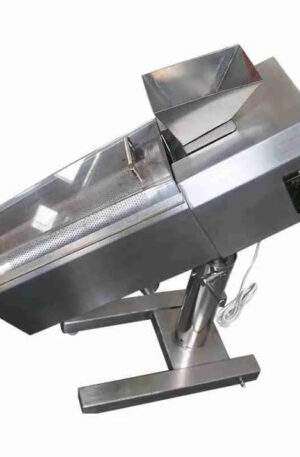
Tablet press machines, also known as tablet presses, are used to compress powdered or granular materials into tablets of a specific size, shape, and weight. These machines utilize punches and dies to form tablets through compaction, with the ability to adjust parameters such as compression force, dwell time, and turret speed for precise control over tablet properties. The Tablet Deduster Polisher (TDP) and the Tablet Hardness Tester and Deduster Polisher (THDP) are common variations of tablet press machines that incorporate additional functions such as dedusting, polishing, and hardness testing to enhance tablet quality.

Capsule filling machines, on the other hand, are designed to accurately fill empty gelatin capsules with powdered or granular formulations. These machines consist of filling stations that dispense the precise amount of material into the capsules, followed by a tampering station that ensures uniform capsule filling. Capsule filling machines come in various configurations, including manual, semi-automatic, and fully automatic models, with high-speed options available for large-scale production.

The efficiency and precision offered by table press and capsule filling machines are essential for maintaining product consistency and adhering to strict regulatory standards in the pharmaceutical industry. By automating the tablet and capsule production processes, these machines help reduce human error and contamination risks while increasing production speed and capacity. Additionally, the ability to monitor and adjust parameters in real-time allows manufacturers to optimize product quality and minimize waste during production.

In summary, table press machines and capsule filling machines are indispensable components of pharmaceutical manufacturing, playing a critical role in the production of high-quality tablets and capsules. With advancements in technology and automation, these machines continue to evolve to meet the growing demands of the pharmaceutical industry, ensuring the efficient and reliable manufacturing of medications for patients worldwide.