“The Evolution of Pharmaceutical Machinery: Advancements in Drug Manufacturing Technology”

Title: The Evolution of Pharmaceutical Machinery: Advancements in Drug Manufacturing Technology

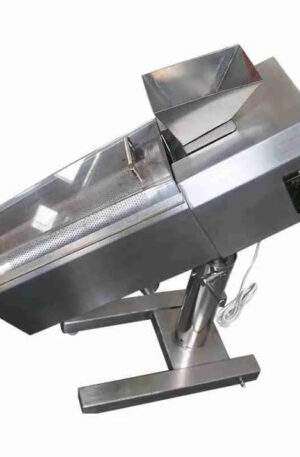
Pharmaceutical machinery has undergone significant advancements over the years, revolutionizing the way drugs are manufactured. One of the key machines in the pharmaceutical industry is the table press machine. This machine plays a crucial role in the production of tablets, which are one of the most common forms of medication. Table press machines come in various types, with the TDP (Tablet Press) and THDP (Tablet Press with High Density Output) being the most widely used.

The TDP is a versatile machine that is capable of producing a wide range of tablets with different shapes, sizes, and compositions. It operates by compressing powdered ingredients into solid tablets using punches and dies. The TDP is known for its efficiency and accuracy in tablet production, making it a staple in pharmaceutical manufacturing facilities.

On the other hand, the THDP is a more advanced version of the table press machine that offers higher production output and improved tablet quality. The THDP utilizes sophisticated technology to achieve tighter tablet tolerances and higher tablet hardness, ensuring consistent and reliable drug formulations. Pharmaceutical companies often opt for the THDP to meet the growing demand for high-quality tablets in the market.

In addition to table press machines, capsule filling machines have also played a significant role in streamlining drug manufacturing processes. These machines automate the encapsulation of powdered or liquid medications into capsules, providing a convenient and efficient way to produce oral dosage forms. Capsule filling machines are designed to handle different capsule sizes and dosages, catering to the diverse needs of pharmaceutical manufacturers.

Furthermore, advancements in pharmaceutical machinery have led to the integration of automation and digital technologies in drug manufacturing. Modern pharmaceutical machines are equipped with intelligent control systems that monitor and regulate various parameters such as pressure, temperature, and speed, ensuring consistent and precise production processes. Automation has greatly enhanced manufacturing efficiency and reduced the risk of human error in drug production.

In conclusion, the evolution of pharmaceutical machinery, including table press machines, capsule filling machines, TDP, and THDP, has transformed the drug manufacturing landscape. These technological advancements have not only improved the quality and efficiency of drug production but have also paved the way for the development of innovative medications to meet the healthcare needs of the global population. Pharmaceutical companies continue to invest in cutting-edge machinery to stay competitive in the ever-evolving pharmaceutical industry.

Title: The Role of Pharmaceutical Machinery in Modern Drug Manufacturing

Title: The Role of Pharmaceutical Machinery in Modern Drug Manufacturing

In the pharmaceutical industry, the use of advanced machinery plays a crucial role in the manufacturing process of drugs. Pharmaceutical machinery has revolutionized drug production, making it more efficient, precise, and cost-effective. Two key pieces of equipment commonly found in pharmaceutical manufacturing facilities are the table press machine and the capsule filling machine.

The table press machine is a vital component in tablet manufacturing. Tablets are a popular dosage form due to their ease of administration, stability, and precise dosing. The table press machine compresses powdered ingredients into solid tablets of uniform shape and weight. These machines come in different models, with the TDP (Tablet Press) and THDP (Double Rotary Tablet Press) being commonly used in the industry.

The TDP is a single-punch tablet press that is suitable for small-scale production. It can produce tablets of varying sizes and shapes, making it versatile for different formulations. On the other hand, the THDP is a high-speed machine that can produce a larger volume of tablets per hour. Its double rotary design increases efficiency and output, making it ideal for large-scale production.

Capsule filling machines are another essential pharmaceutical machinery used in drug manufacturing. Capsules are preferred for drug delivery as they can encapsulate both solid and liquid formulations. The capsule filling machine automates the process of filling empty capsules with the desired drug formulation. It ensures precise filling and sealing of capsules, reducing human error and contamination risks.

The TDP and capsule filling machines are just a few examples of the advanced pharmaceutical machinery that streamline drug manufacturing processes. These machines not only improve production efficiency but also ensure the quality and consistency of the final drug product. By investing in modern pharmaceutical machinery, manufacturers can meet the growing demands of the market while maintaining high standards of product quality and safety.

In conclusion, pharmaceutical machinery, such as the table press machine and capsule filling machine, plays a vital role in modern drug manufacturing. These advanced machines enhance production efficiency, ensure product quality, and meet the evolving needs of the pharmaceutical industry. With continuous advancements in technology, pharmaceutical machinery will continue to drive innovation and excellence in drug manufacturing processes.

Pharmaceutical Machinery: Revolutionizing the Future of Medicine

Title: Pharmaceutical Machinery: Revolutionizing the Future of Medicine

Pharmaceutical machinery plays a crucial role in the production of medications and pharmaceutical products. Among the various types of equipment used in the pharmaceutical industry, table press machines and capsule filling machines are two essential pieces of equipment that have revolutionized the manufacturing process.

Table press machines, such as the TDP (Tablet Press) and THDP (Tablet High-Speed Press), are instrumental in the production of tablets. These machines work by compressing powdered ingredients into solid tablets of a specific size and shape. The TDP is a popular choice for small to medium-scale production, while the THDP is designed for larger-scale operations, offering higher efficiency and output rates. These machines ensure the accurate dosing of active pharmaceutical ingredients and excipients, maintaining consistency and quality in tablet production.

On the other hand, capsule filling machines are used for filling empty capsule shells with powders, pellets, or liquids to create oral dosage forms. These machines are equipped with mechanisms to accurately fill and seal capsules, ensuring precise dosing and minimizing cross-contamination. Capsule filling machines come in different models, including automatic and semi-automatic versions, catering to various production capacities and requirements.

The advancement of technology has brought significant improvements to pharmaceutical machinery. Modern table press machines and capsule filling machines are equipped with features such as automated controls, touchscreen interfaces, and real-time monitoring systems. These technological enhancements increase efficiency, reduce downtime, and enhance overall productivity in pharmaceutical manufacturing processes.

Moreover, the integration of data analytics and connectivity in pharmaceutical machinery allows for predictive maintenance and quality control. By collecting and analyzing operational data, manufacturers can optimize production processes, identify potential issues before they occur, and ensure compliance with regulatory standards.

In conclusion, pharmaceutical machinery, including table press machines and capsule filling machines, plays a critical role in the production of medications. The use of advanced equipment such as the TDP, THDP, and innovative capsule filling machines has revolutionized the manufacturing process, leading to enhanced efficiency, accuracy, and quality in pharmaceutical production. With ongoing technological advancements, pharmaceutical machinery continues to drive innovation and shape the future of medicine.

“The Role of Pharmaceutical Machinery in Modern Drug Manufacturing”

Title: “The Role of Pharmaceutical Machinery in Modern Drug Manufacturing”

In the realm of modern drug manufacturing, pharmaceutical machinery plays a vital role in ensuring the efficiency, accuracy, and safety of the production process. Two key machines that are indispensable in this industry are the table press machine and the capsule filling machine. These machines are crucial in the production of tablets and capsules, respectively, which are two of the most common forms in which medications are administered to patients.

Table press machines, also known as tablet presses, are utilized in the pharmaceutical industry to compress powdered ingredients into tablet form. The machine exerts controlled pressure to compact the ingredients into a specific shape and size. This process is essential for ensuring the uniformity and consistency of each tablet produced. One of the popular types of table press machines is the TDP (Tablet Press) machine, which is widely used for its efficiency and reliability in tablet manufacturing.

On the other hand, capsule filling machines are designed to fill empty capsule shells with powdered, granular, or liquid medication. These machines automate the process of filling and sealing capsules, which is a task that would be time-consuming and prone to errors if done manually. The THDP (Top-Hand-Held Capsule Filler) machine is a common type of capsule filling machine known for its user-friendly design and precision in filling capsules.

The advancement of pharmaceutical machinery has revolutionized drug manufacturing by improving production speed, reducing human error, and ensuring quality control. These machines have enabled pharmaceutical companies to meet the increasing demand for medications while maintaining high standards of safety and quality. Furthermore, the integration of technologies such as automation and data analytics has further enhanced the capabilities of pharmaceutical machinery, making the production process more efficient and cost-effective.

In conclusion, table press machines and capsule filling machines are indispensable tools in modern drug manufacturing. The evolution of these machines, including the TDP and THDP models, has significantly contributed to the advancement of the pharmaceutical industry. By leveraging the capabilities of these machines, pharmaceutical companies can streamline their production process, enhance product quality, and ultimately provide safe and effective medications to patients worldwide.

“Revolutionizing Drug Production: The Role of Pharmaceutical Machinery”

Title:
“Revolutionizing Drug Production: The Role of Pharmaceutical Machinery”

Article:

In the world of pharmaceutical manufacturing, the use of advanced machinery has transformed the way drugs are produced. Among the most crucial pieces of equipment are table press machines and capsule filling machines, which play a key role in the efficiency and quality of drug production.

Table press machines, often referred to as tablet presses, are essential for the production of solid dosage forms such as tablets. These machines are designed to compress powdered or granular materials into tablets of uniform size and weight. One of the commonly used types of table press machines is the TDP (Tablet Press Machine), known for its reliability and precision in tablet production. The TDP is capable of producing a large number of tablets in a short period, making it a vital asset in pharmaceutical manufacturing.

On the other hand, capsule filling machines are used to fill empty capsule shells with pharmaceutical ingredients. These machines help automate the capsule filling process, ensuring accurate dosing and consistent product quality. The THDP (Tablet/Capsule High-Speed Double Press) machine is a notable example of a high-speed capsule filling machine that can handle large-scale production requirements with efficiency and precision.

The integration of advanced technology in pharmaceutical machinery has revolutionized drug production by increasing efficiency, reducing production costs, and improving product quality. Automated processes provided by table press and capsule filling machines have significantly expedited production timelines while minimizing the risk of human errors.

Furthermore, these machines have the capability to meet the stringent regulatory requirements imposed on pharmaceutical manufacturing. With features such as real-time monitoring and data recording, pharmaceutical companies can ensure compliance with quality standards and regulations, thus enhancing product safety and consumer trust.

In conclusion, the role of pharmaceutical machinery, particularly table press machines and capsule filling machines like the TDP and THDP, cannot be overstated in the modern era of drug production. These advanced machines have not only improved efficiency and quality but have also paved the way for innovation in pharmaceutical manufacturing processes. As technology continues to evolve, pharmaceutical machinery will continue to play a critical role in shaping the future of drug production.

(Word count: 305)

“Revolutionizing Pharmaceutical Manufacturing: The Role of Pharmaceutical Machines”

Title: Revolutionizing Pharmaceutical Manufacturing: The Role of Pharmaceutical Machines

Pharmaceutical manufacturing has undergone significant advancements in recent years, with a key driver of this progress being the utilization of cutting-edge pharmaceutical machines. Among the most essential machines in this industry are the table press machine and capsule filling machine. These machines play a crucial role in streamlining the production process and ensuring the efficiency and accuracy of medication manufacturing.

Table press machines, commonly known as tablet presses, are integral in the pharmaceutical industry for their ability to compress powdered materials into tablets of precise weights and sizes. These machines operate through a series of dies and punches, exerting controlled pressure to form tablets that meet stringent quality standards. The Tablet Dedusting Machine (TDP) is a variant of the table press machine that removes excess powder from the surface of tablets, enhancing their appearance and quality.

On the other hand, capsule filling machines are utilized for encapsulating powders, granules, or liquids into gelatin or vegetarian capsules. These machines automate the filling and sealing process, improving production speed and accuracy while minimizing human error. One of the advanced capsule filling machines is the Thermoformed Die Punch (THDP), which ensures uniform filling of capsules and precise dosing of active pharmaceutical ingredients.

The integration of these pharmaceutical machines into manufacturing facilities has revolutionized the way medications are produced. The automation and precision offered by these machines have significantly enhanced production efficiency, reduced operational costs, and improved the quality and consistency of pharmaceutical products. Additionally, pharmaceutical companies benefit from increased output capacity and faster time-to-market for new medications.

Furthermore, the implementation of table press and capsule filling machines has enhanced safety in pharmaceutical manufacturing. By minimizing human intervention in critical production processes, the risk of contamination and error is significantly reduced, ensuring the final products meet regulatory standards and are safe for consumer use.

In conclusion, the utilization of pharmaceutical machines such as table press machines and capsule filling machines has transformed pharmaceutical manufacturing practices. The automation, precision, and efficiency offered by these machines have elevated production standards, increased output capacity, and improved product quality. As the industry continues to evolve, advancements in pharmaceutical machines will play a pivotal role in shaping the future of medication manufacturing.

“Revolutionizing Pharmaceutical Manufacturing: The Impact of Pharmaceutical Machinery”

Title: Revolutionizing Pharmaceutical Manufacturing: The Impact of Pharmaceutical Machinery

Pharmaceutical manufacturing has seen significant advancements in recent years, with the introduction of cutting-edge machinery revolutionizing the production process. In particular, the table press machine and capsule filling machine have played a crucial role in enhancing efficiency and quality in the industry. The introduction of innovations such as TDP (Tablet Press) and THDP (Tablet Hardness Testers) has further elevated the standards of pharmaceutical manufacturing.

Table press machines are essential equipment used in pharmaceutical manufacturing to compress powder into tablets of precise sizes and shapes. These machines utilize sophisticated technology to ensure uniformity in tablet weight and thickness, thus enhancing product quality and consistency. The automation of table press machines has significantly increased production speed and efficiency, allowing pharmaceutical companies to meet growing demand while maintaining high standards.

Similarly, capsule filling machines have transformed the process of encapsulating pharmaceutical formulations. These machines are capable of filling a large number of capsules quickly and accurately, minimizing the risk of error and contamination. By automating the capsule filling process, pharmaceutical manufacturers can ensure the uniformity and integrity of each capsule, meeting regulatory requirements and consumer expectations.

The introduction of advanced technologies such as TDP and THDP has further improved the capabilities of pharmaceutical machinery. TDP machines, for example, are equipped with features that allow for precise control over the tablet compression process, ensuring consistent tablet quality. THDP machines, on the other hand, enable manufacturers to test the hardness of tablets accurately, helping to guarantee the durability and effectiveness of the final product.

Overall, the evolution of pharmaceutical machinery has had a profound impact on the industry, enabling manufacturers to produce high-quality medications efficiently and cost-effectively. The integration of table press machines, capsule filling machines, TDP, and THDP technologies has transformed pharmaceutical manufacturing, setting new standards for product quality and consistency. As the industry continues to evolve, the role of advanced machinery in pharmaceutical manufacturing will only become more crucial in meeting the demands of global healthcare markets.

Title: The Role of Pharmaceutical Machinery in the Production of Medicines

Title: The Role of Pharmaceutical Machinery in the Production of Medicines

Pharmaceutical machinery plays a crucial role in the production of medicines, ensuring efficiency and accuracy in the manufacturing process. In the pharmaceutical industry, various types of machinery are used, including table press machines and capsule filling machines, such as the TDP and THDP models.

Table press machines, also known as tablet presses, are essential in the production of tablets. These machines use compression force to form powders into solid tablets of precise weight and size. The TDP model is a popular choice in the industry due to its reliability and consistent performance. It is capable of producing a large number of tablets in a short period, meeting the demands of high-volume production.

On the other hand, capsule filling machines are used to fill empty capsules with powdered or liquid medication. The THDP model is widely used for its efficiency and accuracy in filling capsules with the right dosage. These machines ensure uniform filling of capsules, eliminating variations in dosage that could affect the effectiveness of the medication.

Pharmaceutical machinery not only aids in the production of medicines but also plays a critical role in maintaining quality and safety standards. By using advanced technology and automated processes, these machines help to reduce the risk of contamination and human error in the manufacturing process. This is especially important in the pharmaceutical industry, where precision and consistency are key to producing effective and safe medications.

In conclusion, pharmaceutical machinery, including table press machines like the TDP model and capsule filling machines like the THDP model, are essential components of the manufacturing process. These machines ensure the efficiency, accuracy, and quality of medicines, ultimately contributing to the well-being of patients worldwide. The continuous advancement in pharmaceutical machinery technology will further enhance the production process, making it more streamlined and effective in meeting the growing demand for pharmaceutical products.

“The Role of Pharmaceutical Machinery in Drug Production”

Title: The Role of Pharmaceutical Machinery in Drug Production

In the pharmaceutical industry, the use of advanced machinery plays a crucial role in the production of drugs. Two vital types of machinery employed in drug manufacturing are table press machines and capsule filling machines. Table press machines are used to compress powder formulations into tablets of precise shapes and sizes, while capsule filling machines are designed to accurately fill empty capsules with drug formulations. These machines, including the popular TDP (Tablet Deduster and Press) and THDP (Tablet Hardness Tester and Press) models, are essential in ensuring the quality, efficiency, and consistency of drug production processes.

Table press machines, such as the TDP series, are renowned for their ability to convert powdered drug formulations into solid tablets with uniform weights and dimensions. These machines operate by compressing the powdered materials using punches and dies, resulting in tablets that meet the required specifications. The TDP machines are equipped with adjustable settings that allow manufacturers to control the compression force, tablet thickness, and production speed, ensuring the desired tablet characteristics are achieved. Additionally, the automated operation of these machines minimizes the risk of human error and enhances production efficiency.

On the other hand, capsule filling machines, like the THDP models, are specifically designed to streamline the process of filling empty capsules with drug formulations. These machines consist of multiple stations that facilitate the filling, sealing, and ejection of completed capsules. The THDP machines feature precision dosing mechanisms that ensure accurate filling of capsules with the specified amount of powdered formulation. By automating the capsule filling process, these machines enable manufacturers to optimize production speed and minimize wastage of materials.

Overall, the use of table press machines and capsule filling machines, including the TDP and THDP models, significantly contributes to the pharmaceutical industry by enhancing the quality and efficiency of drug production processes. These advanced machinery systems enable manufacturers to produce high-quality tablets and capsules with consistent characteristics, meeting the stringent requirements of regulatory authorities and ensuring the safety and efficacy of pharmaceutical products. As technology continues to evolve, the pharmaceutical industry will continue to rely on innovative machinery solutions to meet the growing demand for safe and effective drugs.

In conclusion, the utilization of table press machines and capsule filling machines, such as the TDP and THDP models, is essential in the modern pharmaceutical manufacturing landscape. These advanced machinery systems play a critical role in ensuring the quality, efficiency, and consistency of drug production processes, ultimately contributing to the delivery of safe and effective medications to patients worldwide.

Title: “The Role of Pharmaceutical Machinery in Modern Medicine Manufacturing”

Title: “The Role of Pharmaceutical Machinery in Modern Medicine Manufacturing”

Pharmaceutical machinery plays a crucial role in the manufacturing process of modern medicine. Among the various types of machinery used in pharmaceutical production, two key players are the table press machine and the capsule filling machine. These machines are essential in the process of turning raw materials into tablets and capsules that are safe for consumption.

The table press machine, also known as a tablet press or compression machine, is a mechanical device that compresses powder into tablets of uniform size and weight. This machine is vital in the production of oral solid dosage forms, which are the most common form of medication available. Table press machines come in various models, with the TDP and THDP series being popular choices in the pharmaceutical industry.

The TDP series of table press machines are known for their reliability and ease of operation. They are ideal for small to medium-scale production and are capable of producing tablets with precise dimensions. On the other hand, the THDP series is designed for high-speed production, making them suitable for large-scale pharmaceutical manufacturers. Both series of table press machines offer features such as adjustable compression force and tooling options to meet the specific requirements of different medications.

In addition to table press machines, capsule filling machines are also essential in pharmaceutical manufacturing. These machines are used to fill empty gelatin or vegetable-based capsules with powdered or liquid medication. Capsule filling machines ensure accurate dosing and provide a convenient and efficient way to administer medication.

The combination of table press and capsule filling machines in pharmaceutical production facilities optimizes the manufacturing process, enabling the efficient production of a wide range of medications. These machines adhere to strict quality control standards to ensure that the final products meet regulatory requirements for safety and efficacy.

In conclusion, pharmaceutical machinery, including table press and capsule filling machines, plays a vital role in modern medicine manufacturing. These machines are essential for ensuring the efficient production of tablets and capsules that meet the highest quality standards. With advancements in technology and automation, pharmaceutical machinery continues to evolve, offering improved efficiency and precision in the manufacturing of life-saving medications.