“The Role of Pharmaceutical Machinery in Modern Healthcare Industry”

Title: “The Role of Pharmaceutical Machinery in Modern Healthcare Industry”

Pharmaceutical machinery plays a crucial role in the production process of medications in the healthcare industry. Among the various types of pharmaceutical machinery, the table press machine, capsule filling machine, TDP (Tablet Press Machine), and THDP (Tablet Hardness Tester) are pivotal for ensuring the quality and efficiency of pharmaceutical production.

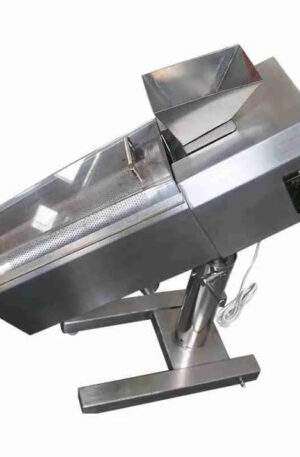
Table press machines are essential in the manufacturing of tablets. These machines compress powdered ingredients into solid tablets of consistent size and weight. By applying appropriate pressure and controlling the parameters of the process, table press machines contribute to the uniformity and quality of the tablets produced. Modern table press machines come equipped with advanced features such as automated controls and data monitoring systems to enhance productivity and accuracy in tablet production.

On the other hand, capsule filling machines are widely used in the pharmaceutical industry for the encapsulation of powders, pellets, or liquids. These machines efficiently fill empty capsules with precise amounts of the active pharmaceutical ingredients, excipients, and other components required for the medication. Capsule filling machines are designed to ensure accurate dosing, minimize wastage, and maintain the integrity of the filled capsules throughout the production process.

The TDP and THDP are crucial in the quality control and assurance of tablet production. The Tablet Press Machine (TDP) is used to measure the hardness and thickness of tablets to ensure they meet the required standards for dissolution and absorption in the body. It helps pharmaceutical companies maintain consistency in tablet characteristics and performance. On the other hand, the Tablet Hardness Tester (THDP) checks the hardness of tablets to prevent issues such as capping, chipping, or breaking during handling and packaging.

In conclusion, pharmaceutical machinery such as the table press machine, capsule filling machine, TDP, and THDP play indispensable roles in the pharmaceutical manufacturing process. These machines not only ensure the efficient production of high-quality medications but also contribute to the safety and effectiveness of the healthcare products that reach the consumers. With advancements in technology and automation, the pharmaceutical industry continues to rely on these essential machines for innovation and progress in healthcare delivery.

Word count: 317

“The Evolution of Pharmaceutical Machinery: Advancements and Innovations”

Title: “The Evolution of Pharmaceutical Machinery: Advancements and Innovations”

With the rapid progress in the pharmaceutical industry, the evolution of pharmaceutical machinery has played a pivotal role in revolutionizing drug manufacturing processes. Among the diverse range of pharmaceutical machinery, the table press machine and capsule filling machine stand out as crucial components in the production of solid dosage forms.

The table press machine, often referred to as a tablet press, is a mechanical device that compresses powder into tablets of uniform size and weight. Over the years, advancements in table press technology have led to the development of high-speed and high precision machines capable of producing thousands of tablets per hour. The introduction of features such as adjustable compression forces and automated controls has significantly improved the efficiency and quality of tablet production.

Similarly, the capsule filling machine has undergone significant innovations to meet the growing demand for capsule dosage forms. These machines are designed to fill empty gelatin capsules with the desired quantity of active pharmaceutical ingredients. Traditional capsule filling machines required manual labor for filling and removal of capsules, but modern machines, such as the TDP (Tablet Deduster and Polisher) and THDP (Tablet Hardness Tester and Sorter), are equipped with automated systems that streamline the filling process and ensure accurate dosage.

The TDP machine plays a critical role in the post-production phase by removing excess powder and polishing the tablets to enhance their appearance. By eliminating dust and debris, the TDP machine improves the overall quality and aesthetic appeal of the tablets, ensuring they meet regulatory standards for pharmaceutical products.

On the other hand, the THDP machine is essential for quality control, as it measures the hardness of tablets and sorts them based on predetermined criteria. Tablets with inconsistent hardness levels can lead to issues such as improper dissolution rates and reduced efficacy. The THDP machine helps pharmaceutical manufacturers maintain product quality by identifying and segregating tablets that do not meet the required specifications.

In conclusion, the evolution of pharmaceutical machinery, particularly in the development of table press and capsule filling machines, has significantly advanced the efficiency, precision, and quality of drug manufacturing processes. The incorporation of innovative technologies such as the TDP and THDP machines has propelled the pharmaceutical industry towards higher standards of production and quality control, ultimately benefiting both manufacturers and consumers alike.

Title: The Evolution of Pharmaceutical Machinery: A Comprehensive Overview

The Evolution of Pharmaceutical Machinery: A Comprehensive Overview

Pharmaceutical machinery plays a crucial role in the manufacturing process of medications, ensuring efficiency, accuracy, and safety in drug production. Over the years, advancements in technology have led to significant developments in pharmaceutical machinery, revolutionizing the way medications are produced. In this article, we will explore the evolution of pharmaceutical machinery, focusing on key equipment such as table press machines, capsule filling machines, TDP (Tablet Press Machine), and THDP (Tablet Hardness Testing Machine).

Table press machines are essential equipment used in the pharmaceutical industry for compressing powder into solid tablets. These machines have evolved significantly over the years, with modern table press machines incorporating advanced features such as automatic feeding systems, adjustable compression settings, and touchscreen controls. This evolution has led to increased efficiency and precision in tablet production, allowing pharmaceutical manufacturers to meet the growing demand for medications.

Similarly, capsule filling machines have undergone significant advancements in recent years. These machines are used to fill empty capsules with precise amounts of drug powder or pellets. Modern capsule filling machines are equipped with high-speed filling mechanisms, automatic capsule alignment systems, and quality control sensors to ensure accurate and consistent filling. The evolution of capsule filling machines has not only improved production efficiency but also enhanced the quality and uniformity of capsules, meeting stringent regulatory requirements.

In the realm of tablet production, TDP (Tablet Press Machine) and THDP (Tablet Hardness Testing Machine) play vital roles in ensuring the quality and durability of tablets. TDP machines are used to compress powder into tablets of uniform size and weight, while THDP machines are utilized to test the hardness and friability of tablets to assess their strength and durability. The evolution of TDP and THDP machines has led to the development of automated systems with precise control over compression force and tablet hardness, enhancing the quality control processes in tablet manufacturing.

In conclusion, the evolution of pharmaceutical machinery, including table press machines, capsule filling machines, TDP, and THDP, has transformed the drug manufacturing industry. The advancements in technology have not only improved production efficiency and accuracy but also enhanced the quality and consistency of medications. As pharmaceutical manufacturers continue to innovate and adopt new technologies, the future of pharmaceutical machinery holds great promise in meeting the evolving needs of the healthcare industry.

“The Evolution of Pharmaceutical Machinery: Innovations Shaping the Future of Drug Manufacturing”

Title: “The Evolution of Pharmaceutical Machinery: Innovations Shaping the Future of Drug Manufacturing”

Pharmaceutical machinery has undergone significant developments over the years, revolutionizing the way drugs are manufactured. Two key innovations that have played a crucial role in this evolution are the table press machine and the capsule filling machine.

The table press machine, also known as a tablet press or pill press, is a vital piece of equipment in pharmaceutical manufacturing. It is used to compress powdered ingredients into tablets or pills of precise sizes and shapes. The evolution of table press machines has led to the development of advanced models such as the TDP (Tablet Press) and THDP (Tablet Hardness Tester), which offer enhanced efficiency, accuracy, and control in the tablet production process. These machines have enabled pharmaceutical companies to scale up production while ensuring product quality and consistency.

On the other hand, the capsule filling machine is another essential tool in drug manufacturing. This machine is used to fill empty capsules with powders, pellets, or liquids to create dosage forms for oral administration. The advancements in capsule filling technology have led to the introduction of innovative features such as automatic capsule filling, high-speed production capabilities, and customizable filling options. Pharmaceutical manufacturers rely on capsule filling machines like the TDP series to streamline their production processes and meet the growing demand for medication.

The integration of advanced technologies such as automation, robotics, and data analytics has further propelled the evolution of pharmaceutical machinery. Modern table press and capsule filling machines are equipped with digital controls, real-time monitoring systems, and data recording functionalities to optimize production efficiency and quality control. These technological advancements enable pharmaceutical manufacturers to minimize human error, reduce processing time, and enhance overall productivity.

Looking ahead, the future of drug manufacturing will be shaped by continuous innovation in pharmaceutical machinery. Manufacturers are investing in research and development to create more advanced, user-friendly, and environmentally sustainable machines. The industry is moving towards smart manufacturing practices that leverage artificial intelligence and machine learning to predict and prevent production issues. As a result, the pharmaceutical sector is poised to benefit from increased efficiency, cost savings, and product quality.

In conclusion, the evolution of pharmaceutical machinery, particularly table press and capsule filling machines, is driving the transformation of drug manufacturing processes. With advancements such as the TDP and THDP machines, pharmaceutical companies can produce medications more efficiently, accurately, and reliably than ever before. By embracing innovative technologies and smart manufacturing practices, the industry is setting new standards for quality and efficiency in drug production.

(Word count: 399)

“The Role of Pharmaceutical Machinery in Modern Drug Manufacturing”

Title: “The Role of Pharmaceutical Machinery in Modern Drug Manufacturing”

In the realm of pharmaceutical manufacturing, the utilization of advanced machinery plays a crucial role in ensuring efficiency, accuracy, and safety throughout the drug production process. Among the diverse array of pharmaceutical machinery available, two key devices stand out for their significance: the table press machine and the capsule filling machine.

Table press machines, such as the TDP (Tablet Press Machine) or the THDP (Tablet and Hard Capsule Pills Pressing Machine), are integral components of drug manufacturing operations. These machines are designed to compress powdered ingredients into solid tablets of precise size and weight. By exerting controlled pressure and utilizing die and punch sets, table press machines enable pharmaceutical companies to produce a large volume of uniform tablets efficiently.

On the other hand, capsule filling machines are essential for the encapsulation of powders, granules, or other drug formulations into capsules. These machines automate the process of filling empty capsules with the desired dosage of medication, sealing them to create a complete and ready-to-use dosage form. Capsule filling machines come in various types, including manual, semi-automatic, and fully automatic models, allowing for flexibility in production scale and output.

The TDP and THDP machines, as part of the table press machine category, excel in their ability to ensure accurate dosing and consistent tablet quality. These machines are equipped with advanced features such as adjustable compression settings, automatic ejection systems, and real-time monitoring capabilities, enhancing overall manufacturing precision and efficiency.

Similarly, capsule filling machines offer a range of benefits to pharmaceutical manufacturers. By automating the capsule filling process, these machines reduce the risk of human error, improve dosage accuracy, and increase production output. The use of capsule filling machines also allows for the customization of capsule size, shape, and filling capacity, catering to the specific needs of different drug formulations.

Overall, the integration of table press and capsule filling machines in modern pharmaceutical manufacturing facilities has revolutionized the drug production landscape. With their advanced technology, precision-engineered components, and user-friendly interfaces, these machines streamline operations, ensure product quality, and uphold regulatory standards in the pharmaceutical industry.

In conclusion, the table press machine and capsule filling machine play pivotal roles in modern drug manufacturing, offering pharmaceutical companies the means to produce high-quality tablets and capsules efficiently and reliably. With continuous advancements in machinery technology, the future of pharmaceutical manufacturing holds promise for further innovation and optimization in drug production processes.

Word Count: 366

“The Role of Pharmaceutical Machinery in Modern Medicine Manufacturing”

Title: The Role of Pharmaceutical Machinery in Modern Medicine Manufacturing

In the realm of pharmaceutical manufacturing, the utilization of advanced equipment and machinery plays a crucial role in ensuring the efficiency, precision, and safety of the drug production process. Among the various types of pharmaceutical machinery, the table press machine and capsule filling machine are two prominent devices that have revolutionized the way medicines are manufactured.

The table press machine, also known as a tablet press, is an essential piece of equipment used for the compression of powdered ingredients into solid tablets or pills. This machine operates by exerting high pressure on the powder mixture, forcing it into the desired shape and size. Table press machines come in different variations, such as single punch, rotary, and multi-station presses, each offering unique advantages in terms of production capacity and tablet quality.

On the other hand, the capsule filling machine is designed to encapsulate powdered or liquid medication into gelatin or vegetable-based capsules. This machine automates the process of filling and sealing capsules, ensuring precise dosage delivery and minimizing human error. Capsule filling machines are available in different models, including manual, semi-automatic, and fully automatic machines, catering to the varying production needs of pharmaceutical companies.

Two widely used models of table press machines are TDP (Tablet Press) and THDP (High-speed Tablet Press). TDP machines are compact and cost-effective, ideal for small to medium-scale production of tablets. They offer versatility in terms of customization options and are suitable for producing tablets of varying shapes and sizes. In contrast, THDP machines are high-speed presses capable of producing a large volume of tablets at a rapid rate. These machines are equipped with advanced features such as automatic feeding systems and real-time monitoring for enhanced efficiency and productivity.

The integration of table press machines and capsule filling machines in pharmaceutical manufacturing has significantly streamlined the drug production process, leading to improved quality control, reduced wastage, and increased production output. By leveraging the capabilities of these advanced machinery, pharmaceutical companies can meet the growing demands of the market while ensuring product consistency and compliance with regulatory standards.

In conclusion, the role of pharmaceutical machinery, such as table press machines and capsule filling machines, is indispensable in modern medicine manufacturing. These cutting-edge devices not only enhance production efficiency and output but also contribute to the safety and efficacy of the medications delivered to patients worldwide. Embracing technological advancements in pharmaceutical machinery is essential for staying competitive in the dynamic landscape of the pharmaceutical industry.

(Word count: 399)

“The Role of Pharmaceutical Machinery in Modern Medicine Manufacturing”

Title: “The Role of Pharmaceutical Machinery in Modern Medicine Manufacturing”

Pharmaceutical machinery plays a crucial role in the production of medicines that are essential for maintaining public health. Among the variety of machinery used in pharmaceutical manufacturing, table press machines and capsule filling machines are two indispensable tools.

Table press machines, such as the Tablet Press (TDP) and Tablet Hardness Tester (THDP), are widely used in the pharmaceutical industry to produce tablets of various shapes and sizes. The TDP is designed to compress powdered ingredients into solid tablets, ensuring uniformity and consistency in dosage. Meanwhile, the THDP measures the hardness of tablets to ensure that they can withstand handling and transportation without breaking or crumbling. These machines streamline the tablet manufacturing process and improve the overall quality of the final product.

On the other hand, capsule filling machines are essential for encapsulating powders, pellets, or liquids into capsules for oral administration. These machines automate the process of filling and sealing capsules, increasing production efficiency and reducing the risk of contamination. Capsule filling machines come in various models, including manual, semi-automatic, and fully automatic, to meet the diverse needs of pharmaceutical manufacturers.

In the pharmaceutical industry, the choice of machinery can significantly impact the quality, speed, and cost-effectiveness of medicine production. Modern pharmaceutical machinery, such as table press machines and capsule filling machines, incorporates advanced technologies to ensure precision, accuracy, and compliance with regulatory standards. By investing in high-quality machinery, pharmaceutical companies can increase their productivity, improve product quality, and meet the growing demand for medications worldwide.

In conclusion, pharmaceutical machinery, including table press machines and capsule filling machines, plays a vital role in modern medicine manufacturing. These advanced machines enable pharmaceutical companies to produce high-quality tablets and capsules efficiently, meeting the needs of patients and healthcare providers. As the pharmaceutical industry continues to evolve, the demand for innovative and reliable machinery will only increase, driving advancements in medicine production and ultimately benefiting global public health.

“The Role of Pharmaceutical Machinery in Modern Medicinal Production”

Title: “The Role of Pharmaceutical Machinery in Modern Medicinal Production”

In the modern pharmaceutical industry, the utilization of advanced machinery plays a crucial role in the efficient and precise production of medicines. Among the various types of pharmaceutical machinery, table press machines and capsule filling machines are two essential pieces of equipment that significantly impact the manufacturing process.

Table press machines, often referred to as tablet presses, are used to compress powdered ingredients into tablet form. These machines come in different types, including Single Punch Tablet Presses and Rotary Tablet Presses. The Single Punch Tablet Press, such as the TDP (Tablet Press), is capable of producing single tablets at a time, making it ideal for small-scale production. On the other hand, the Rotary Tablet Press, like the THDP (Triple Head Tablet Press), can produce a larger volume of tablets at a faster rate, making it suitable for mass production.

Capsule filling machines are another vital pharmaceutical machinery used to efficiently fill empty capsule shells with the desired medicine in powder or pellet form. These machines help ensure accurate dosing and uniformity in the content of each capsule. Different types of capsule filling machines, such as manual capsule fillers and automatic capsule fillers, cater to varying production needs. The advancement of technology has led to the development of more sophisticated capsule filling machines that offer higher precision and productivity.

The integration of table press machines and capsule filling machines into the pharmaceutical production process has revolutionized the way medicines are manufactured. These machines not only enhance efficiency and accuracy but also improve the overall quality of the end products. The precise control and automation capabilities of modern pharmaceutical machinery have significantly reduced the risk of human error and contamination in the production process.

Furthermore, the use of TDP and THDP machines in tablet production and advanced capsule filling machines in capsule production has enabled pharmaceutical companies to meet the increasing demand for various types of medications. These machines are designed to comply with strict regulatory standards and are crucial in ensuring the safety and efficacy of pharmaceutical products.

In conclusion, pharmaceutical machinery, such as table press machines and capsule filling machines, plays a pivotal role in modern medicinal production. The technological advancements in these machines have revolutionized the pharmaceutical industry by improving production efficiency, accuracy, and product quality. As the demand for pharmaceutical products continues to rise, the importance of these machines in ensuring the safe and reliable manufacturing of medicines cannot be overstated.

Title: “Revolutionizing the Pharmaceutical Industry: The Role of Pharma Machinery” Article Content: Introduction: Pharmaceutical machinery plays a crucial role in the manufacturing process of pharmaceutical products. With advancements in technology and increasing demand for quality medicines, the pharmaceutical industry heavily relies on efficient and innovative pharma machinery. In this article, we will explore the significance of pharmaceutical machinery in the industry and how it is revolutionizing drug manufacturing processes. Role of Pharma Machinery in the Pharmaceutical Industry: Pharmaceutical machinery encompasses a wide range of equipment used in various stages of drug production, such as mixing, granulation, tablet pressing, coating, and packaging. These machines are designed to ensure precision, efficiency, and compliance with regulatory standards. For instance, high-speed tablet presses can produce a large volume of tablets in a short period, while blister packaging machines help ensure the safety and integrity of the final product. Advancements in Pharma Machinery: Recent years have witnessed significant advancements in pharmaceutical machinery, driven by technological innovations and the need for higher productivity and quality. Automated systems, robotics, and artificial intelligence are being integrated into pharma machinery to enhance accuracy, speed, and reliability in drug manufacturing processes. For example, robotic arms are used in handling and transporting delicate pharmaceutical components, reducing the risk of contamination and human error. Impact on Drug Quality and Safety: The use of advanced pharma machinery has a direct impact on the quality and safety of pharmaceutical products. By ensuring precise control over production parameters, such as temperature, pressure, and mixing speed, these machines help maintain the consistency and efficacy of drugs. Moreover, automated inspection systems can detect defects or discrepancies in the product, reducing the risk of recalls and ensuring compliance with regulatory standards. Future Trends in Pharma Machinery: Looking ahead, the future of pharmaceutical machinery is poised for further innovation and development. Emerging technologies, such as 3D printing and continuous manufacturing, are reshaping the way drugs are produced, offering benefits such as flexibility, scalability, and reduced costs. The integration of data analytics and machine learning in pharma machinery is also expected to improve process optimization and predictive maintenance, leading to more efficient and sustainable drug manufacturing. Conclusion: In conclusion, pharmaceutical machinery plays a pivotal role in the pharmaceutical industry by enabling efficient, safe, and high-quality drug manufacturing processes. With ongoing advancements and innovations, pharma machinery is revolutionizing the way drugs are produced, ensuring compliance with regulatory standards and meeting the growing demand for innovative medicines. The future of pharmaceutical machinery holds exciting possibilities for enhancing productivity, quality, and sustainability in the industry.

Title: “Revolutionizing the Pharmaceutical Industry: The Role of Pharma Machinery”

Pharmaceutical machinery is at the forefront of revolutionizing the pharmaceutical industry by enhancing the efficiency, quality, and safety of drug manufacturing processes. Key machines such as tablet press machines and capsule filling machines play a vital role in the production of pharmaceutical products, ensuring precise dosing, uniformity, and compliance with regulatory standards.

Tablet press machines, such as the TDP (Tablet Press Machine) and THDP (Tablet Hardness Tester Machine), are integral to the manufacturing of tablets, one of the most commonly used dosage forms in the pharmaceutical industry. These machines are designed to compress powdered ingredients into solid tablets of consistent size, shape, and weight. The TDP machine, for example, utilizes punches and dies to exert pressure on the powder mixture, forming tablets with precise dosages. On the other hand, the THDP machine measures the hardness of the tablets to ensure they meet the required specifications for dissolution and bioavailability.

Capsule filling machines are another essential pharmaceutical machinery used in the production of capsules, which are preferred by patients who have difficulty swallowing tablets or require customized dosages. These machines automate the process of filling empty capsule shells with powdered or granulated medication, providing accurate dosing and reducing the risk of human error. By streamlining the encapsulation process, capsule filling machines enhance production efficiency and ensure uniformity in dosages across batches.

The advancement of pharmaceutical machinery, including tablet press machines and capsule filling machines, has led to significant improvements in drug quality and safety. These machines enable pharmaceutical companies to maintain strict control over production parameters, such as compression force, fill weight, and disintegration time, resulting in consistent and reliable drug products. Automated inspection systems integrated into these machines further enhance quality control by detecting any defects or deviations in the tablets or capsules before they reach the market.

Looking towards the future, the pharmaceutical industry is expected to witness continued innovation and evolution in pharma machinery. The adoption of smart technologies, such as Internet of Things (IoT) and artificial intelligence, is driving the development of intelligent machines capable of real-time monitoring, predictive maintenance, and adaptive manufacturing processes. Additionally, the integration of continuous manufacturing techniques with tablet press and capsule filling machines is set to revolutionize the production of pharmaceutical products, offering benefits such as reduced waste, improved scalability, and faster time-to-market.

In conclusion, pharmaceutical machinery, including tablet press machines and capsule filling machines, plays a crucial role in revolutionizing the pharmaceutical industry by ensuring efficient, safe, and high-quality drug manufacturing processes. As technology continues to advance, these machines will continue to drive innovation, improving productivity, precision, and compliance in the production of pharmaceutical products. The future of pharma machinery holds immense potential for shaping the future of drug manufacturing and meeting the evolving needs of the industry and patients.

“The Role of Pharmaceutical Machinery in Modern Drug Manufacturing”

Title: “The Role of Pharmaceutical Machinery in Modern Drug Manufacturing”

In the realm of pharmaceutical manufacturing, the utilization of advanced machinery plays a pivotal role in ensuring the efficiency, accuracy, and safety of drug production processes. Key among these machinery are the table press machine, capsule filling machine, and the evolution from TDP to THDP machines.

The table press machine is an essential piece of equipment in the pharmaceutical industry, facilitating the compression of powder formulations into solid dosage forms such as tablets or pills. This machine exerts precise pressure to create tablets of uniform shape, size, and weight, ensuring consistency in dosing for patients. Its automated functions enhance productivity and minimize human error, making it a cornerstone of modern drug manufacturing processes.

Similarly, the capsule filling machine holds significant importance in pharmaceutical production by allowing for the encapsulation of medications in a convenient and easily consumable form. This machine automates the process of filling empty gelatin capsules with the desired drug formulation, ensuring accurate dosage and reducing the risk of cross-contamination. By streamlining the encapsulation process, capsule filling machines contribute to the efficiency of pharmaceutical manufacturing while maintaining product quality standards.

In recent years, the pharmaceutical industry has witnessed advancements in tableting technology with the introduction of TDP (Tablet Press) machines and the subsequent evolution to THDP (High-Speed Tablet Press) machines. TDP machines are known for their reliability and versatility in producing tablets, while THDP machines have further revolutionized the process by increasing production speeds and output capacities. The transition from TDP to THDP machines signifies a shift towards enhanced efficiency and productivity in drug manufacturing, meeting the demand for large-scale production while upholding strict quality control measures.

Overall, the integration of pharmaceutical machinery such as table press machines, capsule filling machines, and advancements from TDP to THDP technology has significantly transformed the landscape of drug manufacturing. These machines form the backbone of modern pharmaceutical production facilities, enabling cost-effective, high-quality, and streamlined processes from formulation to final product. As the industry continues to innovate and adapt to evolving needs, the role of pharmaceutical machinery remains instrumental in driving efficiency and excellence in drug manufacturing operations.