Title: Modern Pharmaceutical Machinery: Revolutionizing Drug Production
Pharmaceutical manufacturing has undergone significant advancements over the years, with the introduction of cutting-edge machinery revolutionizing the way drugs are produced. In particular, the use of table press machines and capsule filling machines has played a crucial role in streamlining the drug manufacturing process and ensuring the efficient delivery of medications to patients worldwide.
Tablet press machines, commonly referred to as TDP machines (Tablet Press Direct), are essential equipment in the pharmaceutical industry. These machines are used to compress powdered ingredients into tablets of uniform size and shape. TDP machines offer precise control over the compression force, tablet thickness, and weight, ensuring high-quality tablet production. With the ability to produce a large volume of tablets in a short period, TDP machines have significantly increased the manufacturing efficiency of pharmaceutical companies.
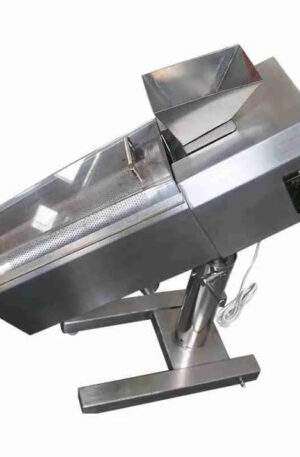
On the other hand, capsule filling machines, such as the THDP (Tablet Hardness and Diameter Tester), have become indispensable in the pharmaceutical manufacturing process. These machines automate the process of filling empty capsule shells with powdered or granulated medications, eliminating potential errors and inconsistencies associated with manual filling. The THDP machine ensures consistent filling weights and capsule dimensions, resulting in uniform dosing and improved drug efficacy.
The integration of advanced technologies, such as programmable logic controllers (PLCs) and computerized systems, has further enhanced the capabilities of pharmaceutical machinery. PLCs enable automated control of various parameters, such as compression force, speed, and dwell time, ensuring precise tablet production according to specific formulations. Additionally, the use of computerized systems allows for real-time monitoring of production processes, facilitating quick adjustments and minimizing production downtime.
Furthermore, the adoption of innovative materials and designs in pharmaceutical machinery has improved the hygiene standards and durability of equipment. Stainless steel construction, smooth surfaces, and easy-to-clean components reduce the risk of contamination and ensure compliance with strict regulatory requirements. The ergonomic design of modern pharmaceutical machinery also enhances operator safety and comfort during operation, ultimately contributing to a safer working environment.
In conclusion, the utilization of table press machines, capsule filling machines, and other advanced pharmaceutical machinery has revolutionized drug production in the modern era. These machines offer precision, efficiency, and quality control, ultimately leading to the consistent manufacture of high-quality medications for patients worldwide. As technology continues to advance, the pharmaceutical industry can expect further innovations in machinery that will shape the future of drug manufacturing.