Title: “Revolutionizing Pharmaceutical Manufacturing: The Role of Pharmaceutical Machinery”
In the fast-paced world of pharmaceutical manufacturing, the use of advanced machinery has become the cornerstone of efficiency and precision. Among the various types of equipment used in pharmaceutical production, the table press machine and capsule filling machine stand out as essential tools for ensuring quality and consistency in drug formulation.
Tablet press machines, also known as tablet compression machines, are at the forefront of pharmaceutical manufacturing. These machines are used to compress powder formulations into solid tablets of precise weights and dimensions. The evolution of tablet press machines has seen the development of innovative features such as automated systems, interchangeable tooling, and real-time monitoring capabilities. These advancements have not only increased production speed but have also improved the uniformity and quality of the tablets produced.
In recent years, the introduction of rotary tablet press machines, such as the TDP series and THDP series, has revolutionized tablet production. These machines offer higher production capacities and greater flexibility in terms of tablet design and formulation. The TDP series, for example, is renowned for its compact size, ease of operation, and ability to produce a wide range of tablet sizes and shapes. On the other hand, the THDP series is favored for its high-speed production capabilities and exceptional output quality. Both series have set new standards for efficiency and precision in tablet manufacturing.
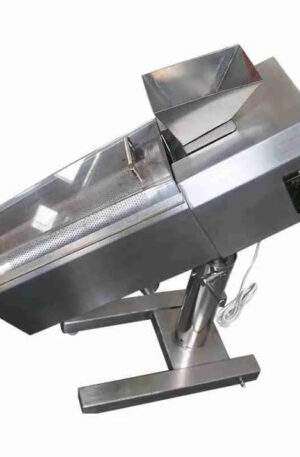
Similarly, capsule filling machines play a vital role in pharmaceutical production, especially in the manufacturing of oral solid dosage forms. These machines automate the process of filling empty gelatin or HPMC capsules with powdered or granulated formulations. Like tablet press machines, capsule filling machines have evolved to incorporate advanced features such as automatic capsule orientation, precision dosing, and high-speed production rates. The introduction of electronic capsule filling machines has further improved accuracy and efficiency in capsule filling operations.
The integration of table press machines and capsule filling machines in pharmaceutical manufacturing reflects a commitment to innovation and continuous improvement. By leveraging the capabilities of these advanced machinery, pharmaceutical companies can streamline their production processes, reduce waste, and ensure the consistency and quality of their products. As the demand for pharmaceuticals continues to grow, the role of pharmaceutical machinery will only become more crucial in meeting industry standards and regulatory requirements.
In conclusion, the evolution of pharmaceutical machinery, particularly table press machines and capsule filling machines, has transformed the landscape of pharmaceutical manufacturing. From the precision and efficiency of tablet compression to the automated filling of capsules, these machines are driving the industry towards greater productivity and quality assurance. As technology continues to advance, pharmaceutical companies can look forward to further innovations in machinery that will redefine the way drugs are produced, benefiting both manufacturers and consumers alike.