Title: Revolutionizing Pharmaceutical Manufacturing: The Role of Pharmaceutical Machinery
In the fast-paced world of pharmaceutical manufacturing, technological advancements in machinery have played a crucial role in streamlining production processes and improving efficiency. Two key pieces of equipment that have revolutionized this industry are the table press machine and capsule filling machine.
Tablet press machines, commonly referred to as TDP machines, have become an essential tool in the pharmaceutical manufacturing process. These machines are designed to compress powdered ingredients into tablet form with precision and consistency. The TDP machine applies pressure to the powdered mixture, compacting it into a solid tablet shape. This process not only ensures uniformity in tablet weight and dimensions but also enhances the overall quality and performance of the final product.
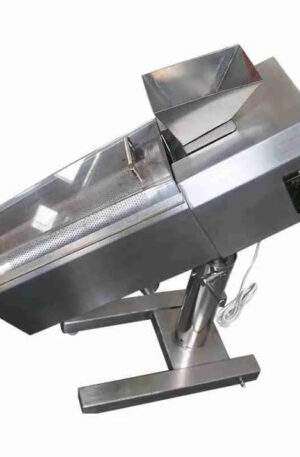
On the other hand, capsule filling machines, including the popular T-HDP model, offer a versatile solution for encapsulating pharmaceutical formulations. These machines automate the process of filling empty capsules with precise amounts of powdered or liquid medication. By eliminating manual labor and reducing the risk of human error, capsule filling machines enhance productivity and accuracy in pharmaceutical production facilities.
The evolution of pharmaceutical machinery, specifically the advancements in table press and capsule filling technology, has significantly impacted the industry in several ways. Firstly, these machines have led to increased production efficiency, allowing pharmaceutical companies to meet growing demands for medications on a larger scale. The automated operation of these machines reduces the time and labor required for manufacturing, resulting in higher output and cost savings for manufacturers.
Moreover, the use of table press and capsule filling machines has improved the quality control standards in pharmaceutical manufacturing. By ensuring uniformity and consistency in tablet and capsule production, these machines help reduce variability in dosages and minimize the risk of product defects. This, in turn, enhances the safety and efficacy of pharmaceutical products, ultimately benefiting patients who rely on these medications for their health and well-being.
In conclusion, the integration of advanced pharmaceutical machinery such as table press and capsule filling machines has revolutionized the way medications are manufactured and distributed. The precision, efficiency, and quality control capabilities of these machines have propelled the pharmaceutical industry forward, setting new standards for productivity and product excellence. As technology continues to advance, we can expect further innovations in pharmaceutical machinery that will drive continuous improvement in drug manufacturing processes and ultimately contribute to better healthcare outcomes for patients worldwide.