Title: Revolutionizing Pharmaceutical Production: The Role of Pharmaceutical Machinery
In the dynamic world of pharmaceutical production, the use of advanced machinery plays a pivotal role in streamlining processes and ensuring the quality and efficiency of drug manufacturing. Among the various types of pharmaceutical machinery, table press machines and capsule filling machines stand out as indispensable tools in the production line.
Table press machines, such as TDP (Tablet Press Machine) and THDP (High-Speed Tablet Press Machine), are essential in the process of transforming pharmaceutical powders or granules into compressed tablets. These machines operate by exerting precise amounts of pressure to compact the raw materials into the desired tablet form. The efficiency and accuracy of table press machines significantly impact the quality and uniformity of the final product. With the advancements in technology, modern table press machines are equipped with features like automatic feeding systems, adjustable compression settings, and real-time monitoring capabilities, enhancing production speed and consistency.
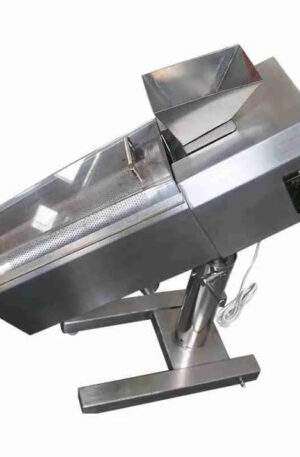
On the other hand, capsule filling machines play a crucial role in the encapsulation process, where pharmaceutical powders or formulations are enclosed within gelatin or vegetable-based capsules. These machines automate the filling, sealing, and polishing of capsules, ensuring accurate dosing and minimal wastage of materials. The evolution of capsule filling machines has seen the integration of high-speed functionalities, precision dosing mechanisms, and quality control systems, allowing manufacturers to produce large quantities of capsules with enhanced productivity and adherence to regulatory standards.
The utilization of table press machines and capsule filling machines in pharmaceutical production has revolutionized the industry by offering numerous benefits. Firstly, these machines enable manufacturers to achieve higher production outputs and meet the growing demands for pharmaceutical products efficiently. The automation and precision of these machines result in consistent product quality and uniformity, reducing the risk of errors and rejections in the production process. Moreover, the advanced features of modern pharmaceutical machinery, such as data recording and remote monitoring capabilities, enhance operational transparency and compliance with regulatory requirements.
In conclusion, the adoption of table press machines and capsule filling machines in pharmaceutical production has transformed the way drugs are manufactured, ensuring precision, efficiency, and quality throughout the production process. As technology continues to advance, the role of pharmaceutical machinery will remain paramount in driving innovation and meeting the evolving needs of the pharmaceutical industry. The synergy between human expertise and technological advancements in pharmaceutical machinery sets the stage for a future of enhanced drug development and production capabilities.
Word Count: 388