Title: “Revolutionizing Pharmaceutical Production: The Role of Pharmaceutical Machinery”
In the dynamic and fast-paced world of pharmaceuticals, technological advancements have significantly influenced the way medicines are produced. Central to this transformation are sophisticated machines that have revolutionized the manufacturing process, enhancing efficiency, precision, and quality. Among these vital machines are the table press machine and the capsule filling machine, with the TDP and THDP models standing out as key players in modern pharmaceutical production.
The table press machine is an indispensable piece of equipment used in the pharmaceutical industry for compressing powder into tablets of various shapes and sizes. This machine utilizes mechanical or hydraulic pressure to compact the powdered ingredients, ensuring uniformity and consistency in each tablet produced. The TDP (Tablet Press) machine is widely recognized for its reliability and performance in high-volume tablet production. It is equipped with advanced features such as automatic feeding systems, punch and die sets, and quality control mechanisms to guarantee precise tablet formation.
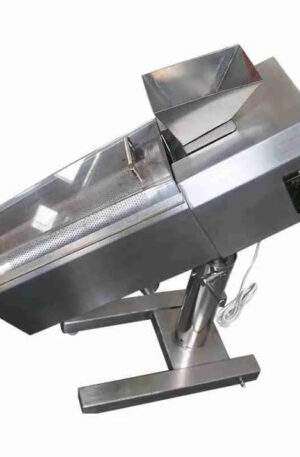
In parallel, the capsule filling machine plays a crucial role in the encapsulation of pharmaceutical formulations. This machine automates the process of filling empty gelatin capsules with the desired medication, enabling efficient production and dosage control. The THDP (Automatic Capsule Filling Machine) model, in particular, is renowned for its speed and accuracy in filling capsules with precise amounts of active ingredients. With adjustable filling mechanisms and advanced technology, the THDP ensures uniform dosages and minimizes wastage, making it an essential asset for pharmaceutical manufacturers.
The integration of these advanced pharmaceutical machines has revolutionized production processes, offering numerous benefits to manufacturers. Increased production speed and efficiency allow for large-scale manufacturing, meeting growing demands for pharmaceutical products. Furthermore, the precision and accuracy of these machines ensure consistent quality control, reducing the risk of errors and variations in medication dosage. Pharmaceutical companies can now achieve higher levels of productivity and cost-effectiveness, ultimately benefiting both producers and consumers.
Moreover, the advancement of pharmaceutical machinery has paved the way for innovation and development in the industry. Manufacturers can now explore new formulations and delivery methods with confidence, knowing that modern machines can handle complex production requirements. The implementation of cutting-edge technology in pharmaceutical machinery not only streamlines manufacturing processes but also promotes research and development, driving the industry forward in terms of efficiency and effectiveness.
In conclusion, the role of pharmaceutical machinery, particularly the table press machine and capsule filling machine, cannot be overstated in the evolution of pharmaceutical production. The TDP and THDP models exemplify the innovation and sophistication of modern pharmaceutical equipment, facilitating higher productivity, quality assurance, and innovation in drug manufacturing. As technology continues to advance, pharmaceutical machinery will undoubtedly remain at the forefront of enhancing production processes and shaping the future of the pharmaceutical industry.