Title: “Revolutionizing Pharmaceutical Production: The Role of Pharmaceutical Machinery”
In the dynamic landscape of the pharmaceutical industry, technological advancements in machinery have played a pivotal role in streamlining production processes, enhancing efficiency, and ensuring the quality of pharmaceutical products. Among the myriad of machinery utilized in pharmaceutical manufacturing, table press machines and capsule filling machines stand out as key players in shaping the industry’s evolution.
Tablet press machines, commonly referred to as tableting machines, are instrumental in the production of tablets, which are the most widely used dosage form in the pharmaceutical sector. These machines use compression force to compact powdered ingredients into solid tablets of precise weights and dimensions. The Tablet press machines come in various types, including single-punch, multi-station, and rotary tablet presses. Their versatility, speed, and accuracy make them indispensable in mass production processes.
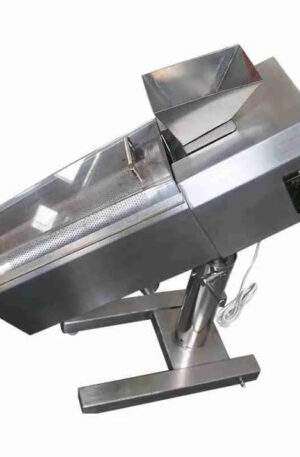
On the other hand, capsule filling machines automate the process of filling empty gelatin or vegetarian capsules with powdered, granulated, or liquid ingredients to create finished dosage forms. The machines ensure uniformity in dosage levels, improve product stability, and increase production output. The two main types of capsule filling machines are the TDP (Tablet Deduster Press) and THDP (Three Head Dosator) machines. TDP machines combine tablet dedusting and pressing functions in one unit, streamlining the manufacturing process and reducing manual handling. THDP machines, on the other hand, offer high-precision dosing capabilities, making them ideal for filling potent or costly medications.
The evolution of pharmaceutical machinery, particularly in the areas of table press machines and capsule filling machines, has led to significant improvements in production efficiency, product quality, and regulatory compliance. The integration of automation, computerization, and advanced monitoring systems has revolutionized pharmaceutical manufacturing, reducing human error, minimizing production downtime, and optimizing resource utilization.
Furthermore, the adoption of innovative technologies such as AI (Artificial Intelligence), IoT (Internet of Things), and machine learning has enabled real-time monitoring of production parameters, predictive maintenance scheduling, and adaptive process control. This proactive approach to machinery management not only ensures continuous operation but also enhances product consistency and regulatory adherence.
In conclusion, the role of table press machines and capsule filling machines in pharmaceutical production cannot be overstated. These technological marvels have not only accelerated production processes but have also elevated the standards of product quality, safety, and efficacy. As the pharmaceutical industry continues to evolve, the synergistic relationship between advancements in pharmaceutical machinery and product innovation will shape the future of healthcare delivery and patient outcomes.