Title: Revolutionizing Pharmaceutical Production: The Role of Pharmaceutical Machinery
Pharmaceutical production is a critical aspect of the healthcare industry, ensuring the timely and efficient delivery of medicines to those in need. In recent years, the advancement of technology in pharmaceutical machinery has revolutionized the way in which medications are manufactured. Two key pieces of equipment that have played a significant role in this revolution are table press machines and capsule filling machines.
Table press machines, such as the Tablet Press TDP series and THDP series, are essential in the production of solid dosage forms like tablets. These machines work by compressing a powdered or granular mixture into a specific shape and size. The TDP series, for example, is known for its efficiency and reliability in producing high-quality tablets at a rapid pace. On the other hand, the THDP series offers enhanced features and capabilities, making it suitable for pharmaceutical companies with more complex production needs.
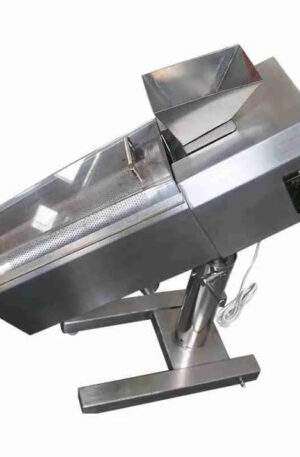
Capsule filling machines have also transformed pharmaceutical production by automating the process of filling capsules with precise dosages of active ingredients. These machines ensure uniformity in dosage and packaging, reducing the risk of human error and contamination. With the ability to fill hundreds of capsules per minute, capsule filling machines have significantly increased the efficiency of pharmaceutical manufacturing processes.
The integration of table press machines and capsule filling machines in pharmaceutical production has not only streamlined operations but also improved the quality and consistency of medications. By automating manual processes and reducing the likelihood of errors, these machines have enhanced the safety and efficacy of pharmaceutical products.
Furthermore, the development of advanced technologies, such as computerized controls and data monitoring systems, has further enhanced the performance of pharmaceutical machinery. These innovations allow for real-time monitoring of production processes, ensuring that machines operate at optimal levels and meet regulatory standards.
In conclusion, the evolution of pharmaceutical machinery, particularly table press machines and capsule filling machines, has revolutionized the way in which medications are produced. The efficiency, precision, and reliability of these machines have significantly improved pharmaceutical manufacturing processes, leading to higher-quality medications and better patient outcomes. As technology continues to advance, the role of pharmaceutical machinery in shaping the future of healthcare remains paramount.