Title: Revolutionizing the Pharmaceutical Industry: The Role of Pharmaceutical Machinery
Pharmaceutical machinery plays a vital role in the production of medications, enabling the pharmaceutical industry to meet the growing demand for safe and effective drugs. Among the various types of pharmaceutical machinery, table press machines and capsule filling machines stand out as crucial tools in the manufacturing process.
Table press machines, such as TDP (Tablet Press Machine) and THDP (Tablet Hardness Testing Machine), are essential for the production of pharmaceutical tablets. These machines compress powdered ingredients into solid tablets of uniform size, shape, and dosage strength. The TDP is widely used for its efficiency in mass production, allowing pharmaceutical companies to meet high production demands while maintaining product quality. On the other hand, THDP plays a vital role in ensuring the hardness and durability of tablets, which are critical factors in delivering medications with consistent efficacy.
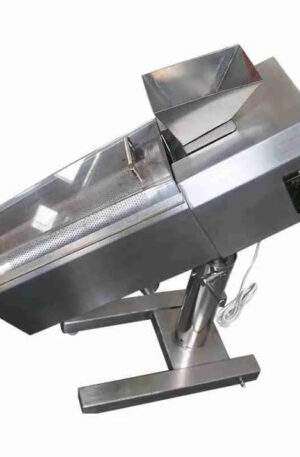
Capsule filling machines are another integral component of pharmaceutical machinery. These machines automate the process of filling empty capsule shells with powdered or liquid medication. By precisely controlling the dosage and fill weight, capsule filling machines help pharmaceutical companies streamline production processes and improve the accuracy of dosage delivery. The efficiency and accuracy of capsule filling machines contribute to the overall quality and safety of pharmaceutical products.
In recent years, technological advancements have led to significant improvements in pharmaceutical machinery. Integrated systems now combine automated processes with sophisticated controls, allowing for greater precision, efficiency, and consistency in drug manufacturing. The use of robotics and artificial intelligence in pharmaceutical machinery has revolutionized production methods, enhancing productivity and reducing the risk of errors.
Moreover, the development of modular and customizable pharmaceutical machinery has enabled companies to adapt to changing production needs and regulatory requirements quickly. Manufacturers can now tailor their machinery to meet specific production demands, ensuring flexibility and scalability in manufacturing operations. This flexibility is particularly crucial in the fast-paced and ever-evolving pharmaceutical industry.
In conclusion, pharmaceutical machinery, including table press machines and capsule filling machines, plays a pivotal role in the pharmaceutical industry’s ability to produce safe and effective medications. With the continuous advancement of technology and innovation in pharmaceutical machinery, companies can improve production processes, ensure product quality, and meet the increasing demands of the global market. As the pharmaceutical industry continues to evolve, the role of pharmaceutical machinery will remain essential in driving innovation and progress in drug manufacturing.