Title: Revolutionizing the Pharmaceutical Industry: The Role of Pharmaceutical Machinery in Drug Production
Pharmaceutical machinery plays a crucial role in the production of drugs, revolutionizing the pharmaceutical industry. Among the key machines that drive this revolution are table press machines and capsule filling machines. These machines are essential in the manufacturing process, enabling pharmaceutical companies to produce high-quality drugs efficiently.
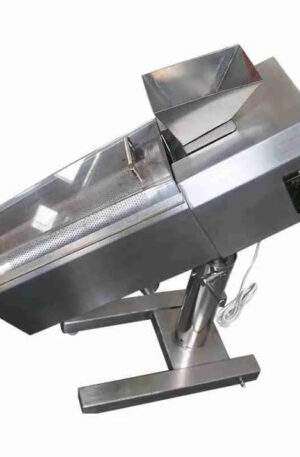
Table press machines, such as TDP (Tablet Press) and THDP (Tablet Hardness Tester), are commonly used in pharmaceutical production. The table press machine is responsible for compressing powdered ingredients into solid tablets. These machines come in various models, each designed to meet specific production needs. The TDP machine, for example, is efficient in producing large quantities of tablets at a fast pace. On the other hand, the THDP machine ensures that the tablets have the right hardness to withstand handling and transportation without breaking.
Capsule filling machines are another critical component of pharmaceutical machinery. These machines are used to fill empty capsules with the desired drug formulation. Capsule filling machines come in different types, including manual, semi-automatic, and automatic machines. Automatic capsule filling machines are highly efficient and can fill hundreds of capsules per minute, significantly increasing production output.
The integration of advanced technologies in pharmaceutical machinery has further enhanced the efficiency and quality of drug production. For example, the development of computer-controlled systems in table press machines and capsule filling machines has improved precision and accuracy in the manufacturing process. These technological advancements have also led to the development of smart machines that can self-adjust to ensure consistent and high-quality drug production.
Moreover, pharmaceutical machinery plays a crucial role in ensuring compliance with regulatory standards in the pharmaceutical industry. Machines such as table press machines and capsule filling machines are designed to meet Good Manufacturing Practices (GMP) guidelines to ensure the safety and efficacy of drugs. By incorporating features such as stainless steel construction, dust extraction systems, and automatic cleaning mechanisms, pharmaceutical machinery helps pharmaceutical companies maintain quality standards and meet regulatory requirements.
In conclusion, pharmaceutical machinery, including table press machines and capsule filling machines, has revolutionized the pharmaceutical industry by enhancing efficiency, precision, and compliance with regulatory standards. These machines play a vital role in the drug production process, enabling pharmaceutical companies to produce high-quality drugs on a large scale. As technology continues to advance, the role of pharmaceutical machinery in drug production will continue to evolve, driving further innovation and improvements in the pharmaceutical industry.