“The Role of Pharmaceutical Machinery in Drug Manufacturing: A Comprehensive Overview”

Title: “The Role of Pharmaceutical Machinery in Drug Manufacturing: A Comprehensive Overview”

Pharmaceutical machinery plays a vital role in the drug manufacturing process, ensuring efficiency, accuracy, and compliance with regulatory standards. Two key machines used in pharmaceutical production are the table press machine and the capsule filling machine. These machines, such as the TDP and THDP models, are essential for producing various forms of medications.

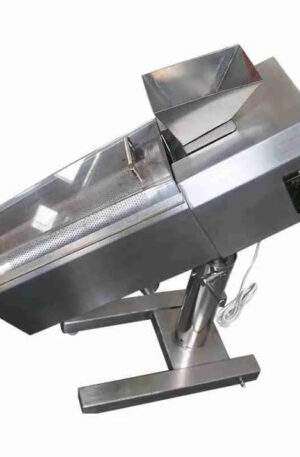
The table press machine is a critical component in the pill manufacturing process. This machine is used to compress powdered ingredients into solid tablets of a specific size and shape. The TDP model, for example, is a popular choice in the pharmaceutical industry due to its reliability and precision in tablet production. It operates by compacting the powdered mixture into a die cavity, creating uniform tablets that meet pharmaceutical quality standards.

On the other hand, the capsule filling machine is used to fill empty capsule shells with powdered, granular, or liquid medication. The THDP capsule filling machine, known for its high-speed performance and accuracy, is commonly used in pharmaceutical production facilities. This machine automates the capsule filling process, ensuring consistent dosing and minimizing the risk of contamination. Pharmacists can adjust the fill weight and capsule size according to the specific medication requirements, allowing for versatility in drug manufacturing.

In drug manufacturing, the table press machine and capsule filling machine play complementary roles in producing a wide range of medications. The table press machine is utilized for solid dosage forms, such as tablets, while the capsule filling machine is ideal for encapsulated products. Together, these machines streamline the production process, reduce manual labor, and enhance efficiency in pharmaceutical manufacturing facilities.

Furthermore, the use of advanced pharmaceutical machinery like the TDP and THDP models ensures compliance with Good Manufacturing Practices (GMP) and regulatory requirements. These machines are designed with safety features to protect operators and maintain product integrity throughout the manufacturing process. Regular maintenance and calibration of pharmaceutical machinery are essential to uphold quality standards and ensure the consistent performance of these vital tools in drug production.

In conclusion, pharmaceutical machinery such as the table press machine and capsule filling machine, including models like TDP and THDP, play a crucial role in drug manufacturing. These machines enable pharmaceutical companies to produce high-quality medications efficiently and in compliance with regulatory standards. By investing in modern pharmaceutical machinery and prioritizing maintenance and calibration, drug manufacturers can optimize production processes and deliver safe and effective medications to consumers worldwide.

“The Role of Pharmaceutical Machinery in Modern Medicine Manufacturing”

Title: “The Role of Pharmaceutical Machinery in Modern Medicine Manufacturing”

Pharmaceutical machinery plays a vital role in the efficient and precise manufacturing of medicines in today’s pharmaceutical industry. Two key pieces of equipment essential for this process are the table press machine and the capsule filling machine. These machines, such as the TDP (Tablet Press) and THDP (Tooling for Tablet Press), are crucial in the production of medicines, ensuring accurate dosages and high-quality pharmaceutical products.

Table press machines, like the TDP, are used to compress powdered ingredients into solid tablets. These machines consist of a hopper to hold the powdered mixture, a turret with multiple dies, and a compression system. The TDP operates by feeding the powder into the dies and compressing it to form tablets of specific sizes and shapes. The precision and efficiency of the table press machine are vital to ensure uniformity in dosage and quality control during the tablet manufacturing process.

On the other hand, capsule filling machines play a key role in encapsulating powdered or granulated medications into capsules. The capsule filling process involves filling the capsules with the correct amount of the medication, sealing them, and sorting them for packaging. Machines like the THDP are designed to streamline this process, ensuring accurate filling and minimizing wastage of materials. The THDP machine is equipped with interchangeable tooling that allows for flexibility in capsule sizes and dosage variations, making it an essential tool in pharmaceutical production.

The integration of advanced technology and automation in pharmaceutical machinery has revolutionized the manufacturing process, enhancing efficiency and product quality. Automated features in table press and capsule filling machines, such as programmable controls and sensors, enable precise monitoring of the manufacturing process, reducing human error and ensuring consistency in product output. Additionally, these machines are designed to meet strict regulatory standards and Good Manufacturing Practices (GMP), ensuring the safety and efficacy of the produced medications.

In conclusion, pharmaceutical machinery, including table press and capsule filling machines like the TDP and THDP, play a crucial role in the modern medicine manufacturing process. These machines are essential for ensuring accurate dosage, quality control, and efficiency in pharmaceutical production. With ongoing technological advancements, pharmaceutical machinery continues to evolve, driving innovation and excellence in the pharmaceutical industry.

“The Role of Pharmaceutical Machinery in Modern Drug Manufacturing”

Title: The Role of Pharmaceutical Machinery in Modern Drug Manufacturing

In modern drug manufacturing, pharmaceutical machinery plays a crucial role in ensuring the efficiency, accuracy, and safety of the production process. Two key pieces of equipment that are essential in the pharmaceutical industry are the table press machine and the capsule filling machine.

Tablet press machines, also known as tablet compression machines, are used to compress powder formulations into tablets of uniform size and weight. These machines utilize various mechanisms such as punches and dies to compact and form the powder into the desired shape. One widely used type of tablet press machine is the TDP (Tablet Deduster Press), which not only compresses the powder but also removes any excess particles to ensure the quality of the final product. The TDP is known for its reliability and ease of use, making it a popular choice in pharmaceutical manufacturing facilities.

On the other hand, capsule filling machines are designed to efficiently fill empty capsules with the required dosage of powdered or granulated medication. These machines vary in size and capacity, ranging from semi-automatic to fully automatic models. The THDP (Tamping Pin Hole Dosing Plate) capsule filling machine is a high-precision option that ensures accurate dosing while minimizing wastage of the active pharmaceutical ingredient. The THDP is favored for its speed and consistency in filling capsules, making it an indispensable tool for pharmaceutical companies.

Overall, the integration of advanced pharmaceutical machinery such as table press and capsule filling machines has revolutionized the drug manufacturing process. These machines not only increase productivity and reduce labor costs but also improve the quality and consistency of the final product. By investing in state-of-the-art equipment like the TDP and THDP machines, pharmaceutical manufacturers can meet the growing demands of the market while adhering to strict quality standards and regulatory requirements.

In conclusion, pharmaceutical machinery such as table press and capsule filling machines play a pivotal role in modern drug manufacturing. The precision, efficiency, and reliability of these machines contribute to the production of high-quality medications that meet stringent standards. As technology continues to advance, pharmaceutical companies must prioritize the integration of innovative machinery to stay competitive in the industry and ensure the safety and efficacy of their products.

“The Importance of Pharmaceutical Machinery in Modern Healthcare”

Title: “The Importance of Pharmaceutical Machinery in Modern Healthcare”

Pharmaceutical machinery plays a crucial role in the production of essential medicines and pharmaceutical products that are vital for modern healthcare systems. Among the key equipment utilized in pharmaceutical manufacturing processes are table press machines, capsule filling machines, TDP (Tablet Press) machines, and THDP (TDP High-Speed Double Press) machines. These machines are integral in ensuring the efficient and accurate production of medications that meet stringent quality standards.

Table press machines are commonly used in pharmaceutical manufacturing to compress powdered ingredients into solid tablets. These machines exert precise pressure to create tablets of uniform size, shape, and weight. By ensuring consistent tablet properties, table press machines help pharmaceutical companies produce medications that deliver the intended dose effectively and reliably.

Capsule filling machines are another essential piece of pharmaceutical equipment. These machines automate the process of filling empty capsules with powdered or liquid medication. By controlling the dosage accuracy and minimizing human errors, capsule filling machines enhance the efficiency of pharmaceutical production while maintaining product quality and safety.

TDP machines, short for Tablet Press machines, are versatile equipment used in the pharmaceutical industry to produce tablets of various shapes and sizes. These machines offer flexibility in tablet design and production speed, allowing pharmaceutical companies to meet diverse market demands and regulatory requirements efficiently.

THDP machines, or TDP High-Speed Double Press machines, represent an advanced form of tablet press technology. These machines are capable of higher production speeds and enhanced precision compared to traditional tablet presses. By incorporating innovative features such as double pressing mechanisms and automation capabilities, THDP machines optimize the tablet manufacturing process for increased productivity and quality control.

In conclusion, pharmaceutical machinery, including table press machines, capsule filling machines, TDP machines, and THDP machines, plays a critical role in the pharmaceutical industry by ensuring the efficient and precise production of medications. These advanced equipment not only streamline manufacturing processes but also uphold the quality, safety, and effectiveness of pharmaceutical products essential for modern healthcare. Pharmaceutical companies rely on these machines to meet the growing demand for high-quality medications and contribute to improving global public health.

(Word Count: 309)

“The Role of Pharmaceutical Machinery in Modern Medicine Manufacturing”

Title: “The Role of Pharmaceutical Machinery in Modern Medicine Manufacturing”

Pharmaceutical machinery plays a crucial role in the efficient production of medicines in the modern healthcare industry. Two key machines in pharmaceutical production are the table press machine and the capsule filling machine. These machines are essential for the accurate and precise manufacturing of medications.

Table press machines, also known as tablet presses, are used to compress powder formulations into tablets. One commonly used type of table press machine is the TDP (Tablet Press Machine). The TDP machine applies high pressure to the powder mixture, forming it into the desired tablet shape. With the capability to produce tablets in large quantities, table press machines significantly streamline the tablet manufacturing process.

On the other hand, capsule filling machines are used to fill empty capsules with the desired medication. These machines ensure the precise dosing of each medication into individual capsules. The THDP (Table-top Hand-operated Capsule Filling Machine) is one type of capsule filling machine that offers manual operation for small-scale production. For larger-scale manufacturing, automatic capsule filling machines are commonly employed in pharmaceutical facilities.

Both the table press machine and the capsule filling machine are essential in pharmaceutical production for ensuring the accuracy and consistency of medication doses. These machines not only enhance the efficiency of the manufacturing process but also contribute to the overall quality and safety of the medications being produced.

In conclusion, pharmaceutical machinery, including the table press machine and capsule filling machine, plays a critical role in modern medicine manufacturing. The utilization of advanced technologies such as TDP and THDP machines has revolutionized the pharmaceutical industry by enabling precise dosing, efficient production, and improved quality control of medications. As the healthcare sector continues to advance, the importance of pharmaceutical machinery in medicine manufacturing cannot be overstated.

Word count: 280

“The Role of Pharmaceutical Machinery in Drug Production Processes”

Title: The Role of Pharmaceutical Machinery in Drug Production Processes

Pharmaceutical machinery plays a crucial role in the drug production processes of the pharmaceutical industry. Among the various types of machinery used, table press machines and capsule filling machines are vital components in the manufacturing of pharmaceutical products.

Table press machines, also known as tablet presses, are used in the production of tablets, which are a popular dosage form for medicines. These machines operate by compressing powdered ingredients into solid tablets of precise weight and size. The efficiency and accuracy of table press machines are essential in ensuring the quality and consistency of the final product. One common type of table press machine is the TDP (Tablet Press Machine), which is widely used in pharmaceutical manufacturing facilities around the world.

On the other hand, capsule filling machines are used to fill empty capsules with powdered, granular, or liquid ingredients to create solid dosages for oral administration. These machines are essential for encapsulating medications in a convenient and easily consumable form. Among the different types of capsule filling machines, the THDP (Two-Head Double-Row Capsule Filling Machine) is known for its high-speed production capabilities and accuracy in filling capsules with precise quantities of active ingredients.

The efficient operation of table press machines and capsule filling machines is crucial for pharmaceutical companies to meet production targets and ensure the quality of their products. These machines help streamline the manufacturing process, reduce manual labor, and minimize the risk of errors in dosage formulation. The precision and reliability of pharmaceutical machinery contribute significantly to the overall success of drug production processes.

In conclusion, pharmaceutical machinery, including table press machines and capsule filling machines such as TDP and THDP, play a vital role in the drug production processes of the pharmaceutical industry. These machines are essential for the efficient and accurate manufacturing of tablets and capsules, ensuring the quality and consistency of pharmaceutical products. By investing in advanced pharmaceutical machinery, companies can enhance their production capabilities and meet the growing demands of the healthcare market.

“The Role of Pharmaceutical Machinery in Modern Drug Manufacturing”

Title: The Role of Pharmaceutical Machinery in Modern Drug Manufacturing

In the realm of pharmaceutical manufacturing, the use of advanced machinery plays a pivotal role in ensuring the efficiency, accuracy, and safety of drug production processes. One of the key machines used in this industry is the tablet press machine. Tablet press machines, also known as tableting machines, are essential in the production of pharmaceutical tablets by compressing powders into solid tablets of uniform size, shape, and weight. This process is crucial for ensuring the consistent dosage and efficacy of medications.

Another essential piece of machinery in pharmaceutical manufacturing is the capsule filling machine. These machines are utilized to accurately fill empty capsule shells with the desired dosage of powdered or granulated medication. By using capsule filling machines, pharmaceutical companies can efficiently produce capsules that meet strict quality control standards and regulatory requirements.

Two commonly used types of tablet press machines are the TDP (Tablet Press Machine) and THDP (High-Speed Tablet Press Machine). The TDP machine is suitable for small to medium scale production, offering simplicity and reliability in tablet production. In contrast, the THDP machine is designed for high-speed production, providing increased efficiency and output for pharmaceutical companies with larger manufacturing demands.

The advent of modern pharmaceutical machinery, such as automated tablet press machines and advanced capsule filling equipment, has revolutionized drug manufacturing processes. These technologies have enabled pharmaceutical companies to enhance productivity, reduce production costs, and improve the overall quality of medications. Additionally, the integration of software-based controls and monitoring systems in pharmaceutical machinery allows for precise adjustment of parameters to ensure accurate dosing and consistent product quality.

Furthermore, the implementation of quality control mechanisms in pharmaceutical machinery, such as real-time monitoring of production processes and automated error detection systems, has significantly enhanced the safety and reliability of drug manufacturing. By utilizing cutting-edge technology and innovative design features, pharmaceutical machinery manufacturers continue to develop advanced solutions to meet the evolving needs of the industry.

In conclusion, pharmaceutical machinery, including tablet press machines, capsule filling machines, TDP, and THDP machines, plays a vital role in modern drug manufacturing. These machines enable pharmaceutical companies to streamline production processes, maintain high standards of quality, and meet regulatory requirements. As technology continues to advance, the pharmaceutical industry will continue to rely on advanced machinery to drive innovation and ensure the delivery of safe and effective medications to patients worldwide.

“Revolutionizing Pharmaceutical Manufacturing: The Role of Pharmaceutical Machinery”

Title: “Revolutionizing Pharmaceutical Manufacturing: The Role of Pharmaceutical Machinery”

Pharmaceutical manufacturing has undergone significant advancements in recent years, with the introduction of cutting-edge technology and machinery revolutionizing the production process. In this era of innovation, pharmaceutical machinery plays a crucial role in ensuring efficiency, precision, and safety in the manufacturing of various pharmaceutical products.

One of the key pieces of equipment in pharmaceutical manufacturing is the table press machine. Table press machines are commonly used to compress powdered ingredients into solid tablets of uniform size and weight. These machines utilize a combination of compression force and die molds to shape the powdered mixture into tablets that meet the required specifications. The efficiency and accuracy of table press machines contribute to the production of high-quality tablets that are essential for administering precise dosages to patients.

Another essential piece of pharmaceutical machinery is the capsule filling machine. Capsule filling machines are designed to accurately fill empty gelatin capsules with powdered or granulated ingredients. These machines ensure uniform filling of capsules, leading to consistent dosages and quality control. The ability to automate the capsule filling process not only increases efficiency but also reduces the risk of human error, ensuring the safety and efficacy of the final pharmaceutical products.

In recent years, the pharmaceutical industry has seen the emergence of advanced technologies such as the Tablet Deduster Machine (TDP) and Tablet Hardness Tester Machine (THDP). The TDP machine is used to remove excess dust and debris from tablets after the compression process, ensuring the cleanliness and quality of the final product. On the other hand, the THDP machine measures the hardness and durability of tablets, ensuring they meet the required standards for stability and dissolution.

Overall, the role of pharmaceutical machinery in modern manufacturing processes cannot be overstated. From table press machines to capsule filling machines and advanced technologies like TDP and THDP, these machines contribute to the efficiency, precision, and quality control of pharmaceutical production. As the pharmaceutical industry continues to evolve and innovate, the continued development of cutting-edge machinery will be essential in meeting the growing demand for safe and effective pharmaceutical products.

“The Role of Pharmaceutical Machinery in Drug Manufacturing”

Title: “The Role of Pharmaceutical Machinery in Drug Manufacturing”

Pharmaceutical machinery plays a crucial role in the drug manufacturing process, ensuring efficiency, accuracy, and consistency in producing medications that improve the health and well-being of patients worldwide. Among the key machines utilized in pharmaceutical production are the table press machine, capsule filling machine, TDP machine, and THDP machine.

The table press machine, also known as a tablet press, is a fundamental piece of pharmaceutical equipment used to compress powdered ingredients into tablet form. This machine operates by exerting high pressure on the powder mixture, forcing it into the desired shape and size. Table press machines come in various types, including single punch and rotary tablet presses, each suited for different production scales. The efficiency and precision of table press machines are essential in ensuring the uniformity and quality of tablets.

Capsule filling machines are another vital component of pharmaceutical machinery, designed to accurately fill empty capsules with powdered or granulated medication. These machines consist of multiple stations where the capsules are filled, sealed, and ejected. Capsule filling machines are efficient in handling different capsule sizes and formulations, enabling pharmaceutical manufacturers to produce a wide range of medications in capsule form.

TDP (Tablet Deduster Machine) and THDP (Tablet Hardness Tester) machines are essential for the post-production quality control of tablets. TDP machines remove excess dust and debris from freshly pressed tablets, ensuring a clean and polished surface. On the other hand, THDP machines measure the hardness and integrity of tablets by applying controlled pressure to assess their durability and disintegration properties. These machines are critical in maintaining the quality standards of tablets before they are packaged and distributed to consumers.

In conclusion, pharmaceutical machinery such as the table press machine, capsule filling machine, TDP, and THDP machines play a vital role in drug manufacturing by ensuring efficiency, accuracy, and quality control throughout the production process. These advanced equipment not only enhance production capabilities but also contribute to the safety and efficacy of pharmaceutical products that benefit patients globally.有效地处理不同规格和配方的胶囊,使制药生产商能够生产各种胶囊剂型药物。

TDP(片剂除尘机)和THDP(片剂硬度测试仪)机器对于片剂的生产质量控制是至关重要的。TDP机器从新压制的片剂中除去多余的灰尘和杂质,确保片剂表面清洁光滑。另一方面,THDP机器通过施加受控压力来测量片剂的硬度和完整度,以评估其耐久性和溶解性能。在片剂被包装并分发到消费者之前,这些机器对维持片剂的质量标准至关重要。

总之,制药机械,如片剂压片机、胶囊填充机、TDP和THDP机器,在药物制造过程中发挥着至关重要的作用,确保在整个生产过程中能够实现高效、准确和质量控制。这些先进设备不仅增强了生产能力,还有助于确保全球患者受益的制药产品的安全性和疗效。

“Revolutionizing Medicine: The Role of Pharmaceutical Machinery in Modern Healthcare”

Title: “Revolutionizing Medicine: The Role of Pharmaceutical Machinery in Modern Healthcare”

In the dynamic landscape of modern healthcare, pharmaceutical machinery plays a pivotal role in the production of essential medications. From table press machines to capsule filling machines, these technological marvels enable the efficient and precise manufacturing of pharmaceutical products that are vital for treating a diverse range of medical conditions.

One of the key pieces of pharmaceutical machinery is the table press machine. This machine is used in the pharmaceutical industry to compress various powdered ingredients into solid tablets. By applying high pressures to the powder mixture, the table press machine ensures that the tablets produced are of uniform size, weight, and dosage. This precision is crucial in pharmaceutical manufacturing, as it guarantees that patients receive the correct amount of medication with each dose.

Another essential piece of pharmaceutical machinery is the capsule filling machine. This machine automates the process of filling empty gelatin capsules with powdered or granulated medication. By precisely measuring and dispensing the medication into the capsules, capsule filling machines ensure accurate dosing and consistency in the final product. This is particularly important for medications with specific dosage requirements or formulations that are not suitable for tablet form.

Two common types of table press machines are the TDP (Tablet Press) and THDP (High-Speed Tablet Press). The TDP is a versatile and compact machine that is suitable for small to medium-scale pharmaceutical production. It is known for its reliability, ease of operation, and ability to produce high-quality tablets. On the other hand, the THDP is a high-speed tablet press that is designed for large-scale manufacturing operations. It offers increased production capacities and faster output rates, making it ideal for pharmaceutical companies with high volume production needs.

In conclusion, pharmaceutical machinery such as table press machines and capsule filling machines play a critical role in the pharmaceutical industry by ensuring the efficient and accurate production of medications. The advancements in technology and innovation in these machines have revolutionized the way medicines are manufactured, leading to improved quality, consistency, and precision in pharmaceutical products. As the demand for innovative and effective medications continues to grow, pharmaceutical machinery will remain a cornerstone of modern healthcare, driving progress and innovation in the field of medicine.