“Revolutionizing Pharma Production: The Role of Pharmaceutical Machinery”

Article:
Title: “Revolutionizing Pharma Production: The Role of Pharmaceutical Machinery”

In the ever-evolving field of pharmaceuticals, the role of advanced machinery cannot be overstated. Table press machines and capsule filling machines have become indispensable tools in the manufacturing process, enabling the efficient production of tablets and capsules that meet the highest standards of quality and precision.

One of the key players in pharmaceutical machinery is the table press machine. Also known as a tablet press machine, this equipment is designed to compress powdered ingredients into tablets of uniform size and shape. The table press machine comes in various types and models, with the TDP (Tablet Press) and THDP (High-Speed Tablet Press) being among the most commonly used in the industry. The TDP is renowned for its reliability and simplicity, making it ideal for small to medium-scale production. On the other hand, the THDP offers higher speed and efficiency, catering to large-scale pharmaceutical manufacturing operations.

Capsule filling machines are another crucial component of pharmaceutical production. These machines automate the process of filling empty capsule shells with the desired formulation, whether it be powder, granules, or pellets. The efficiency and accuracy of capsule filling machines have significantly improved over the years, ensuring precise dosing and reducing the risk of human error in the production process. With advancements in technology, modern capsule filling machines are capable of high-speed operation, filling thousands of capsules per hour with consistent quality.

The integration of table press machines and capsule filling machines into pharmaceutical production lines has revolutionized the industry. Manufacturers can now streamline their operations, enhance product quality, and increase output to meet the growing demand for pharmaceutical products. The versatility of these machines allows for customization according to specific production requirements, whether it involves different tablet shapes and sizes or varied capsule formulations.

Furthermore, the advancements in pharmaceutical machinery have not only improved efficiency but also compliance with regulatory standards. Modern machines are designed to meet stringent requirements for cleanliness, precision, and documentation, ensuring that pharmaceutical companies adhere to Good Manufacturing Practices (GMP) and other quality control guidelines.

In conclusion, the utilization of cutting-edge pharmaceutical machinery, such as table press machines and capsule filling machines, has transformed the landscape of drug manufacturing. These innovative technologies have enabled pharmaceutical companies to produce high-quality tablets and capsules efficiently and effectively, meeting the needs of global healthcare markets while upholding the highest standards of safety and efficacy.
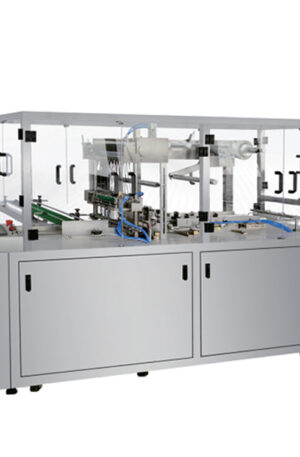
“Revolutionizing Pharmaceutical Manufacturing: The Role of Pharmaceutical Machinery”

Title: “Revolutionizing Pharmaceutical Manufacturing: The Role of Pharmaceutical Machinery”

Pharmaceutical manufacturing has seen remarkable advancements in recent years, particularly with the introduction of cutting-edge pharmaceutical machinery. Key players in this industry include the table press machine, capsule filling machine, as well as the Tablet Press Machine (TPD) and High-Speed Double Rotary Tablet Press (THDP). These machines have revolutionized the way pharmaceutical products are produced, enhancing efficiency and precision in the manufacturing process.

The table press machine is a crucial piece of machinery in pharmaceutical manufacturing. Also known as a tablet press machine, it is responsible for compressing powdered ingredients into tablets of specific sizes and shapes. By exerting high pressure on the formulation, the table press machine ensures uniformity in tablet weight and dosage. This level of precision is essential in pharmaceutical manufacturing to guarantee the efficacy and safety of the final product.

In addition to the table press machine, the capsule filling machine plays a vital role in the pharmaceutical industry. This machine automates the process of filling empty capsules with the desired medication or formulation. By accurately filling capsules with the correct dosage, the capsule filling machine improves efficiency and reduces the margin of error in the manufacturing process. This level of automation also increases productivity, allowing pharmaceutical companies to meet the growing demand for various medications.

Moreover, the Tablet Press Machine (TDP) and High-Speed Double Rotary Tablet Press (THDP) have significantly impacted pharmaceutical manufacturing. The TDP is renowned for its reliability and efficiency in producing high-quality tablets, while the THDP excels in high-speed production, making it ideal for large-scale manufacturing. These advanced machines not only enhance production capacity but also ensure consistent quality control throughout the manufacturing process.

Overall, the integration of advanced pharmaceutical machinery such as the table press machine, capsule filling machine, TDP, and THDP has transformed the landscape of pharmaceutical manufacturing. By increasing efficiency, accuracy, and productivity, these machines play a crucial role in meeting the demands of the pharmaceutical industry. As technology continues to advance, we can expect further innovations in pharmaceutical machinery, shaping the future of drug production and improving healthcare worldwide.

“The Role of Pharmaceutical Machinery in Modern Medicine: A Comprehensive Overview”

Title: “The Role of Pharmaceutical Machinery in Modern Medicine: A Comprehensive Overview”

Pharmaceutical machinery plays a crucial role in the production of medications that are used to treat various health conditions. Among the key pieces of equipment used in pharmaceutical manufacturing are table press machines and capsule filling machines.

Table press machines are essential for the production of tablets, which are one of the most common forms of medication that patients rely on. These machines are designed to compress powdered ingredients into solid tablets of uniform size and shape. The tablets produced by table press machines are not only convenient for patients to take but also ensure accurate dosage delivery.

Capsule filling machines, on the other hand, are used to fill empty capsules with the appropriate formulation. These machines are designed to precisely fill capsules with a specific amount of active pharmaceutical ingredients, excipients, and other additives. Capsules offer an alternative dosage form for patients who may have difficulty swallowing tablets or prefer this form of medication.

One of the well-known table press machines is the Tablet Press TDP series. The TDP series offers efficient and reliable tablet production capabilities, making it a popular choice among pharmaceutical manufacturers. Its user-friendly design and consistent performance make it ideal for high-volume production of tablets.

Another important machine in pharmaceutical manufacturing is the Capsule Filling Machine THDP series. The THDP series provides accurate and efficient filling of capsules, ensuring precise dosage delivery to patients. Pharmaceutical companies rely on the THDP series for its ability to streamline the capsule filling process and meet production demands.

In conclusion, pharmaceutical machinery, including table press machines and capsule filling machines such as the TDP and THDP series, play a vital role in modern medicine. These machines enable pharmaceutical manufacturers to produce high-quality medications efficiently and effectively. As technology advances, pharmaceutical machinery continues to evolve, contributing to the development of innovative medications that improve patient outcomes and quality of life.

“Revolutionizing Pharmaceutical Production: The Role of Pharmaceutical Machinery”

Article Title: “Revolutionizing Pharmaceutical Production: The Role of Pharmaceutical Machinery”

In the fast-evolving world of pharmaceutical manufacturing, the utilization of advanced pharmaceutical machinery has become key to enhancing efficiency and ensuring precise drug dosage forms. Among the array of machinery used in pharmaceutical production, table press machines and capsule filling machines play a crucial role in the manufacturing process. This article delves into the significance of these machines, particularly the Tableting Machine (TDP) and the High-Speed Double Press (THDP), in revolutionizing pharmaceutical production.

Table press machines, commonly known as tablet presses, are essential equipment used to compress powdered or granular material into tablet form. The Tablet Press (TDP) is a popular choice in pharmaceutical manufacturing due to its ability to produce a high volume of tablets with consistent quality and accuracy. The TDP operates by filling a hopper with the desired material, which is then fed into the compression chamber where it is compacted into tablet form using punches and dies. This process ensures that each tablet produced is uniform in weight and dosage, meeting stringent quality standards.

On the other hand, capsule filling machines are used to fill empty gelatin or vegetable capsules with powdered or granular material to create capsules for oral administration. The THDP, or High-Speed Double Press, is an advanced capsule filling machine designed to significantly increase production output while maintaining precise dosing accuracy. The THDP operates by automatically filling capsules with the desired material at high speeds, ensuring efficiency in the manufacturing process. This machine is equipped with advanced technology to monitor and adjust the filling process, resulting in uniform capsule content and reliable dosage forms.

The implementation of pharmaceutical machinery such as the TDP and THDP has revolutionized the pharmaceutical industry by streamlining production processes and enhancing product quality. These machines not only increase manufacturing efficiency but also ensure the consistency and accuracy of drug dosage forms, ultimately benefiting patients who rely on pharmaceutical products for their health and well-being.

In conclusion, the Table Press Machine (TDP) and High-Speed Double Press (THDP) are instrumental in revolutionizing pharmaceutical production by improving efficiency and accuracy in drug manufacturing. As the pharmaceutical industry continues to innovate and evolve, the role of advanced pharmaceutical machinery in pharmaceutical production will remain pivotal in meeting the growing demand for quality pharmaceutical products.

This article highlights the significance of table press machines and capsule filling machines in pharmaceutical production and emphasizes their role in advancing the pharmaceutical industry.

“The Evolution of Pharmaceutical Machinery: Advancements in Drug Manufacturing”

Title: “The Evolution of Pharmaceutical Machinery: Advancements in Drug Manufacturing”

In the ever-changing landscape of the pharmaceutical industry, the role of pharmaceutical machinery cannot be understated. Over the years, significant advancements have been made in the development and utilization of various machines that play a crucial role in drug manufacturing. Two key machines that have revolutionized the pharmaceutical industry are the table press machine and the capsule filling machine.

The table press machine, also known as a tablet press or tablet compression machine, is an essential piece of equipment used in the production of pharmaceutical tablets. It works by compressing powdered ingredients into tablets of uniform size and shape. The evolution of table press machines has seen the development of more efficient and precise models, such as the TDP (Tablet Press) and THDP (High-Speed Tablet Press), which can produce a high volume of tablets in a short amount of time. These advancements have greatly increased the productivity and cost-effectiveness of drug manufacturing processes.

On the other hand, the capsule filling machine is another critical tool in pharmaceutical manufacturing. This machine is used to fill empty gelatin capsules with powdered or granular ingredients to create dosage forms that are easy to swallow and administer. Like the table press machine, the capsule filling machine has undergone significant advancements in recent years, with modern models featuring increased automation, accuracy, and speed. These improvements have streamlined the capsule filling process and ensured the precise dosing of medications.

In conclusion, the evolution of pharmaceutical machinery, particularly the table press machine and capsule filling machine, has played a vital role in shaping the modern drug manufacturing industry. The development of advanced machines like the TDP and THDP has enabled pharmaceutical companies to produce medications more efficiently and accurately, ultimately benefiting patients worldwide. As technology continues to advance, we can expect further innovations in pharmaceutical machinery that will drive the industry forward and improve healthcare outcomes for all.

(Word count: 285)

Title: Revolutionizing Pharmaceutical Production with Advanced Pharmaceutical Machinery Article content: In recent years, the pharmaceutical industry has seen a significant transformation in the way medicines are produced, thanks to the rapid advancement of pharmaceutical machinery. These cutting-edge technologies have revolutionized the manufacturing process, leading to improved efficiency, quality, and safety in pharmaceutical production. One key aspect of modern pharmaceutical machinery is automation. Automated systems have replaced manual labor in many stages of production, from raw material handling to packaging. This not only speeds up the manufacturing process but also reduces the risk of human error, ensuring greater consistency and precision in drug formulation. Furthermore, the integration of robotics in pharmaceutical machinery has further enhanced efficiency and productivity. Robots are now commonly used in tasks such as picking and placing items, labeling, and even inspecting products for defects. Their ability to work tirelessly without fatigue has enabled pharmaceutical companies to increase their output while maintaining high product quality. Another significant development in pharmaceutical machinery is the use of advanced technologies such as Artificial Intelligence (AI) and Machine Learning. These technologies can analyze large amounts of data to optimize production processes, predict equipment failures before they occur, and even suggest improvements in drug formulations. This data-driven approach has enabled pharmaceutical manufacturers to make informed decisions quickly and adapt to changes in the industry. Additionally, the adoption of continuous manufacturing systems has become increasingly popular in the pharmaceutical industry. Unlike traditional batch production, continuous manufacturing allows for a seamless and uninterrupted process from raw materials to finished products. This not only reduces production time and costs but also improves the quality and consistency of pharmaceutical products. In conclusion, the advancement of pharmaceutical machinery has revolutionized the way medicines are produced, making the process more efficient, precise, and reliable. With automation, robotics, AI, and continuous manufacturing, pharmaceutical companies are able to meet the growing demand for safe and effective medications while maintaining high standards of quality control. The future of pharmaceutical production looks promising with the continued integration of innovative technologies in machinery.

Title: Revolutionizing Pharmaceutical Production with Advanced Pharmaceutical Machinery

The pharmaceutical industry is undergoing a transformative phase with the adoption of cutting-edge pharmaceutical machinery, such as table press machines, capsule filling machines, TDP (Tablet Compression Machine), and THDP (Tablet Hardness Testing Machine). These advanced technologies are reshaping the way medicines are manufactured, offering unprecedented levels of efficiency, quality, and safety.

Table press machines have emerged as one of the key players in modern pharmaceutical production. These machines are essential for compressing powders into solid tablets with precise dosages and dimensions. By utilizing table press machines, pharmaceutical companies can streamline the tablet compression process, ensuring uniformity in drug formulation and minimizing wastage of raw materials.

On the other hand, capsule filling machines play a crucial role in the encapsulation of medications. These machines automate the process of filling empty capsules with powdered or liquid formulations, enabling pharmaceutical manufacturers to produce a large volume of capsules with consistent dosage levels. The efficiency and accuracy of capsule filling machines contribute to the overall quality of pharmaceutical products and enhance patient safety.

In the realm of tablet production, TDP and THDP machines have revolutionized the way tablet formulations are tested and monitored. TDP machines, also known as Tablet Compression Machines, are used to compact powdered ingredients into tablets of uniform size and shape. These machines ensure that each tablet meets the required specifications in terms of weight, hardness, and disintegration time, enhancing the efficacy and reliability of the final product.

Moreover, THDP machines, or Tablet Hardness Testing Machines, are instrumental in assessing the mechanical strength of tablets. By measuring the hardness or breaking point of tablets, pharmaceutical manufacturers can determine the durability and integrity of the product, safeguarding against issues such as tablet breakage during handling or packaging. This quality control mechanism provided by THDP machines enhances the overall safety and efficacy of pharmaceutical formulations.

In conclusion, the integration of advanced pharmaceutical machinery, including table press machines, capsule filling machines, TDP, and THDP, has propelled the pharmaceutical industry into a new era of manufacturing excellence. These technologies have not only optimized production processes but also elevated the standards of quality control and product consistency. As pharmaceutical companies continue to embrace innovation in machinery, the future of pharmaceutical production looks promising, with a continued focus on efficiency, precision, and safety.

“Revolutionizing Medication Production: The Role of Pharmaceutical Machinery”

Title: “Revolutionizing Medication Production: The Role of Pharmaceutical Machinery”

In the fast-paced world of pharmaceuticals, the efficiency and precision of medication production are paramount to ensuring the health and well-being of millions of individuals worldwide. One crucial aspect that drives this efficiency is the use of advanced pharmaceutical machinery, such as the table press machine, capsule filling machine, TDP, and THDP – key players in the pharmaceutical manufacturing process.

Table press machines play a vital role in the pharmaceutical industry by converting powdered medication formulations into solid dosage forms such as tablets. These machines are designed to compress powders uniformly into tablets of precise weights and dimensions. By exerting controlled pressure on the powder, table press machines ensure the consistent quality and integrity of the final product. This results in medications that are easy to handle, transport, and administer to patients, enhancing the overall pharmaceutical manufacturing process.

On the other hand, capsule filling machines are essential for encapsulating powdered or granulated medications into gelatin or vegetarian capsules. These machines automate the process of filling and sealing capsules, ensuring accurate dosage and reducing the risk of contamination. By efficiently encapsulating medications, capsule filling machines contribute to the convenience and safety of drug administration for patients. The automation and precision provided by these machines improve production speed and quality control in pharmaceutical manufacturing.

TDP (Tablet Press) and THDP (Tablet Hardness Testing) are integral parts of the tablet manufacturing process. The TDP machine is responsible for compressing powdered ingredients into tablets, while the THDP machine measures the hardness of these tablets to ensure their quality and durability. Together, these machines enable pharmaceutical manufacturers to produce tablets that meet stringent quality standards and regulatory requirements. The combination of TDP and THDP machines streamlines the tablet production process, resulting in consistent and reliable medication formulations.

In conclusion, pharmaceutical machinery such as the table press machine, capsule filling machine, TDP, and THDP play a crucial role in revolutionizing medication production. These advanced machines enhance the efficiency, precision, and quality of pharmaceutical manufacturing processes, ultimately benefiting both pharmaceutical companies and patients. By investing in innovative pharmaceutical machinery, the industry can continue to meet the growing demand for safe and effective medications in today’s healthcare landscape.

“The Evolution of Pharmaceutical Machinery: From Traditional to High-Tech Solutions”

Title: “The Evolution of Pharmaceutical Machinery: From Traditional to High-Tech Solutions”

Over the years, the field of pharmaceutical machinery has advanced significantly, revolutionizing the way medications are manufactured. From traditional table press machines to modern high-tech capsule filling machines, the industry continues to innovate and improve efficiency.

One of the most common types of pharmaceutical machinery is the table press machine. These machines are essential for the production of tablets, which are a popular and convenient form of medication. Table press machines use compression force to compact powdered ingredients into solid tablets of precise size and shape. They are versatile and widely used in pharmaceutical manufacturing facilities worldwide.

In recent years, there has been a shift towards more advanced technologies in pharmaceutical machinery, such as the development of high-tech capsule filling machines. These machines are designed to automate the process of filling capsules with medication, increasing efficiency and accuracy. With the ability to fill hundreds of capsules per minute, high-tech capsule filling machines have revolutionized the production of capsule medications.

Two commonly used types of table press machines are the TDP (Tablet Press) and THDP (Double Rotary Tableting Press). The TDP is a single punch machine that is ideal for small-scale production runs and laboratory use. It is easy to operate and offers precise control over the tablet compression process. On the other hand, the THDP is a high-speed rotary tablet press that is capable of producing large quantities of tablets quickly and efficiently. It is equipped with multiple punches and dies, allowing for continuous production without interruptions.

Overall, the evolution of pharmaceutical machinery from traditional table press machines to high-tech solutions like capsule filling machines has transformed the industry. These advancements have not only improved the efficiency and accuracy of medication production but have also paved the way for the development of new and innovative drug delivery systems. As technology continues to progress, the future of pharmaceutical machinery holds even more exciting possibilities for the healthcare industry.

Title: “Revolutionizing Pharmaceutical Manufacturing: The Role of Pharmaceutical Machinery” Article Content: Introduction: Pharmaceutical machinery plays a crucial role in the production process of drugs and medications. With the advancement of technology and automation, pharmaceutical machinery has revolutionized the way medications are manufactured. This article explores the significance of pharmaceutical machinery in the pharmaceutical industry and how it has improved production efficiency and product quality. Importance of Pharmaceutical Machinery: Pharmaceutical machinery encompasses a wide range of equipment such as tablet presses, capsule fillers, mixing machines, coating machines, and packaging equipment. These machines are designed to ensure accurate dosing, precise mixing of ingredients, and efficient packaging of medications. By using pharmaceutical machinery, pharmaceutical manufacturers can streamline their production processes, reduce human error, and ensure consistent product quality. Automation in Pharmaceutical Manufacturing: Automation has become an integral part of pharmaceutical manufacturing, with the use of robotics and computerized systems in pharmaceutical machinery. Automated systems enable faster production rates, higher accuracy, and reduced production costs. Robotics, for example, are used in tasks such as sorting, labeling, and packaging of medications, increasing efficiency and reducing the risk of contamination. Quality Control and Compliance: Pharmaceutical machinery plays a key role in ensuring quality control and compliance with regulatory standards in the pharmaceutical industry. Machines are equipped with sensors and monitoring devices to detect any deviations in production processes, ensuring that medications meet the required standards for safety and efficacy. Additionally, pharmaceutical machinery is designed to meet Good Manufacturing Practices (GMP) guidelines to ensure the highest level of quality in drug manufacturing. Future Trends in Pharmaceutical Machinery: The future of pharmaceutical machinery is focused on innovation and sustainability. Advancements in technology, such as the use of artificial intelligence and machine learning, are driving improvements in production processes and product development. Additionally, there is a growing emphasis on green manufacturing practices in the pharmaceutical industry, with the development of eco-friendly machinery and processes to reduce waste and energy consumption. Conclusion: Pharmaceutical machinery plays a critical role in the pharmaceutical industry by improving production efficiency, ensuring product quality, and facilitating compliance with regulatory standards. As technology continues to advance, the role of pharmaceutical machinery in drug manufacturing will only become more significant, driving innovation and sustainability in the industry.

Title: “Revolutionizing Pharmaceutical Manufacturing: The Role of Pharmaceutical Machinery”

Pharmaceutical machinery has been instrumental in transforming the way medications are produced in the pharmaceutical industry. Among the key pieces of equipment are the tablet press machine and the capsule filling machine, which are essential in the manufacturing process.

Tablet press machines, such as the TDP (Tablet Press) and THDP (Tablet Hardness Tester and Deduster), are designed to accurately compress powder mixtures into tablets of uniform size and weight. These machines play a crucial role in ensuring the dosage accuracy of medications, as well as their appearance and quality. The TDP, for example, is capable of high-speed production, making it an efficient tool for large-scale pharmaceutical manufacturing.

On the other hand, capsule filling machines are used to fill empty capsules with the desired medication in powder or granule form. These machines automate the process of capsule filling, ensuring precise dosing and consistent product quality. The advanced technology integrated into modern capsule filling machines allows for high-speed production while maintaining accuracy and efficiency.

The implementation of pharmaceutical machinery, such as tablet press and capsule filling machines, has significantly improved production efficiency in the pharmaceutical industry. By automating the production process, these machines reduce human error, increase production rates, and enhance overall productivity. Additionally, the use of such machinery ensures the uniformity and consistency of medications, leading to higher-quality products.

Quality control and compliance are paramount in pharmaceutical manufacturing, and pharmaceutical machinery plays a crucial role in meeting industry standards. The use of tablet press and capsule filling machines equipped with advanced sensors and monitoring devices helps pharmaceutical companies detect and prevent deviations in the production process. This ensures that medications meet the required quality and safety standards, as well as regulatory requirements.

Looking ahead, the future of pharmaceutical machinery is focused on innovation and sustainability. Advancements in technology are driving the development of more efficient and environmentally friendly pharmaceutical machinery. The integration of artificial intelligence and machine learning into tablet press and capsule filling machines is expected to further improve production processes and product quality in the pharmaceutical industry.

In conclusion, pharmaceutical machinery, including tablet press machines and capsule filling machines, plays a vital role in revolutionizing pharmaceutical manufacturing. These machines not only enhance production efficiency and product quality but also support compliance with regulatory standards. As technology continues to evolve, pharmaceutical machinery will continue to drive innovation and sustainability in the pharmaceutical industry.

“The Role of Pharmaceutical Machinery in Modern Medicine Manufacturing”

Title: “The Role of Pharmaceutical Machinery in Modern Medicine Manufacturing”

In the fast-paced world of pharmaceutical manufacturing, the use of advanced machinery plays a crucial role in ensuring the efficiency, accuracy, and quality of the production process. Among the various types of pharmaceutical machinery, table press machines and capsule filling machines stand out as indispensable tools in the production of medications. In this article, we will explore the importance of these machines, with a particular focus on the popular TDP (Tablet Press Machine) and THDP (Tablet and Capsule Counting Machine).

Tablet press machines, such as the TDP series, are essential in the pharmaceutical industry for the compression of powdered ingredients into solid tablets. These machines utilize intricate mechanisms to ensure the uniformity of tablet size, weight, and dosage, thereby meeting the strict standards set by regulatory authorities. The TDP series, known for its reliability and precision, offers pharmaceutical manufacturers the ability to produce large quantities of tablets quickly and accurately.

On the other hand, capsule filling machines are designed to efficiently fill empty capsule shells with the desired medication, ensuring proper dosing and ease of administration for patients. The THDP series, which combines tablet and capsule counting capabilities, streamlines the production process by accurately counting and filling both tablets and capsules in a single machine. This multifunctional feature not only saves time but also minimizes the risk of errors in the manufacturing process.

The integration of advanced technology in pharmaceutical machinery has revolutionized the way medications are produced, making the manufacturing process more efficient, cost-effective, and scalable. Automation features in modern pharmaceutical machines reduce human error and increase production output, ultimately leading to higher-quality medications that meet stringent regulatory requirements.

In conclusion, table press machines and capsule filling machines, such as the TDP and THDP series, play a vital role in modern pharmaceutical manufacturing. These sophisticated machines ensure the precise and efficient production of tablets and capsules, contributing to the overall quality and safety of medications. As the industry continues to evolve, the importance of pharmaceutical machinery in medicine manufacturing cannot be understated, highlighting the need for continued innovation and advancement in this critical field.

This article highlights the significance of pharmaceutical machinery in modern medicine manufacturing, specifically focusing on the role of table press machines and capsule filling machines like the TDP and THDP series. Through advancements in technology and automation, these machines have revolutionized the pharmaceutical industry by enhancing efficiency, accuracy, and quality in the production process.