“The Evolution of Pharmaceutical Machinery: Innovations Driving Medical Advancements”

Title: “The Evolution of Pharmaceutical Machinery: Innovations Driving Medical Advancements”

Pharmaceutical machinery has played a vital role in the advancement of medical science, facilitating the production of essential medications efficiently and accurately. Among the key innovations in pharmaceutical machinery are table press machines and capsule filling machines, with models such as TDP and THDP revolutionizing the way medications are manufactured.

Table press machines are crucial in the pharmaceutical industry for compressing powdered ingredients into tablets or pills. The TDP (Tablet Press Machine) is a popular model known for its precision and reliability in producing tablets of consistent size and quality. By regulating the compression force and the speed of production, TDP machines ensure the uniformity of tablets, meeting strict pharmaceutical standards for dosage accuracy. These machines are essential for pharmaceutical companies to mass-produce medications in a cost-effective and streamlined manner.

Capsule filling machines are another indispensable tool in pharmaceutical manufacturing, used to fill empty capsules with powdered or liquid medication. The THDP (Automatic Capsule Filling Machine) is a cutting-edge model designed for high-speed production with minimal human intervention. By automating the process of filling and sealing capsules, THDP machines increase efficiency, reduce wastage, and maintain hygiene standards in drug manufacturing facilities. With customizable options for capsule sizes and fill volumes, THDP machines offer versatility to pharmaceutical companies producing a wide range of medications.

The evolution of pharmaceutical machinery, particularly the advancements in table press and capsule filling machines like TDP and THDP, has significantly improved the efficiency and quality of medication production. These innovations not only enhance the speed and accuracy of manufacturing processes but also ensure the safety and effectiveness of the pharmaceutical products that reach patients worldwide. As technology continues to progress, pharmaceutical machinery will undoubtedly play a pivotal role in driving further advancements in medical science and improving healthcare outcomes for populations globally.
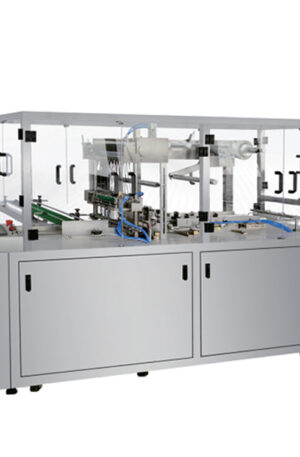
“The Role of Pharmaceutical Machinery in Modern Drug Production”

Title: “The Role of Pharmaceutical Machinery in Modern Drug Production”

Introduction:
In the ever-evolving pharmaceutical industry, the role of advanced machinery cannot be overstated. From the formulation of drugs to their final packaging, pharmaceutical machinery plays a crucial role in ensuring efficiency, accuracy, and compliance with regulatory standards. This article delves into the importance of key machines such as the table press machine, capsule filling machine, TDP, and THDP in modern drug production.

Body:
1. Table Press Machine:
Tablet press machines are indispensable in the pharmaceutical manufacturing process. These machines are used to compress powdered ingredients into solid tablets of precise shapes and sizes. By exerting controlled pressure, tablet press machines ensure uniformity and consistency in tablet quality. The scalability and efficiency of modern table press machines make them essential for mass production of pharmaceutical tablets.

2. Capsule Filling Machine:
Capsule filling machines automate the process of filling empty gelatin or vegetarian capsules with precise amounts of active pharmaceutical ingredients. These machines offer high accuracy and speed, reducing the likelihood of dosage variations and ensuring uniformity across batches. Capsule filling machines come in different types, including manual, semi-automatic, and automatic, catering to varying production needs.

3. TDP (Tablet Dedusting Machine):
TDP machines play a vital role in enhancing the appearance and quality of pharmaceutical tablets. By removing excess powder, dust, or debris from the surface of tablets, TDP machines improve the final product’s aesthetic appeal and reduce the risk of contamination. This step is crucial for ensuring the tablets meet quality standards and regulatory requirements.

4. THDP (Tablet Hardness Tester):
Tablet hardness testers are used to measure the breaking point and resistance of tablets. By providing quantitative data on tablet hardness, these machines help in determining the mechanical strength of tablets. This information is essential for ensuring the tablets can withstand handling, transportation, and storage conditions without breaking or crumbling, thereby maintaining their integrity and efficacy.

Conclusion:
In conclusion, pharmaceutical machinery such as the table press machine, capsule filling machine, TDP, and THDP play integral roles in modern drug production. These advanced machines are instrumental in ensuring the quality, accuracy, and efficiency of pharmaceutical manufacturing processes. By leveraging technology and automation, pharmaceutical companies can meet the growing demand for safe and effective medications while adhering to stringent regulatory standards. Embracing innovation in pharmaceutical machinery is key to driving advancements in drug development and production.

Word Count: 336

“A Comprehensive Guide to Pharmaceutical Machinery”

Title:

“A Comprehensive Guide to Pharmaceutical Machinery”

Article:

Pharmaceutical machinery plays a crucial role in the production process of medicines and healthcare products. In this comprehensive guide, we will explore two key types of pharmaceutical machinery – the table press machine and the capsule filling machine – with a specific focus on the TDP and THDP models.

Table press machines are essential equipment in the pharmaceutical industry for compressing powdered ingredients into solid tablets. The TDP series, including models like TDP-1.5, TDP-5, and TDP-6, are popular choices due to their efficiency and reliability. These machines operate by exerting pressure on the powder within a die cavity to form tablets of uniform size and weight. They are versatile and can accommodate various shapes and sizes of tablets based on the specific requirements of the production process.

On the other hand, capsule filling machines are used for encapsulating powdered, granular, or liquid materials into capsules for easy consumption. The THDP models, such as THDP-3 and THDP-5, are highly efficient in filling and sealing capsules accurately and efficiently. These machines feature precision dosing systems to ensure the correct amount of material is filled into each capsule, maintaining consistency in dosage and quality.

Both the table press and capsule filling machines are equipped with advanced technology to streamline the production process and adhere to strict pharmaceutical standards. These machines are designed to meet the high demands of the industry, ensuring precise and reliable performance for the manufacturing of pharmaceutical products.

In conclusion, pharmaceutical machinery such as table press and capsule filling machines are indispensable tools in the production of medicines and healthcare products. The TDP and THDP models represent cutting-edge technology that enables pharmaceutical manufacturers to optimize their production processes and deliver high-quality products to consumers worldwide.

This comprehensive guide provides an overview of the key features and benefits of table press and capsule filling machines, highlighting the importance of these machines in the pharmaceutical industry. By investing in quality pharmaceutical machinery, manufacturers can enhance efficiency, accuracy, and consistency in their production processes, ultimately contributing to the delivery of safe and effective healthcare products to patients in need.

“The Role of Pharmaceutical Machinery in Drug Manufacturing”

Title: The Role of Pharmaceutical Machinery in Drug Manufacturing

Pharmaceutical machinery plays a crucial role in drug manufacturing, facilitating the production of various types of medications efficiently and in compliance with regulatory standards. Among the essential pieces of equipment in pharmaceutical manufacturing are table press machines and capsule filling machines, including the popular models such as TDP and THDP.

Table press machines are widely used in the pharmaceutical industry for compressing powdered ingredients into solid tablets. These machines operate by applying precise pressure to the powder mixture, compacting it into a tablet form. The production capacity and tablet size can be adjusted according to the specific requirements of the medication being manufactured. Table press machines are versatile and can be used to produce different shapes and sizes of tablets, ensuring uniformity and consistency in drug dosage.

On the other hand, capsule filling machines are vital for encapsulating powder, granules, or liquids into gelatin or vegetarian capsules. These machines enable the pharmaceutical industry to produce dosages that are easier to swallow and offer an alternative to traditional tablets. TDP and THDP are two common types of capsule filling machines known for their efficiency and precision in filling capsules with the desired medication dosage. TDP machines are suitable for small to medium-scale production, while THDP machines are designed for high-speed production lines, offering increased productivity and throughput.

The integration of table press machines and capsule filling machines in pharmaceutical manufacturing processes streamlines production, improves efficiency, and ensures the quality and accuracy of the final pharmaceutical products. These machines adhere to strict pharmaceutical standards and regulations, minimizing the risk of errors and contamination during the manufacturing process. Additionally, the automation and advanced technology incorporated in modern pharmaceutical machinery reduce manual labor, enhance productivity, and contribute to the overall safety and reliability of drug manufacturing operations.

In conclusion, pharmaceutical machinery, including table press machines, capsule filling machines like TDP and THDP, plays a critical role in drug manufacturing. These machines enable pharmaceutical manufacturers to produce high-quality medications efficiently, accurately, and in compliance with industry regulations. By investing in advanced pharmaceutical machinery, drug manufacturers can enhance their production capabilities, improve product quality, and meet the growing demands of the pharmaceutical market.