“The Evolution of Pharmaceutical Machinery: Revolutionizing Drug Production”

Title: The Evolution of Pharmaceutical Machinery: Revolutionizing Drug Production

In the pharmaceutical industry, advancements in technology have significantly impacted the way drugs are manufactured. One of the key innovations that have revolutionized drug production is the development of pharmaceutical machinery. From the early table press machines to modern capsule filling machines, the evolution of pharmaceutical machinery has transformed the efficiency and precision of drug manufacturing processes.

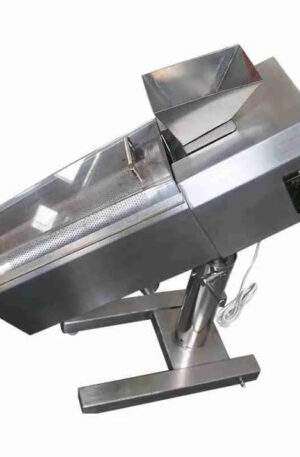
Table press machines, also known as tablet presses, were among the first pharmaceutical machinery used for drug production. These machines were essential for compressing powdered ingredients into solid tablets of specific shapes and sizes. The introduction of table press machines marked a significant shift from manual labor to automated production, increasing the speed and accuracy of tablet manufacturing.

As demand for more complex drug formulations grew, the pharmaceutical industry saw the need for advanced machinery that could handle diverse drug delivery systems. This led to the development of capsule filling machines, which allowed for the encapsulation of powdered or liquid drugs into gelatin or vegetarian capsules. These machines provided pharmaceutical companies with the flexibility to produce a wide range of drug dosage forms efficiently and precisely.

One of the key developments in pharmaceutical machinery is the introduction of the TDP (Tablet Press Machine) and THDP (Double Rotary Tablet Press) models. The TDP models are single-punch tablet press machines that are widely used for small-scale production of tablets in pharmaceutical, food, and chemical industries. These machines are known for their simplicity, reliability, and ease of operation, making them popular choices for manufacturers producing small batches of tablets.

On the other hand, the THDP models represent a more advanced version of tablet press machines, featuring double rotary technology that increases the production capacity and efficiency of tablet manufacturing. The THDP models are ideal for large-scale production of tablets, offering high-speed operation, precise dosage control, and low noise levels. Pharmaceutical companies rely on THDP machines to meet the demands of high-volume tablet production efficiently.

In conclusion, the evolution of pharmaceutical machinery, from table press machines to advanced TDP and THDP models, has played a crucial role in revolutionizing drug production. These machines have improved the efficiency, accuracy, and flexibility of manufacturing processes, enabling pharmaceutical companies to meet the evolving demands of the industry. As technology continues to advance, we can expect to see further innovations in pharmaceutical machinery that will shape the future of drug manufacturing.

“Revolutionizing Pharmaceutical Production: The Role of Pharmaceutical Machinery”

Title: “Revolutionizing Pharmaceutical Production: The Role of Pharmaceutical Machinery”

In modern pharmaceutical production, the utilization of advanced pharmaceutical machinery has transformed the way medications are manufactured. Two key machines that play a significant role in the production process are the tablet press machine and the capsule filling machine. These machines, including the TDP (Tablet Press) and the THDP (Tablet Hardness Testing Machine), are essential components in the pharmaceutical manufacturing industry.

The tablet press machine, such as the TDP, is a crucial piece of equipment in the pharmaceutical manufacturing process. This machine is responsible for compressing powder formulations into solid tablets of precise shapes and sizes. By exerting controlled pressure on the powder mixture, the tablet press machine ensures uniformity and consistency in the tablets produced. The TDP has revolutionized the efficiency and accuracy of tablet production, allowing pharmaceutical companies to mass-produce medications with high quality and precision.

Similarly, the capsule filling machine is another essential device in pharmaceutical production. This machine is designed to fill empty capsules with the desired medication formulation. The capsule filling machine automates the process of filling capsules, enabling pharmaceutical companies to increase production speed and accuracy. By utilizing the capsule filling machine, manufacturers can ensure that each capsule contains the correct dosage of medication, enhancing patient safety and compliance.

In addition to the TDP and capsule filling machine, the THDP plays a vital role in pharmaceutical manufacturing. The THDP, or Tablet Hardness Testing Machine, is used to measure the hardness of tablets produced by the tablet press machine. Tablet hardness is a critical parameter that determines the quality and integrity of tablets. By using the THDP, pharmaceutical companies can verify the hardness of tablets and ensure that they meet the required specifications for effective drug delivery.

Overall, the integration of advanced pharmaceutical machinery, such as the tablet press machine, capsule filling machine, and THDP, has revolutionized pharmaceutical production. These machines have enhanced efficiency, accuracy, and quality in the manufacturing process, allowing pharmaceutical companies to meet the growing demands for medications worldwide. As technology continues to advance, pharmaceutical machinery will play an increasingly crucial role in shaping the future of pharmaceutical manufacturing.

Through the utilization of innovative pharmaceutical machinery, the industry can continue to revolutionize pharmaceutical production and improve global healthcare outcomes.

“Revolutionizing Medicine: The Role of Pharmaceutical Machinery in Drug Manufacturing”

Title: Revolutionizing Medicine: The Role of Pharmaceutical Machinery in Drug Manufacturing

In the rapidly evolving landscape of modern medicine, the role of pharmaceutical machinery in drug manufacturing cannot be overstated. From the inception of a new drug formulation to its final production, pharmaceutical machinery plays a crucial role in ensuring efficiency, accuracy, and consistency in the manufacturing process. Two key pieces of equipment that are essential in drug manufacturing are the table press machine and the capsule filling machine. Let’s delve deeper into how these machines, specifically the TDP and THDP models, are revolutionizing the pharmaceutical industry.

The table press machine, such as the TDP model, is a fundamental piece of equipment used in the pharmaceutical industry for compressing powdered materials into tablets. This machine operates by filling a cavity with the powdered drug formulation and then compressing it under high pressure to form a solid tablet. The TDP model is known for its compatibility with various types of formulations, its compact size, and its ability to produce tablets of consistent size and weight. This level of precision is essential in ensuring that each tablet contains the correct dosage of the active pharmaceutical ingredient, which is critical for the efficacy and safety of the drug.

On the other hand, the capsule filling machine, including the THDP model, is another essential piece of equipment used in drug manufacturing. Capsule filling machines are employed to fill empty capsules with the desired drug formulation, providing a convenient and uniform way to administer medications orally. The THDP model, in particular, is known for its high-speed production capabilities, its ability to handle a wide range of capsule sizes, and its accuracy in filling capsules with precise dosages. This precision is vital in ensuring that each capsule contains the correct amount of the active ingredient, thereby enhancing the effectiveness of the medication.

The integration of advanced technologies, such as automation and digital controls, in pharmaceutical machinery has further revolutionized the drug manufacturing process. These technological advancements have improved efficiency, reduced human error, and enhanced quality control in pharmaceutical production. Additionally, the use of data analytics and machine learning algorithms in pharmaceutical machinery has enabled manufacturers to optimize production processes, predict equipment maintenance needs, and ensure compliance with regulatory standards.

In conclusion, pharmaceutical machinery, including table press machines like the TDP model and capsule filling machines like the THDP model, plays a central role in revolutionizing drug manufacturing. These machines are indispensable in ensuring the precise and efficient production of medications, ultimately contributing to the advancement of healthcare and the well-being of patients worldwide. By embracing innovation and leveraging the capabilities of cutting-edge pharmaceutical machinery, the industry is poised to achieve new heights in drug development and production.

Title: “Revolutionizing Pharmaceutical Production with Advanced Manufacturing Technology”

With the advent of advanced manufacturing technology, the pharmaceutical industry is undergoing a revolution in the way medicines are produced. One of the key innovations driving this transformation is the utilization of sophisticated equipment such as the table press machine and the capsule filling machine. These machines are at the forefront of modern pharmaceutical production, enabling manufacturers to enhance efficiency, quality, and productivity.

The table press machine, also known as a tablet press or pill press, is a vital piece of equipment used in the pharmaceutical industry to compress powder formulations into solid tablets or pills. By exerting precise pressure and force, the table press machine transforms raw materials into standardized and consistent dosage forms. This process is crucial for ensuring the uniformity and potency of medications, ultimately benefiting patient health outcomes.

Similarly, the capsule filling machine plays a crucial role in pharmaceutical manufacturing by automating the encapsulation process. This machine fills empty capsules with precise amounts of drug formulations, ensuring accurate dosing and facilitating the production of various pharmaceutical products. With the ability to handle different capsule sizes and formulations, the capsule filling machine has become indispensable in modern pharmaceutical operations.

Two popular types of table press machines are TDP (Tablet Press Machine) and THDP (High-speed Rotary Tablet Press). The TDP is a single-punch table press machine suitable for small-scale production or laboratory use. It offers versatility in producing different tablet shapes and sizes, making it ideal for research and development purposes. On the other hand, the THDP is a high-speed rotary table press machine designed for large-scale production. It boasts high efficiency and output capacity, meeting the demands of commercial pharmaceutical manufacturing.

The integration of table press machines and capsule filling machines into pharmaceutical production processes has revolutionized the industry by improving efficiency, precision, and product quality. Manufacturers can now produce medications at a faster pace and with greater accuracy, leading to cost savings and enhanced drug delivery systems. As technology continues to advance, the pharmaceutical industry is poised to achieve new heights in innovation and productivity through the utilization of advanced manufacturing equipment.

“The Role of Pharmaceutical Machinery in Drug Manufacturing”

Title: The Role of Pharmaceutical Machinery in Drug Manufacturing

Pharmaceutical machinery plays a critical role in the process of drug manufacturing, ensuring the efficiency, accuracy, and safety of pharmaceutical production. Two key machines in this process are the table press machine and the capsule filling machine.

Table press machines are essential in the production of solid dosage forms such as tablets. These machines use compression force to compact powdered ingredients into cohesive tablets of uniform weight and size. The Tablet press machines come in various types and models. One of the commonly used table press machines is the TDP (Tablet Press), which is known for its reliability and simplicity, making it ideal for small to medium scale pharmaceutical production. Another advanced model is the THDP (High-Speed Tablet Press), which is capable of producing a larger volume of tablets at a faster pace, meeting the demands of high-volume pharmaceutical manufacturers.

On the other hand, capsule filling machines are used to fill empty capsules with pharmaceutical powders or granules. These machines ensure precise dosing and encapsulation of the drug ingredients. The capsule filling machines are available in different configurations, including manual, semi-automatic, and automatic machines. They offer flexibility in handling various capsule sizes and formulations, making them suitable for different production scales. The modern capsule filling machines are equipped with advanced features such as automatic capsule orientation, filling weight adjustment, and real-time monitoring, enhancing the accuracy and efficiency of the filling process.

Overall, the efficient operation of pharmaceutical machinery such as table press machines and capsule filling machines is crucial for the pharmaceutical industry. These machines not only ensure the quality and consistency of drug products but also contribute to the overall productivity and profitability of pharmaceutical companies. As technology continues to evolve, pharmaceutical machinery is becoming more sophisticated, incorporating automation, digitalization, and advanced controls to meet the growing demands of the industry.

In conclusion, pharmaceutical machinery, including table press machines and capsule filling machines, plays a vital role in drug manufacturing by enabling precise dosage form production and enhancing production efficiency. The evolution of technology in pharmaceutical machinery continues to drive innovation and improve the manufacturing process, ensuring the quality and safety of pharmaceutical products for the benefit of patients worldwide.

“The Role of Pharmaceutical Machinery in Modern Medicine Manufacturing”

Title: “The Role of Pharmaceutical Machinery in Modern Medicine Manufacturing”

In the realm of modern medicine manufacturing, pharmaceutical machinery plays a pivotal role in ensuring the production of safe and effective medications. Among the essential equipment used in pharmaceutical manufacturing are table press machines, capsule filling machines, as well as the TDP and THDP models, which are crucial for the efficient and precise production of pharmaceutical products.

Table press machines are integral to the pharmaceutical industry as they are used to compress powdered ingredients into solid tablets of uniform size and weight. These machines apply high pressure to compact the powder, ensuring the tablets have the required hardness and disintegration properties. The precise control over the compression force and speed provided by table press machines is essential for maintaining the quality and consistency of the tablets produced.

Capsule filling machines are another essential piece of equipment in pharmaceutical manufacturing. These machines are designed to accurately fill empty gelatin or vegetarian capsules with the desired dosage of powdered or granulated medication. By automating the capsule filling process, these machines ensure efficiency and consistency in dosing, reducing the risk of human error and contamination.

The TDP (Tablet Press Machine) and THDP (Tablet Press Machine with Double Press) models are widely used in pharmaceutical manufacturing for their versatility and efficiency. TDP machines are ideal for small to medium-scale production of tablets, offering a compact design and easy operation. On the other hand, THDP machines are capable of higher production volumes due to their double press mechanism, which reduces the cycle time required to produce tablets.

In conclusion, pharmaceutical machinery, including table press machines, capsule filling machines, TDP, and THDP models, play a crucial role in modern medicine manufacturing. These advanced machines ensure the precise dosing, uniformity, and quality of pharmaceutical products, ultimately contributing to the safety and efficacy of medications available to patients worldwide. Through the use of cutting-edge pharmaceutical machinery, the industry continues to advance in its ability to produce innovative and life-saving medications for diverse medical needs.

“The Evolution of Pharmaceutical Machinery: From Traditional to High-Tech Solutions”

Title: “The Evolution of Pharmaceutical Machinery: From Traditional to High-Tech Solutions”

Pharmaceutical machinery has undergone a remarkable evolution over the years, transitioning from traditional manual methods to sophisticated high-tech solutions. This transformation has revolutionized the production processes of medicines worldwide, making them more efficient, precise, and cost-effective.

One of the earliest forms of pharmaceutical machinery was the table press machine, which dates back to the early days of pharmaceutical manufacturing. Table press machines were used to compress powdered ingredients into tablets of uniform size and shape. While these machines were an improvement over manual methods, they were limited in terms of speed and automation.

With advancements in technology, the capsule filling machine was introduced, offering a more efficient way to encapsulate powdered or liquid medications. These machines automated the process of filling and sealing capsules, increasing productivity and accuracy in pharmaceutical production. However, as the demand for faster and more precise machinery grew, manufacturers began developing newer and more advanced solutions.

The introduction of the TDP (Tablet Press) machine marked a significant milestone in pharmaceutical machinery development. TDP machines improved upon traditional table press machines by incorporating better precision, speed, and automation capabilities. This innovation revolutionized tablet manufacturing, allowing pharmaceutical companies to produce tablets in large quantities with higher accuracy and consistency.

In recent years, the pharmaceutical industry has seen the emergence of the THDP (High-Speed Tablet Press) machine, which represents the pinnacle of high-tech pharmaceutical machinery. THDP machines are capable of producing an even larger volume of tablets at an unprecedented speed, while maintaining the highest levels of precision and quality control. These machines are equipped with advanced technologies such as automatic data recording, real-time monitoring, and tool-less changeovers, making them indispensable in modern pharmaceutical manufacturing facilities.

In conclusion, the evolution of pharmaceutical machinery from traditional table press machines to high-tech THDP solutions has transformed the way medicines are produced. These advancements have not only increased efficiency and productivity but have also raised the standards of quality and precision in pharmaceutical manufacturing. As technology continues to advance, the future of pharmaceutical machinery promises even more innovative solutions to meet the growing demands of the industry.

“The Future of Pharmaceutical Machinery: Innovations and Advancements”

Title: “The Future of Pharmaceutical Machinery: Innovations and Advancements”

Pharmaceutical machinery plays a crucial role in the production of medications that improve health and save lives. In recent years, rapid advancements have been made in the field, paving the way for more efficient and precise manufacturing processes. Two key machines at the forefront of these innovations are the table press machine and the capsule filling machine.

Table press machines, such as those using TDP (Tablet Press Direct) technology, are essential in pharmaceutical manufacturing for producing tablets of various shapes and sizes. These machines operate by compressing powdered ingredients into solid tablets, ensuring accurate dosing and consistent quality. Recent developments in table press technology have focused on improving efficiency and flexibility. For example, the integration of automatic data monitoring systems allows for real-time feedback and adjustments, enhancing overall productivity.

On the other hand, capsule filling machines are instrumental in the encapsulation of pharmaceutical formulations. One of the latest advancements in this area is the introduction of THDP (Time-Hardened Diamond Precision) technology, which enables precise and high-speed filling of capsules with active ingredients. THDP machines are designed to minimize waste and reduce the risk of contamination, meeting the increasing demand for safe and reliable medication production.

Furthermore, the integration of automation and digitalization has revolutionized the pharmaceutical machinery industry. Smart technologies, such as IoT (Internet of Things) connectivity and AI (Artificial Intelligence) algorithms, have enabled predictive maintenance and optimized production workflows. These digital solutions not only enhance efficiency but also ensure compliance with strict regulatory requirements in the pharmaceutical sector.

In conclusion, the future of pharmaceutical machinery is bright, with ongoing innovations and advancements shaping the industry. The evolution of table press and capsule filling machines, as exemplified by TDP and THDP technologies, demonstrates a commitment to precision, efficiency, and quality in medication manufacturing. By embracing digital transformation and leveraging smart technologies, pharmaceutical companies can stay ahead of the curve and continue to deliver safe and effective drugs to patients worldwide.

“Revolutionizing Pharmaceutical Production: The Role of Pharmaceutical Machinery”

Title: Revolutionizing Pharmaceutical Production: The Role of Pharmaceutical Machinery

Pharmaceutical production has undergone a significant transformation over the years, with the introduction of advanced machinery playing a crucial role in enhancing efficiency and quality control. Among the various types of machinery utilized in pharmaceutical manufacturing, the table press machine and capsule filling machine have emerged as indispensable tools in the production process. In this article, we will explore the functions and benefits of these essential machines, with a specific focus on the tablet press machines (TPD) and high-speed tablet press machines (THDP).

Table press machines are commonly used in pharmaceutical manufacturing for the compression of powdered ingredients into solid tablets. These machines operate by exerting pressure on the powder within a die cavity, forming tablets of uniform size and weight. The precision and speed of table press machines contribute to the consistent production of high-quality tablets, meeting the stringent standards required in the pharmaceutical industry. Moreover, modern table press machines are equipped with advanced features such as automatic feeding systems and monitoring sensors, further enhancing efficiency and reducing the risk of human error.

On the other hand, capsule filling machines are utilized for the encapsulation of powdered or granulated materials into capsules. These machines automate the process of filling and sealing capsules, reducing the time and labor required for manual encapsulation. The use of capsule filling machines not only improves production efficiency but also ensures the accurate dosing and uniformity of capsule contents, enhancing the safety and efficacy of pharmaceutical products.

In recent years, the introduction of high-speed table press machines (THDP) has revolutionized pharmaceutical production by significantly increasing the output capacity and speeding up the manufacturing process. THDP machines are capable of producing a large volume of tablets in a short period, meeting the growing demand for pharmaceutical products worldwide. With features such as rapid tooling changeover and real-time monitoring capabilities, THDP machines enable pharmaceutical manufacturers to achieve higher levels of productivity while maintaining quality standards.

In conclusion, the advancement of pharmaceutical machinery, particularly table press machines and capsule filling machines, has transformed the production process in the pharmaceutical industry. The introduction of high-speed machines such as THDP has further elevated efficiency and productivity, allowing pharmaceutical manufacturers to meet the evolving demands of the market. As technology continues to evolve, the role of pharmaceutical machinery will remain integral in ensuring the safe and efficient production of pharmaceutical products.

Word Count: 378

Title: “Revolutionizing Pharmaceutical Production: The Impact of Pharmaceutical Machinery” 文章内容是围绕药用机械在制药生产中的重要性展开的。文章首先介绍了药用机械在现代制药行业中的关键作用,例如提高生产效率、确保产品质量、减少人为错误等。然后详细描述了不同类型的制药机械,包括混合机、压片机、包装机等,以及它们在药品生产过程中扮演的角色。接着,文章探讨了药用机械技术的发展趋势,包括自动化、数字化和智能化技术的应用,以及对未来制药行业的影响。最后,文章强调了药用机械对促进医药产业持续发展和提高医疗水平的重要性,以及未来药用机械创新可能带来的潜在机会和挑战。

Title: “Revolutionizing Pharmaceutical Production: The Impact of Pharmaceutical Machinery”

In the fast-paced world of pharmaceutical production, the role of pharmaceutical machinery has become increasingly vital. These advanced machines play a crucial role in enhancing efficiency, ensuring product quality, and minimizing human errors in the drug manufacturing process. Among the diverse range of pharmaceutical machinery available, table press machines and capsule filling machines stand out as essential components in the production line.

Table press machines, also known as tablet presses, are a key piece of equipment in pharmaceutical manufacturing. These machines are responsible for compressing powdered ingredients into solid tablets of precise size and weight. Table press machines come in various types, with single punch and rotary tablet presses being the most common. The efficiency and accuracy of table press machines contribute significantly to the quality and consistency of the final pharmaceutical products.

On the other hand, capsule filling machines are instrumental in encapsulating powdered or liquid medications into capsules. These machines automate the process of filling and sealing capsules, ensuring uniform dosages and hygienic production standards. The advanced technologies integrated into capsule filling machines, such as automatic sorting and tamper-proof packaging, have revolutionized the pharmaceutical industry by streamlining production processes and reducing costs.

Two widely used types of tablet press machines are the TDP (Tablet Press) and THDP (High-Speed Tablet Press). The TDP is a versatile machine suitable for small to medium scale production, offering precise control over tablet parameters. In contrast, the THDP is designed for high-speed mass production, capable of producing thousands of tablets per hour with unparalleled efficiency. Both machines exemplify the innovative advancements in pharmaceutical machinery that drive the industry forward.

As technology continues to evolve, pharmaceutical machinery is embracing automation, digitization, and smart technology. The integration of Internet of Things (IoT) and artificial intelligence in pharmaceutical machinery allows for real-time monitoring, predictive maintenance, and adaptive control systems. These advancements not only improve production processes but also enhance product quality, traceability, and regulatory compliance.

In conclusion, pharmaceutical machinery, including table press machines and capsule filling machines, plays a pivotal role in revolutionizing pharmaceutical production. The adoption of advanced technologies such as TDP and THDP signifies a shift towards more efficient and precise manufacturing processes. As the industry continues to innovate, pharmaceutical machinery will remain central to enhancing drug production, ensuring patient safety, and driving the future of healthcare forward.