“The Role of Pharmaceutical Machinery in Modern Manufacturing Processes”

Title: The Role of Pharmaceutical Machinery in Modern Manufacturing Processes

Pharmaceutical machinery plays a crucial role in the manufacturing processes of the healthcare industry. With advancements in technology, machines such as table press machines, capsule filling machines, TDP (Tablet Press) machines, and THDP (Triple Head Automatic Capsule Filling Machine) have revolutionized the production of pharmaceutical products.

Table press machines are essential equipment in the pharmaceutical industry for compressing powder formulations into tablets of various shapes and sizes. These machines use compression force to form tablets with precise weights and dimensions. The speed and efficiency of table press machines contribute to mass production while maintaining quality standards, making them indispensable in pharmaceutical manufacturing.

Capsule filling machines are another vital component of pharmaceutical machinery. These machines automate the process of filling empty gelatin capsules with powdered or liquid medication. With the capacity to fill hundreds of capsules per minute, capsule filling machines significantly increase production efficiency and accuracy. By ensuring consistent dosage and reducing human error, these machines play a critical role in pharmaceutical quality control.

TDP machines, also known as Tablet Press machines, are specifically designed for the production of tablets in the pharmaceutical industry. These machines utilize punches and dies to compress granular materials into tablet form. TDP machines offer versatility in manufacturing various types of tablets, including effervescent, chewable, and coated tablets. The precision and speed of TDP machines make them indispensable in pharmaceutical manufacturing processes.

THDP machines, or Triple Head Automatic Capsule Filling Machines, are advanced equipment used for high-speed and accurate filling of capsules with pharmaceutical formulations. These machines feature multiple filling heads, allowing for rapid production and increased efficiency. THDP machines ensure uniform filling of capsules, minimizing wastage of raw materials and maximizing productivity in pharmaceutical manufacturing.

In conclusion, pharmaceutical machinery, including table press machines, capsule filling machines, TDP machines, and THDP machines, are integral to modern pharmaceutical manufacturing processes. These advanced machines enhance efficiency, accuracy, and quality control, ensuring the production of safe and effective pharmaceutical products for the healthcare industry.

Word count: 302
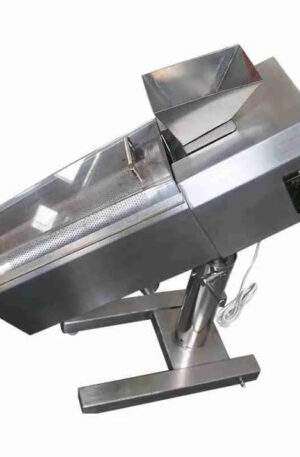
“Revolutionizing Pharmaceutical Manufacturing: The Role of Pharmaceutical Machinery”

Title: “Revolutionizing Pharmaceutical Manufacturing: The Role of Pharmaceutical Machinery”

In the fast-evolving world of pharmaceutical manufacturing, the use of advanced pharmaceutical machinery has become increasingly essential. From table press machines to capsule filling machines, these innovative technologies play a crucial role in ensuring efficiency, accuracy, and quality in the production process.

Table press machines, also known as tablet presses, are a ubiquitous piece of equipment in pharmaceutical manufacturing. These machines are responsible for compressing powdered ingredients into solid tablets of precise dimensions and weight. With the advancement in technology, modern table press machines come equipped with features such as automatic feeding systems, adjustable compression parameters, and real-time monitoring capabilities. This ensures consistent tablet quality and production efficiency, meeting the stringent requirements of the pharmaceutical industry.

On the other hand, capsule filling machines are instrumental in the encapsulation of powders, pellets, or liquids into capsules. These machines offer high-speed filling capacities, allowing for the rapid production of dosage forms. The advent of innovative technologies like the TDP (Tablet Deduster Machine) and THDP (Tablet Hardness Tester Machine) has further enhanced the efficiency and quality control measures in pharmaceutical manufacturing. The TDP efficiently removes excess powder from tablets, while the THDP ensures the hardness and integrity of the tablets meet regulatory standards.

Moreover, the integration of automation and digitalization in pharmaceutical machinery has revolutionized the manufacturing process. Automated systems streamline production, reduce human error, and increase productivity. Real-time monitoring and data analytics provided by these machines offer valuable insights into production metrics, enabling manufacturers to make informed decisions and optimize their processes for cost-effectiveness and quality assurance.

In conclusion, the role of pharmaceutical machinery, including table press machines, capsule filling machines, TDP, and THDP, is pivotal in the modernization of pharmaceutical manufacturing. These advanced technologies drive efficiency, accuracy, and consistency in the production of pharmaceutical products, ensuring compliance with regulatory standards and meeting the increasing demand for high-quality medicines. As the industry continues to evolve, the adoption of innovative pharmaceutical machinery will remain essential for pharmaceutical companies to stay competitive and meet the demands of the global market.