“The Role of Pharmaceutical Machinery in Modern Medicine Manufacturing”

Title: The Role of Pharmaceutical Machinery in Modern Medicine Manufacturing

In the fast-paced world of modern medicine manufacturing, pharmaceutical machinery plays a crucial role in ensuring the efficiency and quality of the production process. Two key pieces of equipment that are essential to the pharmaceutical industry are the table press machine and the capsule filling machine.

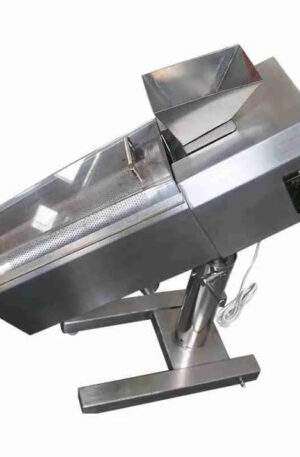
Table press machines, also known as tablet presses, are used in the production of pharmaceutical tablets. These machines are designed to compress powdered ingredients into solid tablets of precise shapes, sizes, and weights. The process begins with the preparation of a powder blend that contains the active pharmaceutical ingredient as well as other excipients. This powder blend is then loaded into the hopper of the table press machine, which uses various mechanisms to compress the powder into tablets. The tablets are then ejected from the machine and may undergo additional processes such as coating or polishing before being packaged for distribution.

On the other hand, capsule filling machines are used to fill empty gelatin or vegetarian capsules with powdered or liquid medication. These machines can be semi-automatic or fully automatic, with the capacity to fill hundreds or thousands of capsules per minute. The process starts with the separation of the empty capsules into their individual halves, which are then filled with the desired medication. The filled capsules are then sealed and ejected from the machine, ready for packaging.

Two popular types of table press machines are the TDP (Tablet Press Machine) and the THDP (Tablet Press Machine). The TDP is a single punch table press machine that is commonly used for small-scale production or for research and development purposes. It is compact, easy to operate, and ideal for producing small batches of tablets. On the other hand, the THDP is a high-speed rotary tablet press machine that is suitable for large-scale production. It is capable of producing thousands of tablets per minute and features advanced technology for precise control and monitoring of the tablet compression process.

In conclusion, pharmaceutical machinery such as table press machines and capsule filling machines play a vital role in the modern medicine manufacturing process. These machines ensure the accurate and efficient production of pharmaceutical products, contributing to the quality and safety of medications available to patients worldwide. The continuous development and innovation in pharmaceutical machinery technology are essential to meet the ever-evolving demands of the pharmaceutical industry and to improve the overall efficiency of medicine manufacturing processes.

Title: “Revolutionizing Pharmaceutical Production with Advanced Pharmaceutical Machinery” Introduction: In recent years, the pharmaceutical industry has witnessed remarkable advancements in technology, particularly in the development of cutting-edge pharmaceutical machinery. These sophisticated machines have revolutionized the way drugs are manufactured, improving efficiency, accuracy, and safety across the production process. Body: 1. The Role of Pharmaceutical Machinery in Drug Manufacturing – Discuss the various types of pharmaceutical machinery used in drug production, such as tablet presses, filling machines, coating machines, and packaging equipment. – Highlight the significance of automation and robotics in streamlining manufacturing processes and ensuring consistency in drug quality. 2. Advantages of Advanced Pharmaceutical Machinery – Explore the benefits of utilizing modern pharmaceutical machinery, including increased production speed, reduced human error, and enhanced product quality. – Explain how these machines enable pharmaceutical companies to meet regulatory requirements and maintain compliance with industry standards. 3. Innovation and Technological Trends in Pharmaceutical Machinery – Delve into the latest innovations in pharmaceutical machinery, such as smart sensors, data analytics, and cloud-based monitoring systems. – Discuss the impact of advanced technologies like artificial intelligence and machine learning on optimizing manufacturing processes and minimizing wastage. 4. Environmental Sustainability and Pharmaceutical Machinery – Address the importance of eco-friendly practices in pharmaceutical manufacturing and the role of sustainable machinery in reducing carbon footprint. – Highlight examples of green initiatives in the industry, such as energy-efficient equipment and waste reduction measures implemented through state-of-the-art machinery. Conclusion: As the pharmaceutical industry continues to evolve and adapt to changing market demands, the integration of advanced pharmaceutical machinery stands out as a key driver of innovation and progress. By embracing technological advancements and prioritizing sustainability, pharmaceutical companies can elevate their production capabilities and deliver high-quality medicines to patients worldwide.

Title: “Revolutionizing Pharmaceutical Production with Advanced Pharmaceutical Machinery”

Introduction:
Recent advancements in the pharmaceutical industry have led to significant progress in drug manufacturing processes, thanks to the development of cutting-edge pharmaceutical machinery. This article explores how advanced equipment like tablet press machines, capsule filling machines, and technologies such as TDP and THDP are transforming the production of pharmaceuticals.

The Role of Pharmaceutical Machinery in Drug Manufacturing:
Pharmaceutical machinery plays a crucial role in the drug manufacturing process. Tablet press machines are used to compress powdered ingredients into tablets of uniform size and shape, ensuring dosage consistency. On the other hand, capsule filling machines are designed to accurately fill empty capsules with the desired medication, offering an alternative dosage form for patients. Technologies like TDP (Tablet Deduster Machine) and THDP (Tablet Hardness Tester) further enhance the efficiency and quality control of pharmaceutical production.

Advantages of Advanced Pharmaceutical Machinery:
The utilization of advanced pharmaceutical machinery offers a multitude of benefits to drug manufacturers. These machines significantly increase production speed, allowing for higher output and meeting market demands more effectively. Moreover, the precision and automation features of tablet press and capsule filling machines reduce the risk of human error, ensuring product quality and compliance with regulatory standards. The implementation of TDP and THDP technologies enables real-time monitoring of tablet quality, contributing to improved overall efficiency in drug manufacturing processes.

Innovation and Technological Trends in Pharmaceutical Machinery:
The pharmaceutical industry is witnessing continuous innovation in machinery technology. Smart sensors integrated into tablet press machines and capsule fillers enable real-time monitoring of production parameters, facilitating prompt adjustments to optimize manufacturing processes. Data analytics tools collect and analyze data throughout the production cycle, offering valuable insights for process optimization and quality control. Cloud-based monitoring systems provide remote access to machine performance data, enhancing operational efficiency and enabling proactive maintenance strategies. Artificial intelligence and machine learning technologies are also being implemented in pharmaceutical machinery to further enhance automation and decision-making capabilities.

Environmental Sustainability and Pharmaceutical Machinery:
In addition to technological advancements, the pharmaceutical industry is increasingly focusing on environmental sustainability in manufacturing practices. Modern pharmaceutical machinery is designed with energy-efficient features to reduce power consumption and minimize environmental impact. Waste reduction measures, such as the use of recyclable materials and responsible disposal practices, are implemented through state-of-the-art machinery to promote sustainability in drug production processes.

Conclusion:
Advanced pharmaceutical machinery, including tablet press machines, capsule filling machines, and technologies like TDP and THDP, are revolutionizing the way drugs are manufactured. By leveraging these cutting-edge equipment and technologies, pharmaceutical companies can enhance production efficiency, improve product quality, and meet regulatory standards. The ongoing innovation and integration of sustainable practices in pharmaceutical machinery underscore the industry’s commitment to delivering high-quality medicines to patients while minimizing environmental footprint.

“The Role of Pharmaceutical Machinery in Modern Drug Manufacturing Processes”

Title: “The Role of Pharmaceutical Machinery in Modern Drug Manufacturing Processes”

Pharmaceutical machinery plays a pivotal role in the modern drug manufacturing industry, enabling efficient and precise production of medications to meet the needs of global healthcare systems. Two key pieces of equipment commonly used in pharmaceutical manufacturing are table press machines and capsule filling machines. These machines, including the Tablet Compression Machine (TDP) and the High-Speed Double Rotary Tablet Press (THDP), are instrumental in the production of various types of pharmaceutical formulations.

Table press machines are essential in the pharmaceutical industry for the compression of powdered ingredients into solid tablets. The Tablet Compression Machine (TDP) is a popular choice due to its versatility and efficiency. It works by compacting the powdered mixture into a specific shape and size, ensuring uniformity and consistency in tablet quality. The TDP is equipped with various features to control the compression force, tablet thickness, and speed of production, allowing for customization according to the specific requirements of different medications.

On the other hand, capsule filling machines are used for filling empty capsule shells with the desired formulation, providing an alternative dosage form for patients who have difficulty swallowing tablets. The High-Speed Double Rotary Tablet Press (THDP) is a high-performance machine capable of filling a large number of capsules quickly and accurately. With advanced technology and precision dosing systems, the THDP ensures uniform filling of capsules with precise quantities of the active pharmaceutical ingredient, excipients, and additives.

In addition to their individual functions, both table press machines and capsule filling machines play a crucial role in improving the overall efficiency and productivity of drug manufacturing processes. By automating repetitive tasks and ensuring accuracy in dosage formulation, these machines contribute to the production of high-quality medications that meet stringent regulatory standards. The use of pharmaceutical machinery like the TDP and THDP also enhances safety in drug manufacturing by reducing the risk of human error and contamination.

Furthermore, the integration of advanced technologies such as electronic monitoring systems and data analytics in pharmaceutical machinery allows for real-time monitoring of production processes and quality control. This ensures consistency in product quality and enables manufacturers to identify and address any deviations promptly. Overall, the utilization of innovative pharmaceutical machinery not only streamlines production processes but also enhances the safety, efficiency, and quality of drug manufacturing operations.

In conclusion, pharmaceutical machinery such as table press machines and capsule filling machines are indispensable tools in modern drug manufacturing processes. The TDP and THDP, along with other advanced equipment, play a vital role in ensuring the efficient and accurate production of pharmaceutical formulations. By investing in state-of-the-art pharmaceutical machinery, manufacturers can uphold high standards of quality, compliance, and patient safety in the development and manufacturing of essential medications for global healthcare needs.

“The Role of Pharmaceutical Machinery in Modern Medicine”

Title: “The Role of Pharmaceutical Machinery in Modern Medicine”

In the realm of modern medicine, pharmaceutical machinery plays a pivotal role in the production of essential medications that save lives and improve health outcomes. Among the various types of pharmaceutical machinery, the table press machine and capsule filling machine stand out as indispensable tools in the pharmaceutical manufacturing process.

Tablet press machines, commonly referred to as TDP machines, are instrumental in the production of tablets by compressing powder formulations into solid dosage forms. These machines utilize mechanical or hydraulic mechanisms to exert pressure on the powder, forming tablets of precise shape, size, and weight. The efficiency and accuracy of table press machines are crucial in ensuring the consistent quality of oral medications.

On the other hand, capsule filling machines, such as the THDP model, automate the encapsulation process by filling empty gelatin or vegetarian capsules with powdered or liquid medications. These machines are designed to maintain dosage accuracy and minimize variability in drug content between individual capsules. By streamlining the encapsulation process, capsule filling machines contribute to the mass production of pharmaceuticals with high levels of uniformity and potency.

The advancements in pharmaceutical machinery have revolutionized the manufacturing process by increasing efficiency, reducing production costs, and enhancing product quality. Automation and digitization have led to improvements in speed, precision, and control in pharmaceutical production, paving the way for the development of complex formulations and customized medications tailored to individual patient needs.

Moreover, pharmaceutical machinery plays a crucial role in ensuring drug safety and compliance with regulatory standards. By incorporating features such as quality control sensors, automatic rejection systems, and data tracking capabilities, modern pharmaceutical machines enable manufacturers to meet stringent quality assurance requirements and adhere to Good Manufacturing Practices (GMP).

In conclusion, the evolution of pharmaceutical machinery, including table press machines, capsule filling machines, TDP, and THDP models, has significantly impacted the pharmaceutical industry. These advanced machines facilitate the efficient production of high-quality medications, driving innovation in drug development and improving patient care worldwide. As technology continues to advance, the role of pharmaceutical machinery in modern medicine will remain indispensable in meeting the evolving needs of patients and healthcare providers.

“The Role of Pharmaceutical Machinery in Ensuring Safe and Efficient Drug Production”

Title: The Role of Pharmaceutical Machinery in Ensuring Safe and Efficient Drug Production

Pharmaceutical machinery plays a crucial role in the production of drugs, ensuring safety, efficiency, and quality in the pharmaceutical industry. Among the various types of pharmaceutical machinery, table press machines and capsule filling machines are two essential pieces of equipment. In this article, we will explore the importance of table press machines, capsule filling machines, and the significance of TDP and THDP machines in the pharmaceutical manufacturing process.

Table press machines are vital in the pharmaceutical industry for the production of tablets. These machines are used to compress powdered or granulated ingredients into solid tablets of uniform size and weight. The efficiency and precision of table press machines are crucial in ensuring the consistent quality of tablets, which is essential for accurate dosing and patient safety.

Similarly, capsule filling machines are essential for encapsulating powdered or liquid medications into capsules. These machines ensure precise filling and sealing of capsules, maintaining the integrity and efficacy of the medication. By automating the capsule filling process, these machines improve efficiency and reduce the risk of errors associated with manual capsule filling.

TDP (Tablet Press) and THDP (Tablet Hardness Tester) machines are key components in tablet production. TDP machines are used to compress powdered ingredients into tablets, while THDP machines measure the hardness of the tablets to ensure that they meet quality standards. The combination of TDP and THDP machines plays a critical role in guaranteeing the quality and consistency of tablets produced in pharmaceutical manufacturing.

In conclusion, pharmaceutical machinery, including table press machines, capsule filling machines, TDP, and THDP machines, are essential for ensuring safe and efficient drug production in the pharmaceutical industry. These machines not only improve production efficiency but also contribute to the quality and consistency of pharmaceutical products. It is crucial for pharmaceutical companies to invest in high-quality machinery and adhere to strict manufacturing standards to ensure the safety and efficacy of medications for patients worldwide.

“The Role of Pharmaceutical Machinery in the Modern Healthcare Industry”

Title: The Role of Pharmaceutical Machinery in the Modern Healthcare Industry

In the modern healthcare industry, the role of pharmaceutical machinery is crucial in ensuring the efficient and effective production of medications. Pharmaceutical machinery encompasses a wide range of equipment, including table press machines, capsule filling machines, and various other specialized tools such as TDP and THDP machines. These machines play a vital role in the manufacturing process of pharmaceutical products, ensuring accurate dosing, efficient production, and high-quality output.

Table press machines are commonly used in the pharmaceutical industry to compress powdered ingredients into solid tablets. These machines are designed to exert specific amounts of pressure to form tablets of uniform size and weight. By controlling the compression force, speed, and other parameters, table press machines can produce tablets with precise characteristics to meet the requirements of different medications.

Capsule filling machines are another essential piece of pharmaceutical machinery that is utilized for encapsulating powdered or liquid medications into gelatin or vegetarian capsules. These machines ensure accurate dosing of active ingredients, provide a hygienic environment for production, and enable high-speed filling to meet the demands of the market. With the ability to fill a large number of capsules in a short period, capsule filling machines are indispensable in pharmaceutical manufacturing.

TDP (Tablet press) and THDP (Tablet hardness tester) machines are advanced pharmaceutical machinery used to test the quality and characteristics of tablets. TDP machines are employed to assess the hardness, thickness, and diameter of tablets, ensuring that they meet the required specifications for dissolution and absorption. On the other hand, THDP machines measure the hardness of tablets by applying a specific amount of force to determine their strength and durability.

In conclusion, pharmaceutical machinery, including table press machines, capsule filling machines, TDP, and THDP machines, plays a vital role in the modern healthcare industry. These machines enable the efficient and precise production of medications, ensuring that pharmaceutical products meet the necessary quality standards and regulatory requirements. With the continuous advancements in technology, pharmaceutical machinery will continue to evolve, driving innovation and improving manufacturing processes in the pharmaceutical industry.

“The Role of Pharmaceutical Machinery in Modern Drug Manufacturing”

Title: The Role of Pharmaceutical Machinery in Modern Drug Manufacturing

In the pharmaceutical industry, the use of advanced machinery plays a crucial role in the production of high-quality drugs. Two key types of machinery that are essential in drug manufacturing are the table press machine and the capsule filling machine.

Table press machines, also known as tablet presses, are utilized in the process of compressing powdered ingredients into solid tablets. These machines are designed to accurately and efficiently produce tablets of uniform size, shape, and weight. The technology behind table press machines has evolved over the years, with modern models incorporating features such as automated feeding systems and real-time monitoring to ensure product consistency.

On the other hand, capsule filling machines are used to fill empty capsule shells with the desired medication or formulation. These machines come in various configurations to accommodate different types of capsules and production requirements. The technology used in capsule filling machines has advanced significantly, with some models capable of high-speed filling and precise dosing to meet the demands of modern drug manufacturing.

One popular type of table press machine is the TDP (Tablet Press) series, which is known for its reliability and ease of use. The TDP series offers flexibility in terms of production capacity and can be configured to produce tablets of different shapes and sizes. Additionally, the TDP series is designed for easy cleaning and maintenance, making it a convenient choice for pharmaceutical companies.

Another innovative table press machine is the THDP (High-Speed Tablet Press) series, which is designed for high-volume production and rapid tablet output. The THDP series is equipped with advanced features such as automatic weight control and quality monitoring systems to ensure accurate and consistent tablet production. Pharmaceutical manufacturers often choose the THDP series for its efficiency and productivity in large-scale drug production.

In conclusion, the utilization of advanced pharmaceutical machinery, such as table press machines and capsule filling machines, is essential in modern drug manufacturing. The technological advancements in these machines, including the TDP and THDP series, have revolutionized the way drugs are produced, ensuring efficiency, quality, and consistency in pharmaceutical production processes. Pharmaceutical companies rely on these innovative machines to meet the growing demands of the healthcare industry and deliver safe and effective medications to patients worldwide.

Title: The Evolution of Pharmaceutical Machinery: A Comprehensive Overview

“The Evolution of Pharmaceutical Machinery: A Comprehensive Overview”

Pharmaceutical machinery has played a pivotal role in the production of medicines and healthcare products for decades. With advancements in technology and innovation driving the industry forward, the evolution of pharmaceutical machinery is a fascinating journey to explore. In this article, we will delve into the development of key machines such as the table press machine, capsule filling machine, and the evolution from TDP (Tablet Press) to THDP (Tablet Hardness Tester).

The table press machine is a fundamental piece of equipment in pharmaceutical manufacturing. It is used to compress powdered ingredients into solid tablets of precise weights and sizes. Over the years, the design and functionality of table press machines have evolved significantly. Modern table press machines are equipped with advanced features such as automatic feeding systems, touch screen controls, and real-time monitoring capabilities. These improvements have not only enhanced efficiency and productivity but also ensured the quality and consistency of the tablets produced.

Capsule filling machines are another essential component of pharmaceutical machinery. These machines are designed to fill empty capsules with the desired dosage of powdered or granulated ingredients. The evolution of capsule filling machines has seen the development of semi-automatic and fully automatic models that can achieve high-speed filling with minimal wastage. Advanced capsule filling machines also offer features like precision dosing, multiple capsule size compatibility, and easy cleaning and maintenance, making them indispensable in pharmaceutical production facilities.

In recent years, there has been a shift from traditional TDP machines to more advanced THDP machines in pharmaceutical manufacturing. TDP machines were primarily used for tablet pressing, but they lacked the capability to measure tablet hardness accurately. This limitation was addressed with the introduction of THDP machines, which not only press tablets but also measure their hardness to ensure uniform quality. The integration of hardness testing in the tablet production process has become crucial for maintaining consistent tablet quality and meeting regulatory standards.

In conclusion, the evolution of pharmaceutical machinery, including table press machines, capsule filling machines, and the transition from TDP to THDP machines, highlights the industry’s commitment to innovation and quality. As technology continues to advance, pharmaceutical machinery will undoubtedly evolve further, driving efficiency, precision, and compliance in drug manufacturing processes. It is clear that these advancements are crucial for ensuring the safety and efficacy of pharmaceutical products for patients worldwide.

Title: The Role of Pharmaceutical Machinery in Modern Medicine

Title: The Role of Pharmaceutical Machinery in Modern Medicine

In the fast-paced world of modern medicine, the role of pharmaceutical machinery is indispensable. From the production of tablets to capsules, machines such as table press machines, capsule filling machines, TDP (Tablet Press) machines, and THDP (Tablet Hardness Testing) machines play a vital role in ensuring the efficiency and quality of pharmaceutical products.

Tablet press machines are a crucial component of pharmaceutical machinery, used in the manufacturing process of tablets. These machines compress powders into solid tablets of precise size and weight. By exerting controlled pressure on the powders, tablet press machines ensure uniformity and consistency in each tablet produced. Furthermore, modern table press machines are equipped with advanced technology to monitor and adjust parameters such as compression force and speed, resulting in high-quality tablets that meet pharmaceutical standards.

Another essential pharmaceutical machine is the capsule filling machine. These machines automate the process of filling empty capsules with a pre-measured quantity of powdered or granulated ingredients. By utilizing capsule filling machines, pharmaceutical companies can achieve high levels of accuracy and efficiency in producing capsules with consistent dosages. This ensures that patients receive the correct medication dosage, enhancing the efficacy and safety of pharmaceutical products.

TDP machines, also known as Tablet Press machines, are specifically designed for the production of tablets. These machines are capable of high-speed production, making them ideal for large-scale pharmaceutical manufacturing. TDP machines offer precise control over the tablet compression process, resulting in tablets with uniform weight, thickness, and hardness. By utilizing TDP machines, pharmaceutical companies can increase their production capacity while maintaining product quality and consistency.

In addition to production machines, THDP machines play a crucial role in quality control within the pharmaceutical industry. Tablet hardness testing machines measure the hardness and integrity of tablets, ensuring that they meet the required specifications for dissolution and absorption in the body. By utilizing THDP machines, pharmaceutical companies can verify the quality of their tablets and identify any issues that may affect their performance.

In conclusion, pharmaceutical machinery such as table press machines, capsule filling machines, TDP machines, and THDP machines are essential components of modern medicine manufacturing. These machines enable pharmaceutical companies to produce high-quality tablets and capsules efficiently and consistently. By investing in advanced pharmaceutical machinery, companies can ensure the safety, efficacy, and quality of the medications that reach patients worldwide.

“Revolutionizing the Pharmaceutical Industry: The Impact of Modern Drug Manufacturing Technologies”

Title: Revolutionizing the Pharmaceutical Industry: The Impact of Modern Drug Manufacturing Technologies

In recent years, the pharmaceutical industry has witnessed a profound transformation with the integration of advanced drug manufacturing technologies. Among these innovative technologies, table press machines, capsule filling machines, TDP (Tablet Deduster Press), and THDP (Tablet Hardness Testing Machine) have emerged as key players in revolutionizing drug production processes.

Tablet press machines play a crucial role in pharmaceutical manufacturing by efficiently converting powdered ingredients into compressed tablets of uniform size and weight. These machines utilize intricate mechanisms to exert precise pressure on the powders, resulting in the formation of tablets with consistent quality and dosage. The automation and digital controls integrated into modern table press machines have significantly enhanced production efficiency and product accuracy.

Similarly, capsule filling machines have revolutionized the encapsulation process by enabling pharmaceutical companies to produce large volumes of capsules rapidly. These machines are designed to fill empty gelatin or vegetable-based capsules with precise amounts of powdered or granulated drugs. Through automation and advanced filling techniques, capsule filling machines ensure uniformity in dose concentration and eliminate the risk of human error in the encapsulation process.

In addition to table press and capsule filling machines, the pharmaceutical industry has also seen the widespread adoption of TDP and THDP technologies. The Tablet Deduster Press (TDP) is a critical component in tablet production lines, responsible for removing excess powder from compressed tablets to ensure a clean and polished surface. By eliminating dust and fine particles, TDP machines enhance the aesthetic appeal of tablets and prevent contamination.

On the other hand, Tablet Hardness Testing Machines (THDP) are instrumental in validating the structural integrity and hardness of tablets. These sophisticated machines apply controlled pressure to tablets and accurately measure their mechanical strength. By assessing the hardness of tablets, pharmaceutical manufacturers can guarantee the quality and durability of the final product, ensuring patient safety and regulatory compliance.

Overall, the integration of modern drug manufacturing technologies such as table press machines, capsule filling machines, TDP, and THDP has significantly improved the efficiency, accuracy, and quality of pharmaceutical production. With these advanced technologies at their disposal, pharmaceutical companies can streamline manufacturing processes, enhance product consistency, and meet the growing demand for safe and effective medications. The revolutionizing impact of these technologies underscores the continuous evolution of the pharmaceutical industry towards innovation and excellence in drug manufacturing.