“The Evolution of Pharmaceutical Machinery: From Traditional to Modern Technology”

Title: “The Evolution of Pharmaceutical Machinery: From Traditional to Modern Technology”

In the pharmaceutical industry, the use of machinery has significantly evolved over the years, transforming the way medications are produced. From traditional methods to the incorporation of modern technology, advancements in pharmaceutical machinery have played a crucial role in improving efficiency, precision, and overall drug quality.

Traditional pharmaceutical manufacturing initially relied on manual labor for processes such as tablet pressing. The introduction of table press machines revolutionized this aspect of production, allowing for the mass production of tablets with consistent quality and dosage. Table press machines, such as those utilizing the TDP (Tablet Press) technology, became the backbone of tablet manufacturing in the pharmaceutical industry.

Furthermore, capsule filling machines have also undergone significant advancements over the years. Initially, manual encapsulation was the norm, but with the introduction of capsule filling machines, the process became automated, ensuring precise filling of capsules with the required medication. Modern capsule filling machines, including those utilizing technologies like THDP (Thermoforming Dip and Pull), have further enhanced efficiency and accuracy in the production process.

The shift towards modern technology in pharmaceutical machinery has brought about numerous benefits. Automation has not only increased productivity but has also minimized the risk of human error, leading to improved drug quality and consistency. Additionally, modern machines equipped with advanced features offer increased flexibility in manufacturing different types of medications, catering to the diverse needs of the pharmaceutical market.

Moreover, the integration of smart technologies and data-driven processes in pharmaceutical machinery has further revolutionized the industry. Real-time monitoring and control systems ensure optimal production conditions, resulting in higher efficiency and reduced wastage. The implementation of Industry 4.0 concepts in pharmaceutical machinery has paved the way for interconnected and intelligent manufacturing systems that support predictive maintenance and efficient production planning.

In conclusion, the evolution of pharmaceutical machinery from traditional to modern technology has been instrumental in shaping the industry. The adoption of advanced machines, such as table press machines and capsule filling machines featuring technologies like TDP and THDP, has improved production processes, quality control, and overall efficiency in pharmaceutical manufacturing. With continuous innovation and adaptation to new technologies, the pharmaceutical industry is poised to achieve greater heights in the years to come.
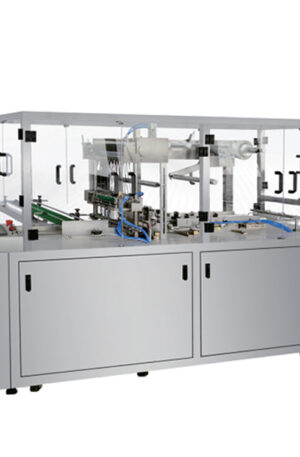
“The Evolution of Pharmaceutical Machinery: From Traditional to Modern Technologies”

Title: The Evolution of Pharmaceutical Machinery: From Traditional to Modern Technologies

Pharmaceutical machinery plays a crucial role in the process of manufacturing medicines. Over the years, there has been a significant evolution in the technologies and equipment used in the pharmaceutical industry. This evolution has led to increased efficiency, accuracy, and speed in the production of medications.

One of the traditional machines used in pharmaceutical manufacturing is the table press machine. Table press machines are essential for compressing powdered ingredients into solid tablets. These machines have been a staple in pharmaceutical production for many years, providing a cost-effective and reliable method for tablet manufacturing. However, with advances in technology, traditional table press machines are gradually being replaced by more advanced and efficient models.

In modern pharmaceutical manufacturing, capsule filling machines have become increasingly popular. These machines are used to fill empty capsules with the appropriate dosage of medication. Capsule filling machines offer greater precision and flexibility compared to traditional table press machines. They allow for the customization of dosages, making them ideal for producing a wide variety of medications with different specifications.

Two common types of capsule filling machines are the TDP (Tablet Deduster and Polisher) machine and the THDP (Tablet Hardness Tester) machine. The TDP machine is used to remove excess powder, debris, or foreign particles from the surface of tablets, ensuring a clean and polished finish. On the other hand, the THDP machine is used to test the hardness and durability of tablets, ensuring that they meet the necessary quality standards before reaching consumers.

Overall, the transition from traditional table press machines to modern capsule filling machines represents a significant advancement in pharmaceutical machinery. The introduction of new technologies has revolutionized the pharmaceutical manufacturing process, making it more efficient, precise, and cost-effective. As the pharmaceutical industry continues to evolve, it is essential for manufacturers to adapt to these technological advancements to meet the growing demand for high-quality medications.

“The Evolution of Pharmaceutical Machinery: From Conventional to Advanced Technology”

Title: The Evolution of Pharmaceutical Machinery: From Conventional to Advanced Technology

Pharmaceutical machinery has undergone significant transformations over the years, transitioning from conventional to advanced technology to meet the growing demands of the industry. This evolution has been particularly evident in the development of table press machines and capsule filling machines, with innovations like TDP and THDP revolutionizing the manufacturing process.

In the past, pharmaceutical companies relied on manual labor and basic machinery to produce tablets and capsules. However, with the increasing need for efficiency, accuracy, and consistency in drug manufacturing, there arose a demand for more sophisticated equipment. This led to the introduction of table press machines, which are used to compress powdered ingredients into tablets of uniform size and shape.

The Traditional Tablet Press (TDP) was one of the earliest versions of this equipment, featuring mechanical operation and limited automation. While TDP machines were an improvement over manual methods, they still had certain drawbacks, such as lower production capacity and variability in tablet quality. Recognizing the need for further enhancements, manufacturers introduced the Thoroughly Hydraulic Tablet Press (THDP), which offered greater control over the compression process through hydraulic systems.

THDP machines utilize hydraulic pressure to exert consistent force on the granules, resulting in tablets with precise dimensions and weight. This level of automation and control not only improves the quality of the final product but also enhances production efficiency by reducing the risk of human error. Moreover, THDP machines are designed to meet the regulatory standards set by authorities like the FDA, ensuring compliance with Good Manufacturing Practices (GMP).

In recent years, the pharmaceutical industry has witnessed a shift towards even more advanced technologies in machinery, driven by the need for faster production rates and enhanced product quality. Modern table press machines and capsule filling machines now incorporate features like electronic monitoring, automatic adjustments, and data tracking systems to optimize the manufacturing process.

The integration of digital controls and artificial intelligence has further transformed pharmaceutical machinery, enabling real-time monitoring of production parameters and predictive maintenance scheduling. This proactive approach not only minimizes downtime but also ensures continuous operation without compromising on quality and safety standards.

In conclusion, the evolution of pharmaceutical machinery from conventional to advanced technology has revolutionized the way tablets and capsules are manufactured. The introduction of innovative solutions like TDP and THDP machines has greatly improved production efficiency, product quality, and regulatory compliance in the pharmaceutical industry. As technology continues to advance, we can expect further developments in machinery that will redefine the future of drug manufacturing.