“The Role of Pharmaceutical Machinery in Modern Healthcare”

Title: “The Role of Pharmaceutical Machinery in Modern Healthcare”

In the field of pharmaceuticals, the role of machinery cannot be overstated. Pharmaceutical machinery plays a crucial role in the production of various medications, ensuring efficiency, accuracy, and safety in the manufacturing process. Two key pieces of equipment in pharmaceutical production are the table press machine and capsule filling machine.

Table press machines are essential in the production of tablets, which are one of the most common forms of medication. These machines are used to compress powdered ingredients into solid tablet form. The process involves filling the machine with the powdered mixture, which is then compressed under high pressure to form tablets of uniform size and weight. Table press machines come in various models and capacities, such as TDP (Tablet Press) and THDP (High-Speed Tablet Press), allowing pharmaceutical companies to produce tablets in large quantities efficiently.

Capsule filling machines, on the other hand, are used in the encapsulation process of medications. These machines are designed to fill empty gelatin capsules with the desired dosage of powdered or granulated medication. The process involves filling the machine with empty capsules and the medication mixture, which is then accurately dispensed into the capsules before sealing them. Capsule filling machines ensure the precise dosing of medications and the uniform filling of capsules, contributing to the safety and efficacy of the final product.

The advancement of technology has revolutionized pharmaceutical machinery, leading to increased automation, precision, and quality control in the manufacturing process. Modern table press machines incorporate features such as electronic controls, automated filling systems, and data monitoring capabilities, enhancing efficiency and accuracy. Similarly, capsule filling machines have evolved to include advanced mechanisms for precise dosing, capsule orientation, and rejection of defective capsules, ensuring high-quality production standards.

In conclusion, pharmaceutical machinery, including table press machines and capsule filling machines, plays a pivotal role in modern healthcare by ensuring the efficient and accurate production of medications. With the continuous advancement of technology and innovation in the field of pharmaceutical machinery, the industry is poised to meet the growing demands for safer and more effective medications.

Word Count: 304
The Role of Pharmaceutical Machinery in Ensuring Safe and Effective Medication Production

Title: The Role of Pharmaceutical Machinery in Ensuring Safe and Effective Medication Production

Pharmaceutical machinery plays a crucial role in the manufacturing process of medications, ensuring safety, accuracy, and efficiency. Two vital pieces of equipment commonly used in pharmaceutical production are table press machines and capsule filling machines. These machines are essential in the production of tablets and capsules, the two most common forms of medication consumed worldwide.

Table press machines, also known as tablet presses, are utilized to compress powdered or granular ingredients into a solid dose form. These machines come in various types and sizes, with the single punch tablet press and rotary tablet press being the most common. The tablet press process involves the compression of ingredients under high pressure to form tablets of consistent size, shape, and weight. One popular type of table press machine is the TDP (Tablet Press Machine), which is widely used in pharmaceutical production facilities. The TDP offers precise control over the tablet compression process, ensuring uniformity and quality in the final product.

Capsule filling machines, on the other hand, are designed to fill empty capsule shells with powdered or granulated medication. These machines automate the process of filling and sealing capsules, increasing productivity and reducing human error. The THDP (Tablet and Capsule High Speed Double Rotary Press), is a versatile machine capable of both tablet and capsule production. The THDP offers high-speed performance and precise control over dosing, making it an essential piece of equipment in pharmaceutical manufacturing facilities.

The use of pharmaceutical machinery such as table press machines and capsule filling machines is critical in ensuring the safe and effective production of medications. These machines help maintain consistency in dosing, improve product quality, and reduce the risk of contamination. By automating key processes in medication production, pharmaceutical machinery enhances efficiency and accuracy, ultimately leading to better healthcare outcomes for patients.

In conclusion, pharmaceutical machinery, including table press machines and capsule filling machines like the TDP and THDP, play a vital role in the production of safe and effective medications. These machines help pharmaceutical companies meet stringent quality standards, ensure product uniformity, and enhance overall manufacturing efficiency. With the continuous advancement of technology, pharmaceutical machinery continues to evolve, driving innovation in the pharmaceutical industry and ultimately benefiting patients worldwide.

“The Evolution of Pharmaceutical Manufacturing Machinery: Innovations and Impact on the Industry”

Title: “The Evolution of Pharmaceutical Manufacturing Machinery: Innovations and Impact on the Industry”
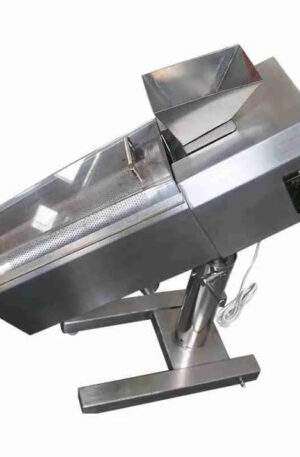
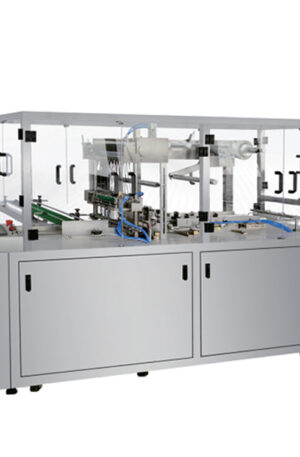
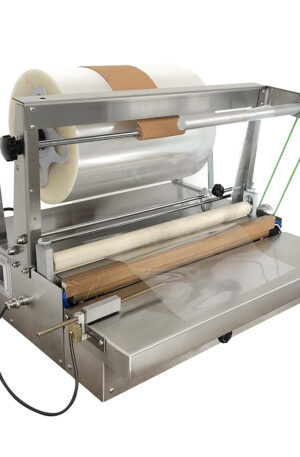
Pharmaceutical manufacturing machinery has undergone significant evolution over the years, with innovations such as the table press machine, capsule filling machine, TDP, and THDP shaping the industry. These technological advancements have revolutionized the way pharmaceutical products are produced, impacting efficiency, quality, and overall production processes.

The table press machine, for example, is a key component in pharmaceutical manufacturing. Also known as a tablet press or pill press, this machine is used to compress powder into tablets of uniform size and shape. The table press machine plays a crucial role in the production of oral solid dosage forms, offering precise control over tablet weight, hardness, and other important parameters.

Another essential piece of machinery in pharmaceutical manufacturing is the capsule filling machine. This equipment is used to fill empty gelatin or vegetarian capsules with powders, granules, or pellets. The capsule filling machine allows for accurate dosing and precise filling, ensuring that each capsule contains the correct amount of active ingredient.

TDP (Table-top Tablet Press) and THDP (Table-top High-speed Tablet Press) are two variations of table press machines that offer increased production capacity and efficiency. TDP machines are compact and versatile, suitable for small-scale production, while THDP machines are designed for high-speed production lines, offering faster tablet output and enhanced performance.

The evolution of pharmaceutical manufacturing machinery has had a profound impact on the industry. These innovations have led to increased automation, improved productivity, and enhanced product quality. The use of advanced machinery has also enabled pharmaceutical companies to meet regulatory requirements and ensure compliance with quality standards.

In conclusion, the evolution of pharmaceutical manufacturing machinery, including the table press machine, capsule filling machine, TDP, and THDP, has transformed the industry’s production capabilities. These innovations have revolutionized the way pharmaceutical products are manufactured, contributing to efficiency, precision, and overall quality in pharmaceutical manufacturing processes.