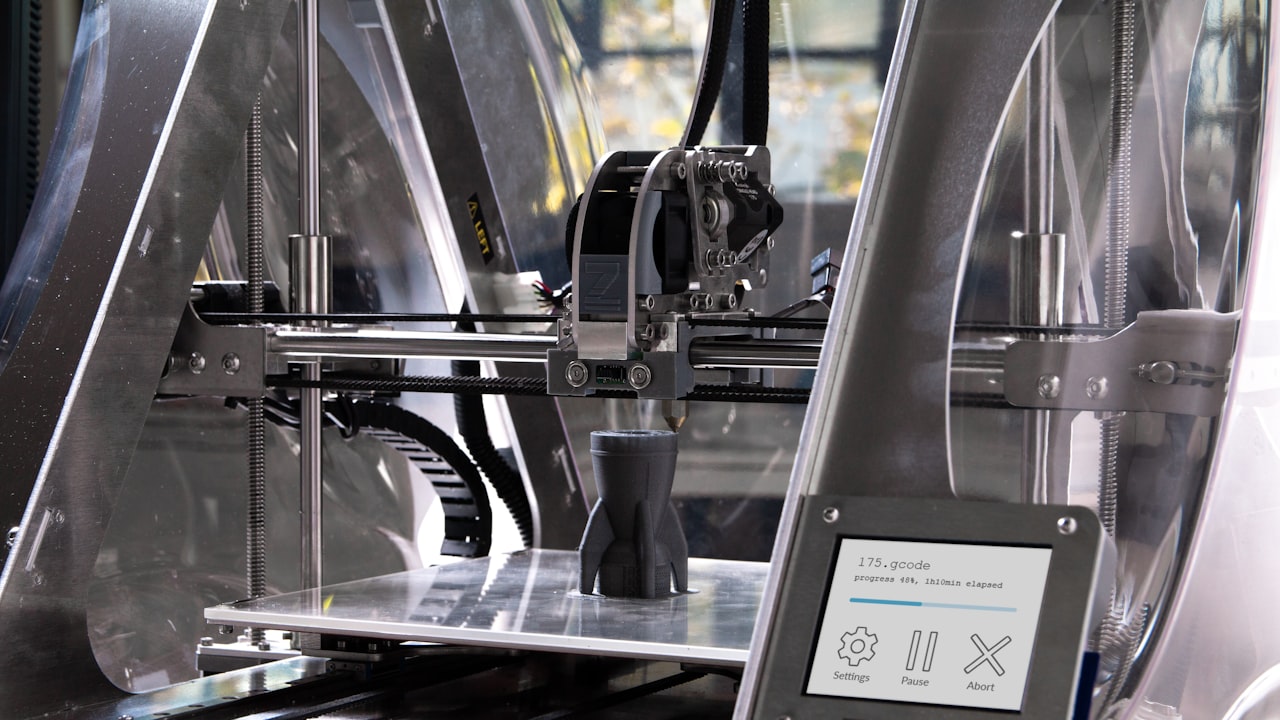
“Revolutionizing Pharmaceutical Manufacturing: The Role of Pharmaceutical Machinery”

Title: Revolutionizing Pharmaceutical Manufacturing: The Role of Pharmaceutical Machinery

In the realm of pharmaceutical manufacturing, the use of advanced equipment has revolutionized the industry. The evolution of pharmaceutical machinery, especially table press machines and capsule filling machines, has significantly improved the efficiency and precision of the production process. This article explores the impact of table press machines, capsule filling machines, including the TDP (Tablet Press) and THDP (High-Speed Tablet Press) machines, on pharmaceutical manufacturing.

Tablet press machines are a vital component of pharmaceutical manufacturing, responsible for compressing powders into tablets. The development of advanced table press machines, such as the TDP series, has enabled pharmaceutical companies to produce tablets with precise dosages and consistent quality. These machines utilize high pressure to compress powders into tablets of various shapes and sizes, meeting the diverse needs of the pharmaceutical industry.

On the other hand, capsule filling machines offer a practical solution for encapsulating powders, granules, or pellets into capsules. The automation and precision of capsule filling machines ensure uniformity in dosage and improve the overall efficiency of the manufacturing process. The THDP machines, known for their high-speed performance and accuracy, have elevated the production capacity of pharmaceutical companies, meeting the rising demands for pharmaceutical products.

The integration of table press machines and capsule filling machines in pharmaceutical manufacturing has not only increased productivity but also enhanced product quality and consistency. The automation of these processes reduces human errors and ensures compliance with regulatory standards. Pharmaceutical companies can now produce medications at a faster rate without compromising on quality, ultimately benefiting patients worldwide.

Furthermore, the advancements in pharmaceutical machinery have paved the way for innovation in drug delivery systems. From immediate-release tablets to extended-release capsules, pharmaceutical manufacturers can now develop a wide range of dosage forms to cater to different patient needs. The flexibility and versatility of table press and capsule filling machines have enabled researchers to explore new formulations and improve treatment options for various medical conditions.

In conclusion, pharmaceutical machinery, particularly table press machines and capsule filling machines like the TDP and THDP models, play a crucial role in revolutionizing pharmaceutical manufacturing. These machines have enhanced efficiency, accuracy, and quality in the production of pharmaceutical products. As technology continues to advance, pharmaceutical companies must continue to invest in state-of-the-art machinery to stay competitive in the dynamic pharmaceutical industry.

The Revolutionary Impact of Pharmaceutical Machines on Drug Production

Title: The Revolutionary Impact of Pharmaceutical Machines on Drug Production

Pharmaceutical machines have significantly transformed the landscape of drug production, enhancing efficiency, accuracy, and safety in the manufacturing process. Among the various types of pharmaceutical machines, the table press machine and the capsule filling machine stand out as crucial components in the production of medications.

The table press machine, also known as a tablet press machine, plays a pivotal role in the pharmaceutical industry by compressing powder formulations into solid dosage forms. This machine utilizes mechanical or hydraulic pressure to form tablets of uniform size, shape, and weight. One of the popular table press machines used in the industry is the TDP (Tablet Press) series. The TDP machines are known for their compact design, high precision, and user-friendly operation. They can accommodate different tablet sizes and shapes, making them versatile for various drug formulations.

On the other hand, the capsule filling machine automates the process of filling powders, pellets, or granules into empty capsule shells. This machine ensures accurate dosage and minimizes wastage of active pharmaceutical ingredients. The THDP (Turret Head) capsule filling machines are widely used in the pharmaceutical industry for their high-speed production capabilities and precision dosing technology. They are equipped with advanced features such as weight control systems and self-cleaning mechanisms, ensuring the production of high-quality capsules.

The integration of table press machines and capsule filling machines in pharmaceutical production has revolutionized drug manufacturing processes. These machines offer numerous benefits, including increased production efficiency, reduced labor costs, and improved product quality. Automation provided by these machines minimizes human error, resulting in more consistent and precise dosage forms. Additionally, the use of pharmaceutical machines enhances the safety standards in drug production by reducing the risk of contamination and cross-contamination.

Furthermore, the advanced technology incorporated into modern pharmaceutical machines allows for greater flexibility in manufacturing different types of medications. Pharmaceutical companies can easily adapt to changing market demands and produce a wide range of drug formulations efficiently. The scalability of these machines enables manufacturers to increase production capacity as needed without compromising on product quality.

In conclusion, the utilization of table press machines and capsule filling machines such as the TDP and THDP models has brought about a revolutionary impact on drug production in the pharmaceutical industry. These machines have streamlined the manufacturing process, ensuring precision, efficiency, and safety in the production of various medications. As technology continues to advance, pharmaceutical machines will play an increasingly vital role in shaping the future of drug manufacturing.

Title: “Revolutionizing Healthcare: The Role of Pharmaceutical Machinery in Modern Medicine”

Title: “Revolutionizing Healthcare: The Role of Pharmaceutical Machinery in Modern Medicine”
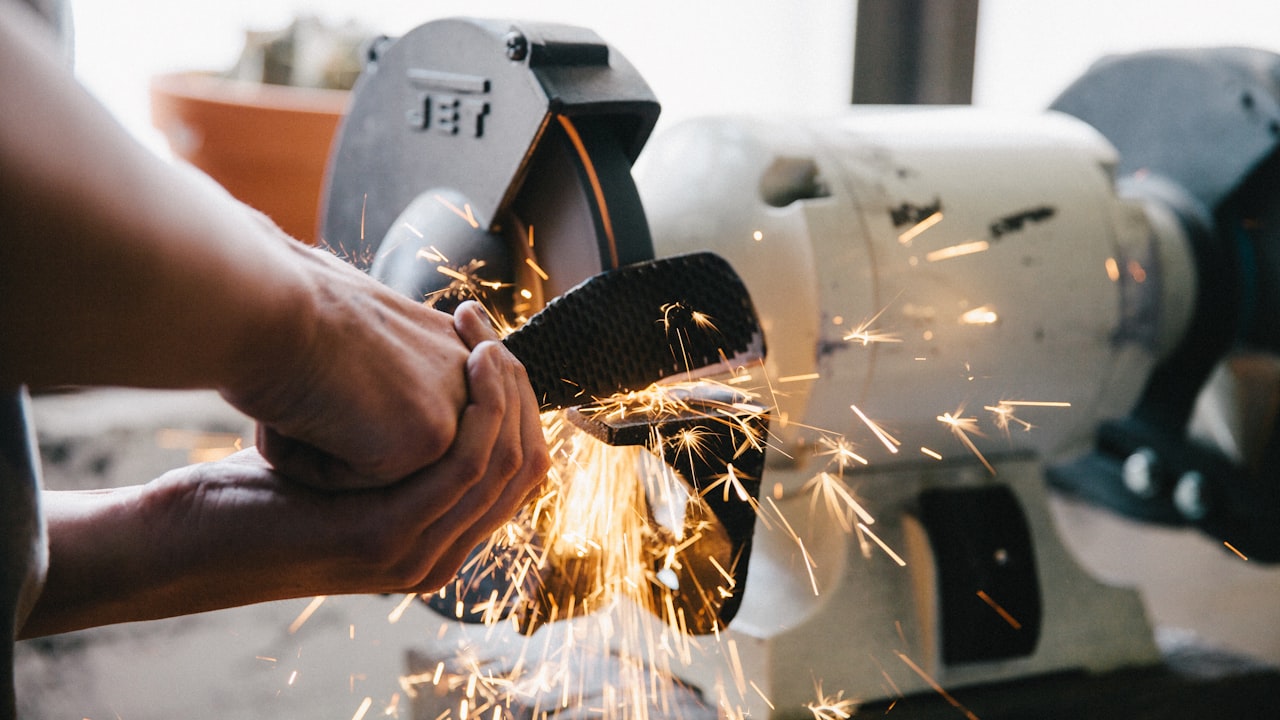
In the ever-evolving landscape of modern healthcare, the importance of pharmaceutical machinery cannot be overstated. These intricate and highly specialized machines play a vital role in the production of life-saving medications, ensuring accuracy, efficiency, and safety throughout the manufacturing process. Two key pieces of pharmaceutical machinery that stand out in this regard are the table press machine and the capsule filling machine.

Table press machines, also known as tablet presses, are essential in the production of pharmaceutical tablets. These machines work by compressing powdered ingredients into compact, uniform tablets of precise dosage. With the advancement of technology, modern table press machines offer a high degree of accuracy and speed in tablet production. Manufacturers can choose from a range of table press machines, each designed for specific tablet sizes and production volumes. The Tablet Press TDP and THDP series are among the most popular choices in the pharmaceutical industry, known for their reliability and consistency in tablet manufacturing.

Capsule filling machines, on the other hand, are instrumental in the encapsulation of pharmaceutical powders or liquids. These machines automate the process of filling empty capsule shells with the desired medication, sealing them for oral consumption. Capsule filling machines come in various models to accommodate different capsule sizes and production capacities. Like table press machines, the efficiency and precision of capsule filling machines have improved significantly over the years. Pharmaceutical manufacturers rely on these machines to ensure the accurate dosing of medications and the seamless production of capsules for various formulations.

The Tablet Press TDP series is a standout example of pharmaceutical machinery that has revolutionized the tablet production process. Combining cutting-edge technology with robust construction, the TDP series offers unmatched performance and versatility in tablet pressing. Whether manufacturing standard tablets, chewable tablets, or effervescent tablets, the TDP series delivers consistent quality and dosage accuracy with every production run. Pharmaceutical companies worldwide trust the TDP series for its reliability and efficiency in tablet manufacturing.

Similarly, the THDP Capsule Filling Machine has transformed the encapsulation process, making it faster, more precise, and cost-effective. This advanced machine is equipped with features such as automatic filling, tamping, and capsule closing, streamlining the production of capsules with minimal human intervention. The THDP Capsule Filling Machine is renowned for its flexibility in handling various capsule sizes and formulations, catering to the diverse needs of pharmaceutical manufacturers.

In conclusion, pharmaceutical machinery, including table press machines and capsule filling machines, plays a critical role in modern medicine. These advanced machines have revolutionized the way medications are manufactured, ensuring quality, accuracy, and efficiency in the production process. With innovations such as the Tablet Press TDP and THDP series, pharmaceutical manufacturers can meet the increasing demand for safe and effective medications, contributing to the advancement of healthcare worldwide.

“The Advancements in Pharmaceutical Machinery: Revolutionizing Drug Manufacturing”

Title: The Advancements in Pharmaceutical Machinery: Revolutionizing Drug Manufacturing

In the realm of pharmaceuticals, the evolution of machinery has played a pivotal role in enhancing the efficiency and precision of drug manufacturing processes. Among the key innovations in this field are the table press machine, capsule filling machine, TDP, and THDP, which have significantly revolutionized the way pharmaceutical products are developed and produced.

Table press machines are integral to the production of compressed tablets, which constitute a common dosage form for medication. These machines exert enormous pressure to compact powdered ingredients into cohesive tablets of uniform size and weight. The advent of automated table press machines has not only increased the speed of production but also improved the consistency and quality of the tablets manufactured.

Similarly, capsule filling machines have transformed the encapsulation process by automating the filling of empty capsules with precise amounts of pharmaceutical formulations. This automation has not only expedited the manufacturing process but has also reduced the scope for human error and contamination. With advancements such as adjustable dosing systems and high-speed capsule filling capabilities, modern capsule filling machines have become indispensable in pharmaceutical manufacturing facilities.

TDP (Tablet Press Machine) and THDP (Tablet High-Speed Double Press) are sophisticated iterations of traditional table press machines that offer enhanced production capacity and efficiency. TDP machines are known for their ability to manufacture large quantities of tablets quickly, while THDP machines excel in high-speed production with dual pressing mechanisms. These cutting-edge machines have revolutionized tablet production by combining speed, precision, and versatility to meet the escalating demand for pharmaceutical tablets.

The integration of these advanced pharmaceutical machines has not only streamlined the manufacturing process but has also paved the way for improved drug quality, consistency, and cost-effectiveness. The precise control and automation capabilities of these machines have significantly reduced human intervention, thereby minimizing errors and ensuring compliance with stringent regulatory standards.

In conclusion, the technological advancements in pharmaceutical machinery, including table press machines, capsule filling machines, TDP, and THDP, have revolutionized drug manufacturing by enhancing efficiency, precision, and quality. As the pharmaceutical industry continues to evolve, these innovative machines will play a crucial role in meeting the growing demand for safe and effective medications while driving advancements in pharmaceutical manufacturing processes.