“The Role of Pharmaceutical Machinery in Modern Drug Manufacturing”

Title: The Role of Pharmaceutical Machinery in Modern Drug Manufacturing

In the realm of pharmaceutical manufacturing, the importance of cutting-edge machinery cannot be overstated. From the production of tablets to the filling of capsules, specialized equipment plays a pivotal role in ensuring the efficiency, precision, and safety of the drug manufacturing process. Two key pieces of machinery that have revolutionized the industry are the table press machine and the capsule filling machine.

The table press machine, often referred to as a tablet press, is a fundamental component in tablet production. This machine works by compressing powdered ingredients into compact, uniform tablets. The process begins with the filling of the hopper with the powdered drug formulation. The powder is then fed into the die cavity and compressed under high pressure to form the tablet. The tablets are then discharged and can undergo additional processes such as coating or printing. Modern table press machines come in various types and configurations, including single-punch, multi-station rotary, and high-speed tableting machines. One commonly used type is the TDP (Tablet Press Machine), known for its efficiency and reliability in mass tablet production.

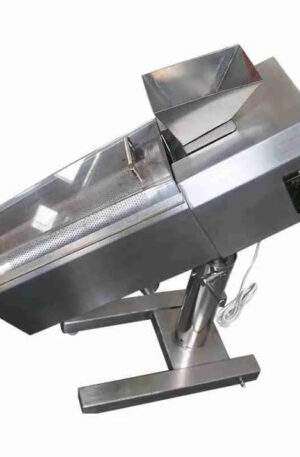
On the other hand, capsule filling machines are essential for the efficient and precise filling of capsules with powdered, granular, or liquid medications. These machines streamline the capsule filling process, ensuring accurate dosing and uniform capsule packing. With the advancements in technology, capsule filling machines have evolved to accommodate different capsule sizes, filling speeds, and dosing accuracies. One notable type of capsule filling machine is the THDP (Tamping Pin Capsule Filling Machine), which utilizes tamping pins to compact and fill the capsules with precision.

The integration of table press machines and capsule filling machines in pharmaceutical manufacturing has significantly improved production efficiency and product quality. These machines enable pharmaceutical companies to meet the growing demand for medications while maintaining stringent quality standards. Additionally, the automation and mechanization of these processes reduce the risk of human error and contamination, ultimately enhancing the safety and reliability of drug manufacturing.

In conclusion, pharmaceutical machinery, particularly table press machines and capsule filling machines, plays a crucial role in modern drug manufacturing. These advanced technological solutions have redefined the way medications are produced, ensuring consistency, accuracy, and safety throughout the manufacturing process. As the industry continues to evolve, the innovation and optimization of pharmaceutical machinery will remain key drivers in advancing pharmaceutical manufacturing practices.
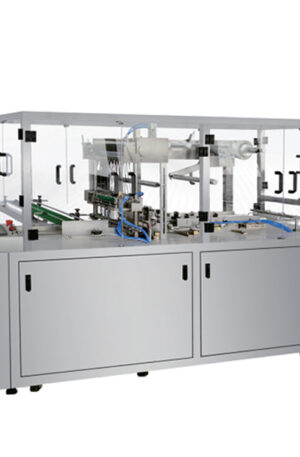
“The Role of Pharmaceutical Machinery in Drug Manufacturing”

Title: The Role of Pharmaceutical Machinery in Drug Manufacturing

Pharmaceutical machinery plays a crucial role in the drug manufacturing process, ensuring the efficient production of high-quality medications. Two key pieces of equipment widely used in pharmaceutical manufacturing are the table press machine and the capsule filling machine. These machines, such as the TDP and THDP models, are essential for the compression of powders into tablets and the filling of capsules with precise dosages.

The table press machine, including the TDP model, is a staple in pharmaceutical manufacturing facilities. This machine is responsible for compressing powdered ingredients into solid tablets of uniform size and shape. The TDP machine utilizes various tooling sets to produce tablets of different shapes and sizes according to the specific requirements of the medication being manufactured. By exerting controlled pressure on the powders, the table press machine ensures the tablets are compacted effectively, facilitating easy swallowing and accurate dosing for patients.

In addition to table press machines, capsule filling machines like the THDP model are essential for the encapsulation of pharmaceutical formulations. These machines automate the process of filling empty capsule shells with precise amounts of powdered or granulated medications. The THDP capsule filling machine ensures uniform dosing and eliminates the risk of human error in the filling process. By accurately measuring and filling capsules, this machinery allows pharmaceutical companies to produce consistent and reliable products for consumers.

The TDP and THDP machines are equipped with modern technology and advanced features to enhance efficiency and productivity in drug manufacturing. These machines are designed to meet stringent industry standards for quality and compliance with regulatory requirements. By integrating automation and precision engineering, pharmaceutical machinery manufacturers have revolutionized the drug manufacturing process, enabling pharmaceutical companies to meet the growing demand for safe and effective medications.

Furthermore, the use of pharmaceutical machinery such as table press and capsule filling machines not only improves the production process but also enhances the overall quality and safety of medications. These machines reduce the risk of cross-contamination, ensure accurate dosing, and enhance product consistency. Pharmaceutical companies rely on advanced machinery to streamline operations, increase production capacity, and maintain high standards of quality control in drug manufacturing.

In conclusion, pharmaceutical machinery, including table press machines like the TDP model and capsule filling machines like the THDP model, play a vital role in drug manufacturing. These machines enable pharmaceutical companies to produce high-quality medications efficiently and accurately. By investing in advanced pharmaceutical machinery, companies can ensure the safety, efficacy, and reliability of the medications they provide to patients worldwide.