 In the dynamic world of pharmaceutical manufacturing, the advancements in pharmaceutical machinery have played a pivotal role in revolutionizing the way medications are produced. Two key players in this transformation are the table press machine and the capsule filling machine. These machines, such as the TDP (Tablet Press) and THDP (Tablet Hardness Testing Instrument), have significantly improved efficiency and accuracy in the pharmaceutical production process.
The table press machine, also known as a tablet press, is a fundamental piece of equipment in pharmaceutical manufacturing. This machine is used to compress granular powder into tablets of uniform size and shape. Through the mechanical or hydraulic pressure applied by the machine, the formulation is compacted into a solid form that is easier to handle, package, and consume. The precise control and adjustable settings of the table press machine allow for the production of tablets with consistent weight and thickness, meeting the strict quality standards required in the pharmaceutical industry.
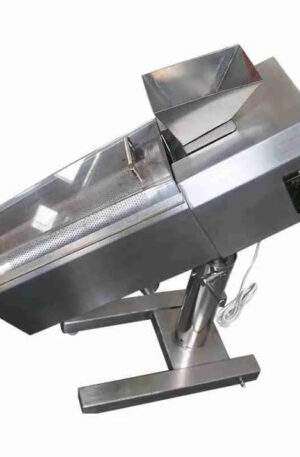
On the other hand, the capsule filling machine automates the process of filling empty capsules with powdered or granular medication. By accurately dispensing the desired amount of the active ingredient into the capsules, this machine ensures dosage uniformity and eliminates the risks of human error. The advanced features of modern capsule filling machines, such as high-speed operation, adjustable dosage control, and minimal wastage, have made them essential tools in pharmaceutical manufacturing facilities.
The TDP (Tablet Press) and THDP (Tablet Hardness Testing Instrument) are examples of innovative pharmaceutical machinery that have further enhanced the quality and efficiency of tablet production. The TDP is a versatile machine that can produce various types of tablets, including round, oval, and shaped tablets, with consistent hardness and weight. Its user-friendly interface and automation capabilities make it an indispensable asset in pharmaceutical companies. Meanwhile, the THDP is used to measure the hardness of tablets, ensuring that they meet the required standards for dissolution and absorption in the human body.
In conclusion, the advancements in pharmaceutical machinery, including the table press machine, capsule filling machine, TDP, and THDP, have transformed the landscape of pharmaceutical manufacturing. These machines have not only improved the quality, accuracy, and efficiency of drug production but have also paved the way for the development of innovative medications. As technology continues to evolve, the role of pharmaceutical machinery in driving progress in the healthcare industry will only increase, shaping the future of medicine for generations to come.
 Title: Revolutionizing Pharmaceutical Production: The Role of Pharmaceutical Machinery