Title: The Role of Pharmaceutical Machinery in Modern Medicinal Production Industry Introduction: Pharmaceutical machinery plays a crucial role in the modern medicinal production industry by facilitating the manufacturing processes of various pharmaceutical products. From tablet compression machines to coating equipment, these machines are essential for producing high-quality medications efficiently and safely. Body: 1. Types of Pharmaceutical Machinery: – Tablet Press Machines: These machines are used to compress powdered ingredients into tablets of specific shapes and sizes. – Mixing Equipment: Used for blending different pharmaceutical ingredients to create homogenous mixtures. – Coating Machines: Essential for applying coatings to tablets for taste masking or delayed release purposes. – Liquid Filling Machines: Used to fill liquid medications into bottles or vials with precision. – Packaging Machinery: Includes labeling machines, blister packaging equipment, and carton sealing machines for the final packaging of pharmaceutical products. 2. Importance of Pharmaceutical Machinery: – Efficiency: These machines automate various production processes, increasing efficiency and reducing manual labor. – Quality Assurance: Pharmaceutical machinery helps maintain consistency in product quality and adherence to regulatory standards. – Safety: Automated machinery reduces the risk of human error in the manufacturing process, ensuring the safety of pharmaceutical products. – Cost-Effectiveness: Investing in pharmaceutical machinery can lead to long-term cost savings by streamlining production processes and reducing waste. 3. Technological Advancements in Pharmaceutical Machinery: – Industry 4.0 Integration: Pharmaceutical machinery is now incorporating technological advancements such as IoT and data analytics to optimize production processes. – Robotics and Automation: Robotics are increasingly being used in pharmaceutical manufacturing for tasks such as material handling and packaging. – Modular Machinery Design: Modular machines offer flexibility in production processes and quicker changeovers between different products. – Cleanroom Equipment: Specialized machinery designed for sterile environments to ensure the production of contamination-free pharmaceutical products. Conclusion: In conclusion, pharmaceutical machinery is indispensable in the modern medicinal production industry, providing efficiency, quality assurance, safety, and cost-effectiveness. Technological advancements continue to drive innovation in pharmaceutical machinery, improving manufacturing processes and ensuring the production of high-quality medications.

Title: The Role of Pharmaceutical Machinery in Modern Medicinal Production Industry

Pharmaceutical machinery has revolutionized the medicinal production industry, with advancements in technology and automation streamlining the manufacturing processes of various pharmaceutical products. Among the essential machines in this industry are tablet press machines, such as the TDP (Tablet Press Machine) and capsule filling machines like THDP (capsule filling machine). These machines play a crucial role in the efficient and safe production of high-quality medications.

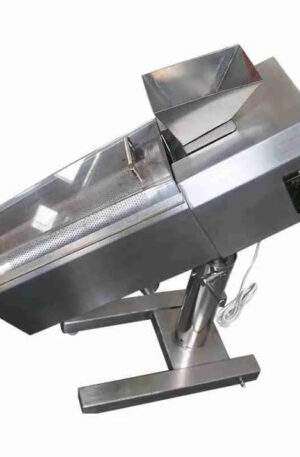
Tablet press machines, including the TDP series, are instrumental in compressing powdered ingredients into tablets of precise shapes and sizes. With the ability to control parameters such as compression force and dwell time, TDP machines ensure the uniformity and consistency of tablet production. The automation of the tablet pressing process not only increases efficiency but also minimizes the risk of human error, leading to safer pharmaceutical products.

On the other hand, capsule filling machines like the THDP series are designed for accurately filling capsules with pharmaceutical formulations. These machines enable the precise dosing of active ingredients, excipients, and fillers into capsules, ensuring consistency in dosage across different batches. The automation of the capsule filling process not only enhances speed and accuracy but also maintains product quality and adherence to regulatory standards.

The importance of pharmaceutical machinery, including tablet press machines and capsule filling machines, extends beyond efficiency to encompass quality assurance and safety in medicinal production. By integrating advanced technologies and automation, manufacturers can optimize production processes, reduce costs, and enhance the overall quality of pharmaceutical products.

Technological advancements in pharmaceutical machinery, such as the integration of Industry 4.0 principles and robotics, have further transformed the industry. Industry 4.0 technologies enable real-time monitoring of production processes, predictive maintenance of machines, and data-driven decision-making. Robotics in pharmaceutical manufacturing streamline tasks like material handling, packaging, and labeling, increasing efficiency and decreasing production time.

In conclusion, pharmaceutical machinery, including tablet press machines like the TDP series and capsule filling machines like the THDP series, plays a critical role in the modern medicinal production industry. These machines not only ensure efficiency and cost-effectiveness but also uphold quality standards and safety measures in pharmaceutical manufacturing. With ongoing technological advancements, the future of pharmaceutical machinery looks promising, offering innovative solutions to meet the evolving demands of the industry.

Title: “Revolutionizing Pharmaceutical Manufacturing: The Impact of Pharmaceutical Machinery” 文章内容概要: 1. Introduction: Introduce the importance of pharmaceutical machinery in the pharmaceutical manufacturing industry. 2. Evolution of Pharmaceutical Machinery: Discuss the historical development and advancements in pharmaceutical machinery. 3. Key Functions of Pharmaceutical Machinery: Explain the various functions of pharmaceutical machinery in the manufacturing process. 4. Impact on Quality and Efficiency: Explore how pharmaceutical machinery has improved the quality and efficiency of pharmaceutical production. 5. Technological Innovations: Highlight the latest technological innovations in pharmaceutical machinery and their benefits. 6. Regulatory Compliance: Discuss the importance of regulatory compliance in the use of pharmaceutical machinery. 7. Future Trends: Provide insights into the future trends and potential advancements in pharmaceutical machinery. 8. Conclusion: Summarize the significance of pharmaceutical machinery in shaping the pharmaceutical manufacturing industry.

Title: “Revolutionizing Pharmaceutical Manufacturing: The Impact of Pharmaceutical Machinery”

Pharmaceutical manufacturing has undergone a significant transformation over the years, thanks to the advancements in pharmaceutical machinery. The introduction of sophisticated equipment such as table press machines, capsule filling machines, TDP (Tablet Deduster Machine), and THDP (Tablet Hardness Tester) has revolutionized the way pharmaceutical products are produced.

The evolution of pharmaceutical machinery can be traced back to the early days of pharmaceutical manufacturing when manual labor was predominantly used in the production process. With the introduction of automated machinery, pharmaceutical companies witnessed a significant improvement in efficiency and quality control. Table press machines, for example, have become a staple in tablet manufacturing, allowing for precise and consistent tablet compression.

Capsule filling machines have also played a crucial role in streamlining the production of capsules. These machines are capable of accurately measuring and filling pharmaceutical powders or granules into empty capsules, ensuring uniform dosages across all capsules. The automation and precision provided by capsule filling machines have greatly enhanced the quality and efficiency of capsule production.

The advent of advanced machinery such as TDP and THDP has further elevated pharmaceutical manufacturing standards. TDP machines are used for dedusting tablets, removing excess dust and debris from the surface of the tablets to improve their appearance and quality. On the other hand, THDP machines are utilized to test the hardness of tablets, ensuring that they meet the required specifications for easy ingestion and optimal effectiveness.

The impact of pharmaceutical machinery on quality and efficiency cannot be overstated. These machines have not only standardized the production process but also minimized the margin of error, resulting in high-quality pharmaceutical products that meet regulatory standards. The integration of technology and automation in pharmaceutical machinery has led to increased productivity and cost-effectiveness for pharmaceutical manufacturers.

Technological innovations in pharmaceutical machinery continue to drive the industry forward. Advancements in materials, design, and software have enabled the development of more sophisticated and versatile machinery that can cater to a wide range of pharmaceutical manufacturing needs. From intelligent control systems to real-time monitoring capabilities, modern pharmaceutical machinery is equipped with cutting-edge features that enhance production efficiency and product quality.

Regulatory compliance is paramount in the pharmaceutical industry, and pharmaceutical machinery plays a critical role in ensuring adherence to quality standards and regulations. By utilizing compliant machinery and following good manufacturing practices, pharmaceutical companies can produce safe and effective products that meet the requirements of regulatory authorities.

Looking ahead, the future of pharmaceutical machinery promises even more innovative solutions and advancements. The integration of artificial intelligence, robotics, and data analytics is expected to further improve the efficiency, accuracy, and flexibility of pharmaceutical manufacturing processes. Industry experts anticipate a shift towards smart manufacturing systems that can adapt to dynamic production demands and optimize resource utilization.

In conclusion, pharmaceutical machinery has revolutionized the pharmaceutical manufacturing landscape by enhancing quality, efficiency, and compliance. The continuous advancements in machinery technology are driving the industry towards higher levels of precision, productivity, and innovation. As pharmaceutical companies embrace the latest machinery solutions, they are well-positioned to meet the evolving demands of the pharmaceutical market and deliver high-quality products to consumers worldwide.