Title: The Advancements in Pharmaceutical Machinery: Revolutionizing Drug Production

Title: The Advancements in Pharmaceutical Machinery: Revolutionizing Drug Production

In the realm of pharmaceutical manufacturing, the evolution of machinery has played a pivotal role in transforming the landscape of drug production. One of the key innovations that have significantly impacted the industry is the development of advanced table press machines and capsule filling machines.

Table press machines, such as those based on the Tablet Press Machine (TDP) and Tablet Press Machine for High-Density Products (THDP) technologies, have revolutionized the way tablets are manufactured in the pharmaceutical industry. These machines are designed to efficiently compress powdered or granulated materials into tablets of various shapes and sizes with high precision and consistency. The TDP and THDP machines utilize sophisticated mechanical systems and controls to ensure uniform tablet weight, thickness, and hardness, thereby improving the quality and reliability of the final drug products.

On the other hand, capsule filling machines have also witnessed significant advancements in recent years. These machines are essential for filling empty capsules with powdered, granular, or liquid medication to produce finished dosage forms. Modern capsule filling machines are equipped with state-of-the-art features, including automatic filling systems, precision dosing mechanisms, and real-time monitoring capabilities, enabling pharmaceutical companies to streamline the capsule filling process and enhance productivity.

The evolution of pharmaceutical machinery, particularly table press and capsule filling machines, has brought about several benefits to the drug manufacturing sector. Firstly, these advanced machines have increased production efficiency and output, allowing pharmaceutical companies to meet the growing demand for medications on a larger scale. By automating and optimizing the tablet and capsule production processes, manufacturers can reduce operational costs and minimize human errors, leading to higher quality pharmaceutical products.

Furthermore, the advancements in pharmaceutical machinery have also contributed to improving drug formulation and delivery. The precise control and consistency offered by modern table press and capsule filling machines enable pharmaceutical manufacturers to develop innovative drug formulations that are more effective, stable, and tailored to specific patient needs. This, in turn, enhances the therapeutic outcomes and patient experience associated with the use of pharmaceutical products.

In conclusion, the advancements in pharmaceutical machinery, particularly in the development of table press machines and capsule filling machines using technologies such as TDP and THDP, have revolutionized drug production in the pharmaceutical industry. These advanced machines have not only enhanced production efficiency and quality but also facilitated the development of novel drug formulations for the benefit of patients worldwide. As technology continues to advance, the future of pharmaceutical machinery holds great promise for furthering innovation and improving healthcare outcomes.

“Revolutionizing Pharmaceutical Production: The Role of Pharmaceutical Machinery”

Title: Revolutionizing Pharmaceutical Production: The Role of Pharmaceutical Machinery

In the realm of pharmaceutical manufacturing, advancements in technology have transformed the way medicines are produced. One of the key drivers behind this revolution is the utilization of sophisticated pharmaceutical machinery, such as table press machines and capsule filling machines. These machines play a crucial role in streamlining production processes, ensuring product quality, and meeting the increasing demand for pharmaceuticals worldwide.

Table press machines, also known as tablet presses, are essential equipment in pharmaceutical production facilities. They are used to compress powdered ingredients into solid tablets of precise dimensions and weight. One of the commonly used table press machines is the TDP (Tablet Press Machine), which operates by exerting high pressure on the powder mixture to form tablets. These machines are equipped with advanced technologies to control parameters such as compression force, tablet thickness, and speed, ensuring uniformity in tablet quality.

In addition to table press machines, capsule filling machines are another indispensable tool in pharmaceutical manufacturing. These machines are designed to fill empty capsule shells with precise amounts of powdered or liquid medication. The THDP (Semi-Automatic Capsule Filling Machine) is a popular choice in the industry due to its versatility and efficiency. By automating the filling process, THDP machines can significantly increase production capacity while maintaining accuracy in dosage formulation.

The integration of advanced pharmaceutical machinery, such as table press and capsule filling machines, has revolutionized the pharmaceutical production process. These machines enhance efficiency, reduce labor costs, and minimize the risk of human errors in drug manufacturing. Furthermore, the use of TDP and THDP machines enables pharmaceutical companies to meet stringent regulatory requirements and produce high-quality medications that meet global standards.

In conclusion, pharmaceutical machinery, including table press machines and capsule filling machines, plays a pivotal role in revolutionizing pharmaceutical production. The adoption of advanced technologies in these machines has raised the bar for efficiency, precision, and quality in drug manufacturing. As the demand for pharmaceuticals continues to rise, investing in state-of-the-art machinery is essential for pharmaceutical companies to stay competitive and ensure the safety and efficacy of their products.

“The Evolution of Pharmaceutical Machinery: Innovations and Advancements in Drug Manufacturing”

Title: “The Evolution of Pharmaceutical Machinery: Innovations and Advancements in Drug Manufacturing”
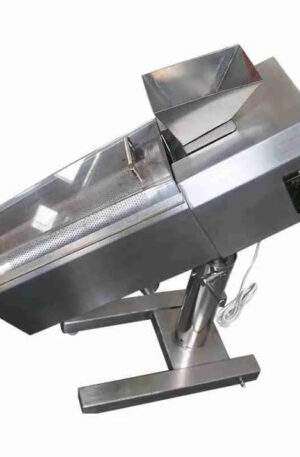
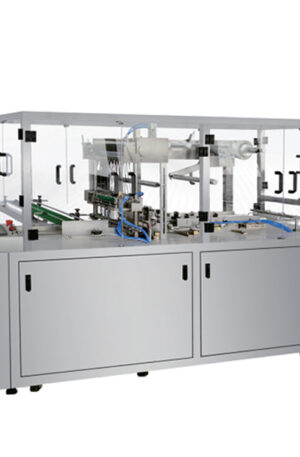
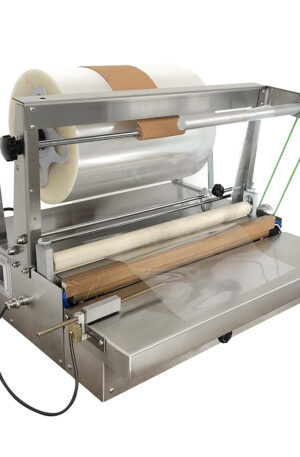
Pharmaceutical machinery has undergone significant transformations over the years, leading to advancements in drug manufacturing processes. Among the most crucial equipment are the table press machine and capsule filling machine, which play vital roles in the production of medications.

The table press machine, commonly known as TDP (Tablet Press), is a key component in pharmaceutical manufacturing. This machine is utilized to compress powdered materials into tablets of uniform size and weight. With precise control over parameters such as compression force and tablet thickness, table press machines ensure the consistency and quality of the produced tablets. Over time, advancements in technology have enabled the development of high-speed and automated table press machines, enhancing production efficiency and accuracy in drug manufacturing.

In addition to table press machines, capsule filling machines are essential in the pharmaceutical industry. These machines, including the popular THDP (Automatic Capsule Filling Machine), are designed to fill empty capsules with the desired medication. By accurately dispensing the drug formulation into capsules, these machines streamline the process of dosage form preparation. Modern capsule filling machines feature improved capabilities, such as high-speed filling rates and reduced error margins, meeting the escalating demands of pharmaceutical production.

The evolution of pharmaceutical machinery has led to numerous benefits for drug manufacturers. Advanced table press machines and capsule filling machines have significantly increased production capacities, allowing for large-scale manufacturing of tablets and capsules. Moreover, the precision and automation capabilities of these machines have enhanced product quality and consistency, ensuring that each tablet or capsule meets stringent pharmaceutical standards.

Furthermore, the integration of technologies like data monitoring and process control has revolutionized drug manufacturing. Modern pharmaceutical machinery often incorporates features such as real-time monitoring of production parameters and automatic adjustment of settings, optimizing efficiency and minimizing production errors. By leveraging these technological innovations, pharmaceutical companies can achieve higher levels of productivity and product quality in a cost-effective manner.

In conclusion, the evolution of pharmaceutical machinery, particularly table press machines and capsule filling machines, has paved the way for advancements in drug manufacturing. With continuous innovations and technological enhancements, the industry can expect further improvements in production efficiency, product quality, and overall pharmaceutical manufacturing processes. As drug manufacturers embrace these cutting-edge technologies, the future of pharmaceutical machinery looks promising, promising safer and more effective medications for global healthcare needs.