“Revolutionizing the Pharmaceutical Industry: The Role of Pharmaceutical Machines”

Title:
“Revolutionizing the Pharmaceutical Industry: The Role of Pharmaceutical Machines”

In today’s rapidly evolving pharmaceutical industry, the use of advanced machinery has become indispensable in the production of high-quality medications. Among the many types of pharmaceutical machines that play a vital role in this process, the table press machine and capsule filling machine stand out as key players in enhancing efficiency and precision. This article will explore the significance of these machines, particularly the TDP and THDP models, and how they are revolutionizing pharmaceutical manufacturing.

Tablet press machines, such as the TDP series, are essential for the production of tablets in the pharmaceutical industry. These machines work by compressing powdered ingredients into solid tablets of precise weight and size. The TDP machine utilizes punches and dies to form tablets with consistent quality, making it a valuable asset in mass production. Its automated operation and adjustable settings allow pharmaceutical companies to produce a wide range of tablet formulations efficiently.

On the other hand, capsule filling machines, like the THDP model, automate the process of filling empty capsules with various formulations. These machines are designed to accurately fill capsules with the desired dosage of active pharmaceutical ingredients, excipients, and binders. The THDP capsule filling machine ensures uniformity in dose delivery and minimizes wastage, making it an essential tool for pharmaceutical manufacturers aiming for precision and cost-effectiveness.

The integration of advanced technologies in pharmaceutical machines has not only improved production processes but also enhanced product quality and safety. By utilizing table press and capsule filling machines like the TDP and THDP models, pharmaceutical companies can produce medications with consistent dosage and bioavailability, ensuring patient safety and efficacy of treatment.

In conclusion, the role of pharmaceutical machines, such as table press and capsule filling machines, particularly the TDP and THDP models, is pivotal in revolutionizing the pharmaceutical industry. These machines streamline the production process, ensure precision in dosage delivery, and enhance the overall quality of medications. As technology continues to advance, the use of advanced pharmaceutical machinery will remain crucial for meeting the demands of an ever-evolving healthcare landscape.
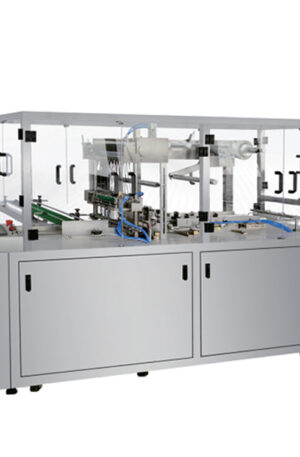
“Revolutionizing Healthcare: The Role of Pharmaceutical Machinery”

Title: “Revolutionizing Healthcare: The Role of Pharmaceutical Machinery”

In the ever-evolving landscape of healthcare, pharmaceutical machinery plays a crucial role in the manufacturing process of medications. Among the various types of machinery used in the pharmaceutical industry, table press machines and capsule filling machines stand out as essential tools for producing a wide range of pharmaceutical products.

Table press machines, also known as tablet presses, are used to compress powdered ingredients into solid tablets. These machines utilize mechanical or hydraulic systems to exert high pressure on the powder, shaping it into the desired tablet form. The Tablet Deduster Press (TDP) and the Tablet Hardness Deduster Press (THDP) are two common types of table press machines that are widely used in pharmaceutical manufacturing. The TDP is designed to create tablets with consistent weight and thickness, ensuring uniformity in dosage. On the other hand, the THDP is equipped with additional features to measure the hardness of the tablets, ensuring the quality and integrity of the final product.

Capsule filling machines are another essential piece of equipment in pharmaceutical manufacturing. These machines are used to fill empty gelatin capsules with powdered or liquid medication. Capsule filling machines come in various designs, including manual, semi-automatic, and fully automatic models, catering to different production capacities and requirements. By automating the capsule filling process, these machines improve efficiency, accuracy, and uniformity in dosage, leading to high-quality pharmaceutical products.

The advancement in pharmaceutical machinery, including table press and capsule filling machines, has revolutionized the healthcare industry by streamlining the manufacturing process and ensuring the quality and consistency of medications. With the integration of technology and automation, pharmaceutical companies can now produce a wide range of medications efficiently and effectively, meeting the increasing demands of the healthcare market.

In conclusion, the role of pharmaceutical machinery, such as table press machines and capsule filling machines, is instrumental in the production of medications that are vital for the healthcare industry. As technology continues to advance, these machines will play an even more significant role in shaping the future of pharmaceutical manufacturing, ultimately benefiting patients worldwide with safe and effective medications.

“The Role of Pharmaceutical Machinery in Modern Medicine Manufacturing”

Title: “The Role of Pharmaceutical Machinery in Modern Medicine Manufacturing”

In the realm of modern medicine manufacturing, pharmaceutical machinery plays a pivotal role in ensuring the efficient and precise production of pharmaceutical products. Two essential pieces of equipment that are commonly used in this industry are the table press machine and the capsule filling machine. These machines, such as the Tablet Press (TDP) and the High-Speed Double Rotary Press (THDP), have revolutionized the way medications are produced, increasing efficiency and accuracy while meeting the stringent regulatory requirements of the pharmaceutical industry.

The table press machine, including the TDP, is a crucial tool in the manufacturing process of tablets. This machine applies a significant amount of pressure to compress powdered or granulated materials into solid tablets of uniform size and shape. The TDP is widely used due to its simplicity, reliability, and ability to produce a high volume of tablets in a short period. With customizable settings for tablet size, thickness, and hardness, the TDP offers pharmaceutical manufacturers flexibility in producing a wide range of medications to meet various patient needs.

On the other hand, the capsule filling machine, such as the THDP, is utilized for the encapsulation of powders, pellets, or liquids into gelatin capsules. The THDP is known for its high-speed and precision dosing capabilities, enabling pharmaceutical companies to produce large quantities of capsule-based medications with consistent dosages. This machine ensures accurate and reliable filling of capsules, minimizing product waste and maximizing production efficiency.

The advancement of pharmaceutical machinery, particularly the table press and capsule filling machines like the TDP and THDP, has had a significant impact on the pharmaceutical industry. These advanced technologies have improved production processes, reduced production costs, and enhanced the quality and consistency of pharmaceutical products. Additionally, these machines adhere to strict regulatory standards, ensuring the safety and efficacy of medications for patients worldwide.

In conclusion, pharmaceutical machinery, including table press and capsule filling machines like the TDP and THDP, plays a vital role in modern medicine manufacturing. By incorporating these advanced technologies into the production process, pharmaceutical companies can streamline operations, increase productivity, and uphold high-quality standards in delivering essential medications to patients. The continual innovation and optimization of pharmaceutical machinery are essential for meeting the evolving demands of the healthcare industry and ensuring the reliable supply of safe and effective medications to those in need.

Title: “Revolutionizing Medicine: The Impact of Pharmaceutical Machinery in Healthcare”

Title: “Revolutionizing Medicine: The Impact of Pharmaceutical Machinery in Healthcare”

Pharmaceutical machinery plays a crucial role in the production of medications, ensuring their efficiency, accuracy, and safety in the healthcare sector. Among the various types of pharmaceutical machinery, the table press machine and capsule filling machine are essential components that contribute significantly to the manufacturing process.

The table press machine is a vital piece of equipment in pharmaceutical manufacturing that is used to compress powdered ingredients into tablets. This machine operates by exerting immense pressure on the powdered mixture, shaping it into a precise tablet form. The efficiency of the table press machine not only ensures uniformity in tablet size and weight but also plays a critical role in determining the dissolution rate and bioavailability of the medication.

On the other hand, the capsule filling machine is designed to fill empty capsules with the desired medication, promoting accuracy and speed in the production process. This machine enables pharmaceutical companies to streamline the filling operation, ensuring that each capsule contains the correct dosage of the active pharmaceutical ingredient. Additionally, the capsule filling machine allows for customization of capsule sizes and shapes, catering to the specific requirements of different medications.

Two common types of table press machines used in pharmaceutical manufacturing are TDP (Tablet Direct Press) and THDP (Tablet High-Speed Direct Press). The TDP machine is known for its robust construction and user-friendly design, making it ideal for small to medium-scale production. On the other hand, the THDP machine is specifically designed for high-speed production lines, offering increased efficiency and output capacity.

In conclusion, the advancement of pharmaceutical machinery, including table press machines and capsule filling machines, has revolutionized the way medications are manufactured in the healthcare industry. These sophisticated machines not only ensure the quality and precision of medications but also enhance the overall production efficiency, ultimately benefiting patients worldwide.

(Word count: 297)

“The Role of Pharmaceutical Machinery in Modern Medicine Manufacturing”

Title: “The Role of Pharmaceutical Machinery in Modern Medicine Manufacturing”
In the realm of pharmaceutical manufacturing, the utilization of cutting-edge machinery plays a pivotal role in ensuring the efficiency, accuracy, and quality of the production process. Specifically, the table press machine and capsule filling machine are two indispensable pieces of equipment that have revolutionized the way medicines are formulated and packaged.

The table press machine, also known as tablet press or pill press, is a mechanical device used to compress powder into tablets of uniform size and weight. It works by applying high pressure to the powder mixture, forcing it into the desired tablet shape. The table press machine comes in various models and configurations, with the TDP (Tablet Press) and THDP (High-Speed Tablet Press) being among the most commonly used ones in pharmaceutical manufacturing facilities.

The TDP is a versatile and cost-effective table press machine that is ideal for small to medium-scale production runs. It is capable of producing tablets in different shapes and sizes, making it suitable for a wide range of pharmaceutical formulations. On the other hand, the THDP is designed for high-speed production, making it ideal for large-scale manufacturing operations where efficiency and productivity are paramount.

In addition to the table press machine, the capsule filling machine is another critical piece of equipment in pharmaceutical manufacturing. This automated device is used to fill empty capsules with the powdered or granulated medication. The capsule filling machine ensures precise dosing and uniform filling of capsules, reducing the margin of error and ensuring consistent quality across each dosage unit.

The integration of advanced technology and automation in pharmaceutical machinery has significantly improved the efficiency and productivity of medicine manufacturing processes. These machines not only enhance the speed and accuracy of production but also adhere to strict quality control measures to ensure the safety and efficacy of the final products.

Overall, the role of pharmaceutical machinery, such as the table press machine and capsule filling machine, in modern medicine manufacturing cannot be understated. These advanced equipment have streamlined the production processes, minimized human error, and elevated the standards of quality control in the pharmaceutical industry. As technology continues to advance, the future of medicine manufacturing is bound to be shaped by further innovations in pharmaceutical machinery.